
Janmashtami 2026: Why Is Morpankh Associated With Lord Krishna? Know The Religious Significance

Lord Krishna is often portrayed with a flute in his hands and a peacock feather adorning his crown. While the flute is associated with divine music and devotion, the Krishna peacock feather is equally important in his traditional imagery.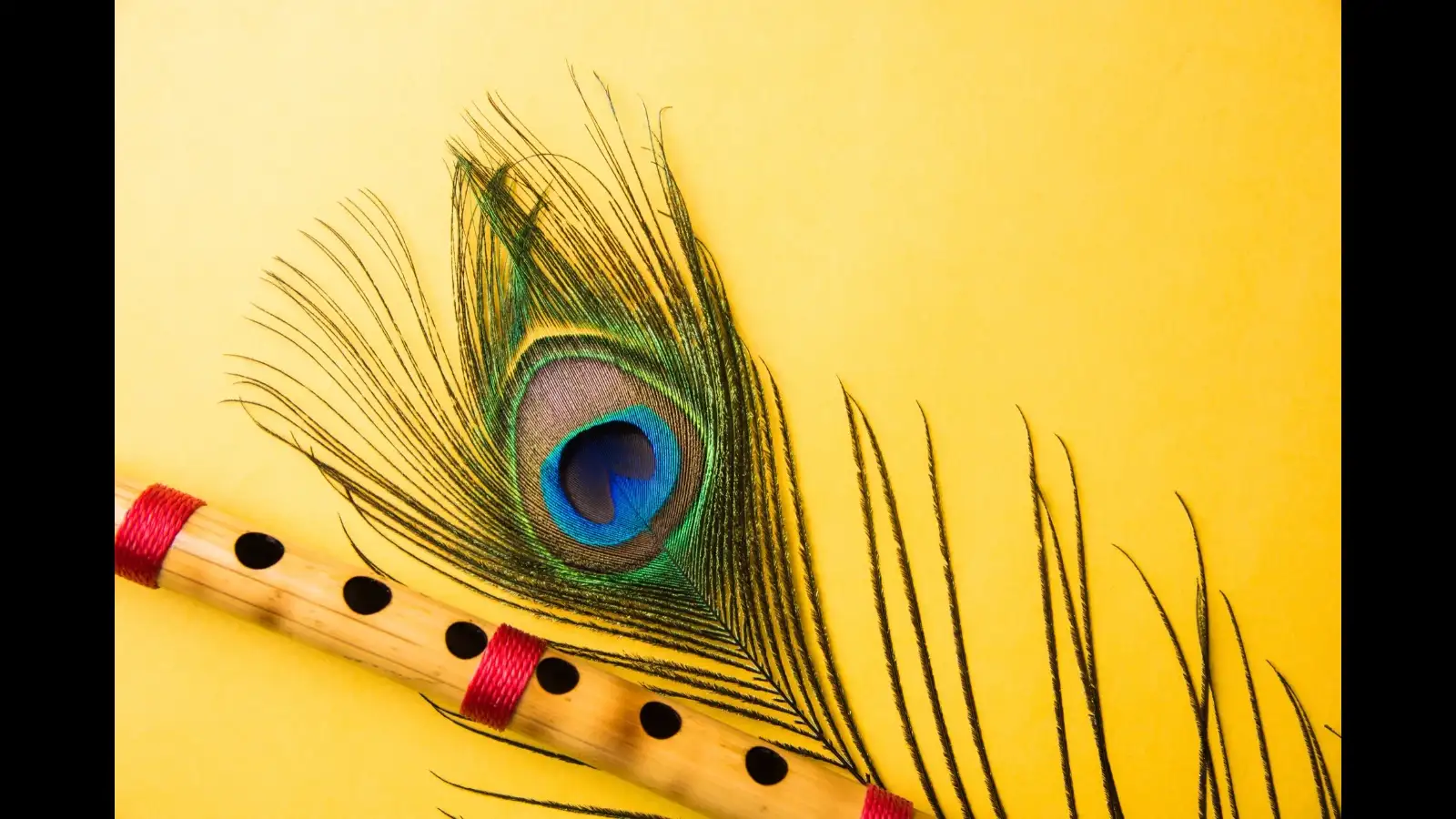
The colourful feather is more than a decorative element. In Hindu traditions, it is associated with several spiritual ideas, including purity, humility, devotion, harmony and the connection between the divine and nature.
The peacocks began dancing joyfully to Krishna's flute. Their celebration continued with great enthusiasm, creating a beautiful scene in Vrindavan. After the dance, the peacocks are believed to have offered their feathers to Krishna as a gesture of love and gratitude.
Krishna accepted the offering and placed a peacock feather in his crown. Since then, the morpankh in Krishna's crown has remained one of the most recognisable symbols associated with him.
In spiritual interpretations, Krishna wearing the feather is also connected with purity and control over the senses.
The Krishna peacock feather therefore serves as a reminder of this connection.
The morpankh is consequently seen by many devotees as a reminder to remain humble and spiritually grounded.
Ultimately, the morpankh significance goes beyond its beauty. For devotees, it represents humility, devotion, harmony with nature and the belief that divine presence can be found in everyday life.
The colourful feather is more than a decorative element. In Hindu traditions, it is associated with several spiritual ideas, including purity, humility, devotion, harmony and the connection between the divine and nature.
The Mythological Story Behind Krishna's Morpankh
According to a popular traditional story, Lord Krishna was once playing his flute in the forests of Vrindavan. As the enchanting melody spread through the surroundings, the peaceful atmosphere attracted a group of peacocks.The peacocks began dancing joyfully to Krishna's flute. Their celebration continued with great enthusiasm, creating a beautiful scene in Vrindavan. After the dance, the peacocks are believed to have offered their feathers to Krishna as a gesture of love and gratitude.
Krishna accepted the offering and placed a peacock feather in his crown. Since then, the morpankh in Krishna's crown has remained one of the most recognisable symbols associated with him.
What Does Krishna's Peacock Feather Symbolise?
1. Purity, Beauty And Harmony
The peacock feather is traditionally associated with beauty and harmony. Its vibrant colours are often seen as a representation of the richness and diversity of nature.In spiritual interpretations, Krishna wearing the feather is also connected with purity and control over the senses.
2. Connection With Nature
The story of Krishna and the peacocks highlights his close relationship with nature. From the forests of Vrindavan to its animals and landscapes, Krishna's stories frequently portray a harmonious relationship between the divine and the natural world.The Krishna peacock feather therefore serves as a reminder of this connection.
You may also like
- Peepal Tree Worship Guide: Best Days to Ward Off Saturn's Sade Sati, Pitru Dosh, and Please Ancestors
- Master Life and Career Challenges: 5 Timeless Chanakya Principles for Guaranteed Success
- Sun Enters Poorva Phalguni Nakshatra: Astrology Predictions and Simple Remedies for Libra to Pisces
- How to Perform Sankalp, Puja, and Parana When Observing Kajari Teej and Sankashti Chaturthi Together
- Buying a Wooden Swing for Janmashtami During Panchak: Is It Auspicious? Know the Scriptural Rules and Deities' Protocol
3. Symbol Of Devotion And Surrender
The feather is also viewed as a symbol of surrender and devotion. According to traditional beliefs, devotees can overcome negative qualities through faith, self-reflection and devotion to the divine.The morpankh is consequently seen by many devotees as a reminder to remain humble and spiritually grounded.
4. Association With Radha's Love
The peacock feather is also connected with the eternal bond between Krishna and Radha in popular devotional traditions. Some stories associate the feather with Radha's affection and Krishna's enduring love, adding another layer of emotional and spiritual meaning to this familiar symbol.5. Happiness And Good Fortune
The striking blue, green, gold and other shades found in a peacock feather are often associated with joy, positivity and auspiciousness. For devotees, its presence in Krishna's crown can therefore represent happiness, hope and divine blessings.Why Morpankh Remains Important During Janmashtami
During Janmashtami 2026 , devotees may decorate Krishna idols with traditional ornaments, including a peacock feather. Its presence helps recreate the familiar image of Krishna and represents several values associated with his teachings and stories.Ultimately, the morpankh significance goes beyond its beauty. For devotees, it represents humility, devotion, harmony with nature and the belief that divine presence can be found in everyday life.






Loving Newspoint? Download the app now
