
Janmashtami Puja at Home 2026: Step-by-Step Vidhi, Muhurat & Rituals

Janmashtami puja at home is a deeply devotional way to celebrate the birth of Lord Krishna, an incarnation of Lord Vishnu. In 2026, Krishna Janmashtami will be observed on Friday, September 4, with devotees fasting, decorating their homes, worshipping Bal Gopal and performing special rituals around midnight, when Lord Krishna is traditionally believed to have been born.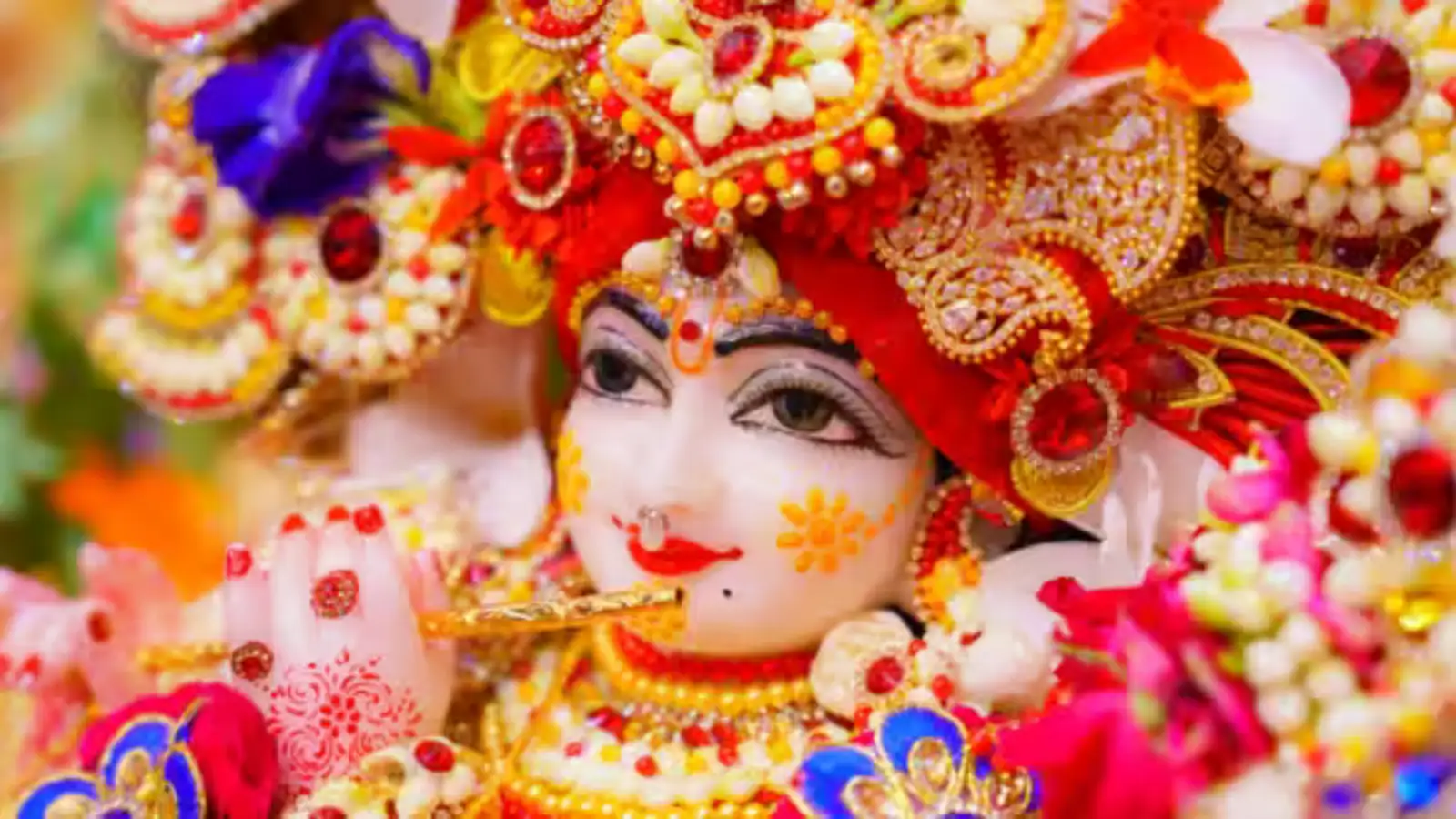
The festival is associated with devotion, joy and the celebration of Krishna's childhood. While many devotees visit temples, performing a simple and traditional Janmashtami puja at home allows families to participate in the festivities together.
Also Read: Janmashtami 2026 Fasting Rules: Who Should Avoid the Fast and What to Follow
For Janmashtami 2026, the commonly observed timings are:
For the September 4 observance, the Nishita Puja Muhurat is from 11:57 pm on September 4 to 12:43 am on September 5, giving devotees a puja window of around 46 minutes.
However, the precise Nishita Kaal varies according to geographical location. Therefore, devotees should check the local panchang before beginning the midnight puja.
Place the idol of Laddu Gopal or Bal Krishna on the platform. A small cradle can also be arranged as part of the celebration.
Prepare panchamrit using:
A small flute can also be placed with the idol, reflecting one of the most recognisable symbols associated with Lord Krishna.
Complete the festive setup with flowers, diyas and other decorations. If a cradle has been arranged, it can be used during the midnight celebration.
Cows have a special place in stories about Krishna's childhood in Gokul and Vrindavan, where he is traditionally described as a cowherd.
The food prepared for bhog should be kept clean and should not be tasted before it is offered to the deity.
“Om Namo Bhagavate Vasudevaya.”
Families can also sing Krishna bhajans, recite prayers or read selected passages from the Bhagavad Gita while waiting for the midnight puja.
Devotees can offer prayers for peace, happiness and the well-being of their families. Traditionally, devotees may also seek forgiveness for any mistakes made unintentionally during the puja.
Where appropriate and permitted, some families also offer food to a cow as part of the traditional practice.
Also Read: Janmashtami 2026: 3 Auspicious Items to Place Near Laddu Gopal for Krishna’s Blessings
Some devotees follow a nirjala fast, avoiding both food and water, while others have fruits, milk and foods permitted during a vrat. The form of fasting can differ depending on health, family customs and religious tradition.
Traditional Hindu texts, including the Brahma Vaivarta Purana and Bhavishya Purana, associate the Janmashtami vrat with spiritual merit. Devotees traditionally believe that observing the fast sincerely can help them seek forgiveness, cultivate devotion and pray for the happiness and prosperity of their families.
Some devotees break their fast after completing the midnight puja, while others continue until the following morning.
Those following a sunrise-based tradition may observe parana on September 5 after sunrise, subject to the prescribed conditions in their local panchang.
Because parana timings can vary by location and tradition, it is best to follow the local panchang or seek guidance from a knowledgeable priest.
Celebrating Janmashtami puja at home can be a meaningful family experience when the rituals are performed with sincerity and devotion. From bathing and decorating Laddu Gopal to offering bhog, chanting Krishna's name and performing the midnight aarti, each step reflects the joy associated with Krishna's birth.
Since festival dates and auspicious timings can vary according to location, panchang and religious tradition, devotees should verify the final timings for their city before planning the puja. The timings mentioned above are primarily based on New Delhi.
The festival is associated with devotion, joy and the celebration of Krishna's childhood. While many devotees visit temples, performing a simple and traditional Janmashtami puja at home allows families to participate in the festivities together.
Also Read: Janmashtami 2026 Fasting Rules: Who Should Avoid the Fast and What to Follow
Janmashtami 2026 Date and Auspicious Timings
According to Hindu tradition, Lord Krishna appeared at midnight on the Ashtami Tithi of Krishna Paksha. Rohini Nakshatra is also traditionally associated with his birth.For Janmashtami 2026, the commonly observed timings are:
- Ashtami Tithi begins: September 4 at 2:25 am
- Ashtami Tithi ends: September 5 at 12:13 am
- Rohini Nakshatra begins: September 4 at 12:29 am
- Rohini Nakshatra ends: September 4 at 11:04 pm
Janmashtami Puja Muhurat 2026
The Nishita Kaal, or midnight period, is considered particularly significant for Krishna Janmashtami worship because it corresponds to the traditional time of Krishna's birth.For the September 4 observance, the Nishita Puja Muhurat is from 11:57 pm on September 4 to 12:43 am on September 5, giving devotees a puja window of around 46 minutes.
However, the precise Nishita Kaal varies according to geographical location. Therefore, devotees should check the local panchang before beginning the midnight puja.
Janmashtami Puja Vidhi at Home: Step-by-Step
A home Janmashtami celebration does not need to be elaborate. The main focus is on cleanliness, devotion and following the rituals according to one's family tradition.1. Clean the House and Prepare the Puja Area
Begin by cleaning the house and choosing a suitable place for the puja. Clean a small platform and decorate it with flowers, lamps, rangoli or other festive items.Place the idol of Laddu Gopal or Bal Krishna on the platform. A small cradle can also be arranged as part of the celebration.
2. Perform Laddu Gopal Abhishek
The idol is traditionally given a ceremonial bath, known as abhishek.Prepare panchamrit using:
- Milk
- Curd
- Ghee
- Honey
- Sugar
3. Dress and Adorn Bal Krishna
After the abhishek, dress Laddu Gopal in clean or new clothes. Decorate the idol with a crown, jewellery, flowers and a garland.A small flute can also be placed with the idol, reflecting one of the most recognisable symbols associated with Lord Krishna.
4. Apply Tilak and Decorate the Shrine
Apply sandalwood and saffron paste as a tilak to the idol, following the family's customary practice.Complete the festive setup with flowers, diyas and other decorations. If a cradle has been arranged, it can be used during the midnight celebration.
5. Worship Krishna Along With the Cow
A small cow figurine may be placed near Krishna's idol and included in the worship.Cows have a special place in stories about Krishna's childhood in Gokul and Vrindavan, where he is traditionally described as a cowherd.
6. Prepare and Offer Krishna's Favourite Bhog
Food offerings are an important part of Janmashtami celebrations. Traditional bhog can include:- Makhan-mishri
- Laddoos
- Peda
- Kheer
- Panjiri
- Makhana paag
The food prepared for bhog should be kept clean and should not be tasted before it is offered to the deity.
7. Chant Krishna Mantras and Offer Prayers
During the puja, devotees can chant:“Om Namo Bhagavate Vasudevaya.”
Families can also sing Krishna bhajans, recite prayers or read selected passages from the Bhagavad Gita while waiting for the midnight puja.
8. Perform the Midnight Aarti
Once the midnight worship is completed, light a ghee diya and perform the aarti.Devotees can offer prayers for peace, happiness and the well-being of their families. Traditionally, devotees may also seek forgiveness for any mistakes made unintentionally during the puja.
9. Offer and Distribute Prasad
After the rituals, distribute the bhog as prasad among family members and other devotees.Where appropriate and permitted, some families also offer food to a cow as part of the traditional practice.
Also Read: Janmashtami 2026: 3 Auspicious Items to Place Near Laddu Gopal for Krishna’s Blessings
Why Do Devotees Observe the Janmashtami Fast?
Fasting is one of the central practices associated with Krishna Janmashtami. Devotees observe the vrat as an expression of faith, self-discipline and devotion.Some devotees follow a nirjala fast, avoiding both food and water, while others have fruits, milk and foods permitted during a vrat. The form of fasting can differ depending on health, family customs and religious tradition.
You may also like
- The Perils of Vengeance: The Mythological Tale of Maharishi Pippalada and Lord Shiva's Third Eye
- The Divine Legend of Garuda: How the Bringer of Heavenly Nectar Became Lord Vishnu's Eternal Vehicle
- Sri Krishna Janmashtami 2026 Fasting Rules: Who Should Avoid Fasting and Essential Guidelines to Follow
- Janmashtami 2026: Follow These 4 Powerful Steps to Invite Prosperity and Blessings Into Your Home
- Peepal Tree Worship Guide: Best Days to Ward Off Saturn's Sade Sati, Pitru Dosh, and Please Ancestors
Traditional Hindu texts, including the Brahma Vaivarta Purana and Bhavishya Purana, associate the Janmashtami vrat with spiritual merit. Devotees traditionally believe that observing the fast sincerely can help them seek forgiveness, cultivate devotion and pray for the happiness and prosperity of their families.
When Should You Break the Janmashtami Fast in 2026?
The end of the Janmashtami fast, known as parana, is not identical for everyone. The timing can depend on the devotee's tradition and the method of observing the vrat.Some devotees break their fast after completing the midnight puja, while others continue until the following morning.
Those following a sunrise-based tradition may observe parana on September 5 after sunrise, subject to the prescribed conditions in their local panchang.
Because parana timings can vary by location and tradition, it is best to follow the local panchang or seek guidance from a knowledgeable priest.
Janmashtami 2026: Important Things to Keep in Mind
Before planning your home puja, remember these points:- Check the local panchang for exact tithi and puja timings.
- Keep the puja area and ingredients clean.
- Prepare bhog without tasting it beforehand.
- Follow your family's established rituals where applicable.
- Choose a fasting method that is appropriate for you.
- Keep the midnight puja within the prescribed Nishita Kaal where possible.
Celebrating Janmashtami puja at home can be a meaningful family experience when the rituals are performed with sincerity and devotion. From bathing and decorating Laddu Gopal to offering bhog, chanting Krishna's name and performing the midnight aarti, each step reflects the joy associated with Krishna's birth.
Since festival dates and auspicious timings can vary according to location, panchang and religious tradition, devotees should verify the final timings for their city before planning the puja. The timings mentioned above are primarily based on New Delhi.






Loving Newspoint? Download the app now
