
Karwa Chauth 2026 Date, Puja Muhurat, Moonrise Time, Rituals and Vrat Katha

Karwa Chauth 2026 will be celebrated on Thursday, October 29, when married women across India observe a day-long fast and pray for their husbands’ long life, good health and happiness. The festival is marked by traditional puja rituals, the recitation of the Karwa Chauth vrat katha and the much-awaited sighting of the moon. From the date and puja muhurat to fasting rules, traditional customs and heartfelt wishes, here is everything you need to know about Karwa Chauth 2026.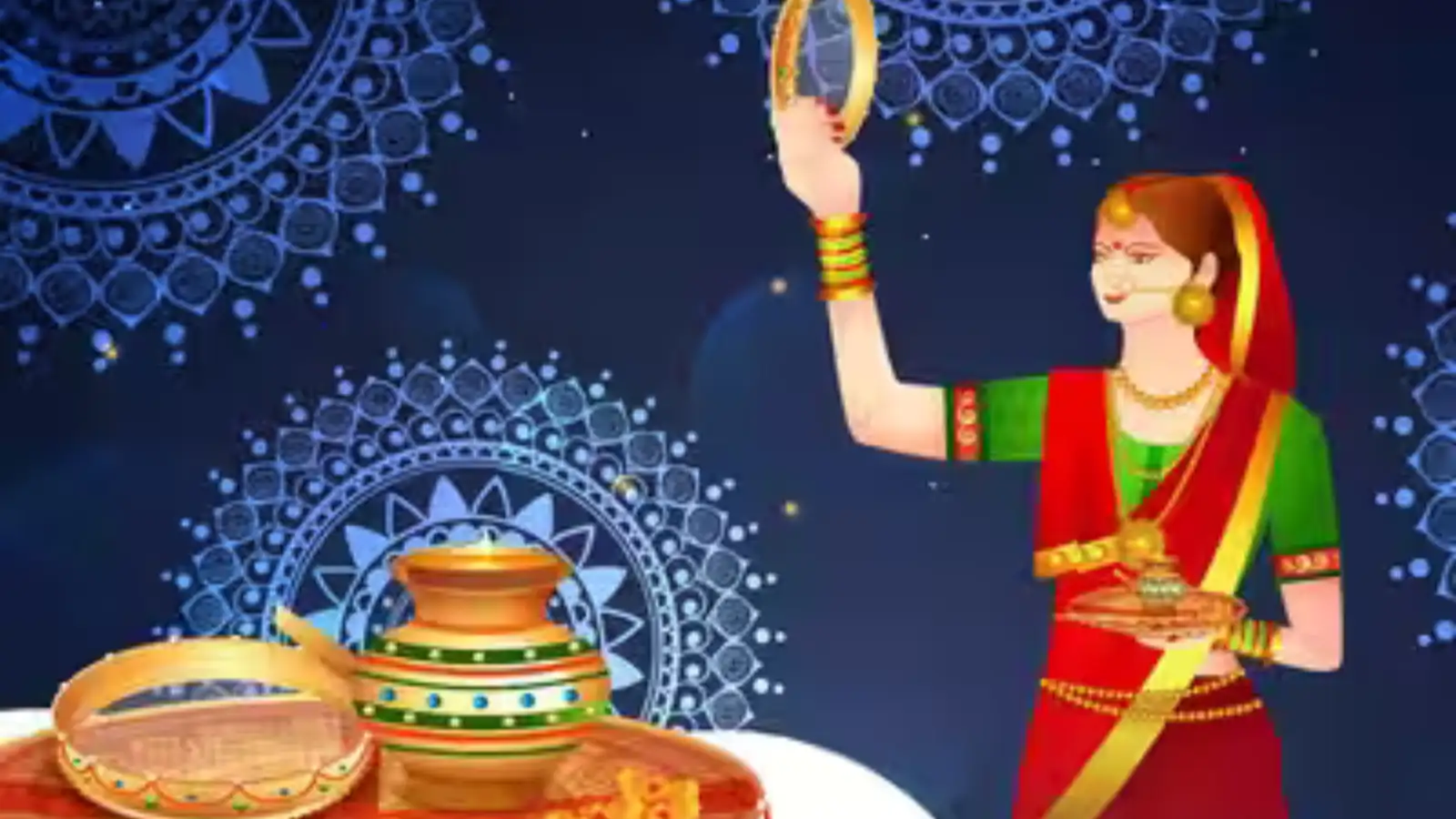
In 2026, Karwa Chauth falls on October 29. Women traditionally begin their fast before sunrise and break it after sighting the moon and offering prayers.
Here are the important timings for Karwa Chauth 2026:
The festival also celebrates the emotional connection between married couples and the importance of love, trust and commitment in a relationship. In many households, family members come together for the evening puja, exchange traditional items and listen to the vrat katha.
Over time, Karwa Chauth has also become popular through Indian cinema and television, which frequently portray the festival's customs, moon-sighting rituals and celebrations among couples.
One popular account connects the festival with the Mahabharata. According to this belief, Lord Krishna advised Draupadi to observe a fast for the safety and well-being of Arjuna when he went into battle. The story is often cited to illustrate the spiritual significance of prayer and devotion during difficult times.
Another well-known story is the vrat katha of Veerawati, which explains the traditional importance of completing the fast and offering prayers to the moon before breaking it.
Although versions of these stories may differ across regions and families, they remain an important part of the festival's religious and cultural traditions.
After eating sargi, devotees observing the traditional nirjala fast refrain from food and water until the fast is completed after moonrise.
Arrange the required puja items neatly so everything is ready before the auspicious time.
Some traditional practices involve preparing an additional karwa associated with Goddess Parvati and exchanging the pots seven times. Devotees may also sprinkle water and rice during the puja as part of their customary prayers.
Offer prayers to Goddess Parvati and Lord Shiva, seeking blessings for marital happiness, peace and prosperity. Perform the rituals calmly and sincerely, following the customs observed in your household.
The katha of Veerawati is particularly popular and explains why the moon-sighting ritual and the proper completion of the fast hold special importance in traditional beliefs.
Many women look at the moon through a sieve and then look at their husbands through the same sieve. Their husbands may then offer them water and sweets to help them break their fast.
This moon-sighting ritual is among the most recognisable customs associated with Karwa Chauth.
According to the popular legend, Veerawati was the only daughter of Ved Sharma and Leelavati. She had seven brothers and was deeply loved by her family. After her marriage to a Brahmin, she observed her first Karwa Chauth fast with great devotion.
As the day progressed, Veerawati became extremely weak because of hunger and thirst. Unable to watch their sister suffer, her brothers decided to help her. They created an illusion that made it appear as though the moon had risen and persuaded her to break her fast.
Veerawati began eating, believing that the fasting period had ended. However, she soon encountered troubling signs. In one version of the story, she found a hair in her food, sneezed and then received news from her in-laws that her husband had died.
Heartbroken, Veerawati wept and prayed for help. Goddess Indrani appeared and explained that she had broken her fast before offering arghya to the moon. The goddess advised her to observe the prescribed fasts with complete devotion.
Veerawati followed the instructions faithfully. According to the legend, her devotion eventually led to her husband's restoration to life.
The story is traditionally shared to emphasise patience, faith and the importance of observing Karwa Chauth rituals according to one's customs.
The name is commonly associated with two elements: karwa, referring to the earthen pot used for the water offering, and chauth, meaning the fourth day of the lunar fortnight. The ritual of offering arghya to the moon is a central part of the celebration.
Beyond its religious meaning, the festival is an occasion for families to come together, dress in traditional attire, decorate their homes and share festive meals after the fast. In many communities, women also exchange gifts, apply mehendi and gather for the evening puja.
While Karwa Chauth has traditionally been associated with married women, many modern couples choose to celebrate together, with both partners participating in the fast or other rituals. The festival's contemporary celebrations reflect a blend of long-standing customs and changing ideas about companionship and shared responsibility.
May this Karwa Chauth bring you and your partner endless love, happiness and togetherness. Wishing you a beautiful married life filled with precious memories.
May the moonlight brighten your life with joy, peace and affection. Happy Karwa Chauth 2026 to you and your loved one!
May your relationship grow stronger with every passing year, and may you always find happiness and support in each other. Happy Karwa Chauth!
Wishing you a blessed Karwa Chauth filled with love, laughter and countless reasons to smile. May your bond remain strong forever.
May Lord Shiva and Goddess Parvati bless you with harmony, prosperity and lasting happiness. Have a wonderful Karwa Chauth 2026!
On this special occasion, may your love shine as brightly as the moon and your life be filled with peace and understanding. Happy Karwa Chauth!
May this festival bring new hope, beautiful memories and greater closeness to your relationship. Wishing you both a lifetime of love and happiness.
Happy Karwa Chauth to a wonderful couple! May every year bring you more reasons to celebrate your love and cherish your journey together.
May your prayers be filled with faith and your home with happiness. Wishing you and your family a peaceful and joyful Karwa Chauth.
May the blessings of Goddess Parvati and Lord Shiva bring love, prosperity and marital bliss into your life. Happy Karwa Chauth 2026!
Karwa Chauth 2026 will be observed on Thursday, October 29, with the traditional fast, evening puja, vrat katha and moon-sighting rituals forming the heart of the celebration. Knowing the puja muhurat, preparing the required samagri and checking the local moonrise time can help devotees plan the day smoothly. Above all, Karwa Chauth is an occasion to celebrate faith, love, companionship and the bonds that bring families together.
Karwa Chauth 2026 Date and Puja Muhurat
Karwa Chauth is observed on the Chaturthi tithi, or the fourth day of the Krishna Paksha, during the Hindu lunar month of Kartik. The festival brings together faith, family traditions and the celebration of marital bonds.In 2026, Karwa Chauth falls on October 29. Women traditionally begin their fast before sunrise and break it after sighting the moon and offering prayers.
Here are the important timings for Karwa Chauth 2026:
- Date: Thursday, October 29, 2026
- Puja Muhurat: 5:38 pm to 6:56 pm
- Fasting Time: 6:31 am to 8:11 pm
- Expected Moonrise: Around 8:11 pm
Why Is Karwa Chauth Celebrated?
Karwa Chauth is a significant festival in Hindu tradition, particularly in northern and northwestern India. Married women observe a fast and worship Goddess Gauri, a form of Goddess Parvati, seeking blessings for their husbands' longevity, prosperity and well-being.The festival also celebrates the emotional connection between married couples and the importance of love, trust and commitment in a relationship. In many households, family members come together for the evening puja, exchange traditional items and listen to the vrat katha.
Over time, Karwa Chauth has also become popular through Indian cinema and television, which frequently portray the festival's customs, moon-sighting rituals and celebrations among couples.
Mythological Significance of Karwa Chauth
Karwa Chauth is associated with several stories that highlight devotion, faith and the importance of following traditional rituals.One popular account connects the festival with the Mahabharata. According to this belief, Lord Krishna advised Draupadi to observe a fast for the safety and well-being of Arjuna when he went into battle. The story is often cited to illustrate the spiritual significance of prayer and devotion during difficult times.
Another well-known story is the vrat katha of Veerawati, which explains the traditional importance of completing the fast and offering prayers to the moon before breaking it.
Although versions of these stories may differ across regions and families, they remain an important part of the festival's religious and cultural traditions.
Karwa Chauth 2026 Puja Vidhi: Step-by-Step Rituals
Karwa Chauth is observed through a series of traditional rituals, beginning with the pre-dawn meal and ending with prayers to the moon. Customs can vary by region and family, but the following steps are commonly associated with the celebration.1. Begin the Day With Sargi
Women traditionally wake up before sunrise and eat sargi, a pre-dawn meal that helps them prepare for the day's fast. It may include fruits, nuts, milk, curd, coconut and homemade food such as roti or paratha.After eating sargi, devotees observing the traditional nirjala fast refrain from food and water until the fast is completed after moonrise.
2. Prepare the Puja Area
In the afternoon, clean a small area near a wall and decorate it for the evening puja. Some families draw a swastika using turmeric and place a Karwa Chauth calendar or image depicting Lord Shiva, Goddess Parvati, Lord Ganesha and Lord Kartikeya.Arrange the required puja items neatly so everything is ready before the auspicious time.
3. Arrange the Puja Samagri
Traditional Karwa Chauth puja preparations may include the following items:- An earthen pot, or karwa, filled with water
- Roli and turmeric
- Raw rice grains
- A sacred thread
- A diya and puja thali
- Betel leaves and betel nut
- Mango leaves
- Wheat grains and sugar
- Images of the deities
- A glass or vessel of water for the rituals
4. Perform the Karwa Chauth Puja
Place the karwa at the designated spot and decorate it according to your family's customs. Apply roli, tie the sacred thread and arrange the other offerings before the images of the deities.Some traditional practices involve preparing an additional karwa associated with Goddess Parvati and exchanging the pots seven times. Devotees may also sprinkle water and rice during the puja as part of their customary prayers.
Offer prayers to Goddess Parvati and Lord Shiva, seeking blessings for marital happiness, peace and prosperity. Perform the rituals calmly and sincerely, following the customs observed in your household.
5. Listen to the Karwa Chauth Vrat Katha
The recitation of the Karwa Chauth vrat katha is an important part of the evening celebration. Family members often gather together to listen to the story and offer prayers.The katha of Veerawati is particularly popular and explains why the moon-sighting ritual and the proper completion of the fast hold special importance in traditional beliefs.
6. Offer Arghya to the Moon
Once the moon becomes visible, devotees offer arghya, a ritual water offering, and pray for their husbands' well-being. A diya is traditionally lit, and prayers or aarti may be performed while facing the moon.Many women look at the moon through a sieve and then look at their husbands through the same sieve. Their husbands may then offer them water and sweets to help them break their fast.
This moon-sighting ritual is among the most recognisable customs associated with Karwa Chauth.
Karwa Chauth Vrat Katha: The Story of Veerawati
The story of Veerawati is one of the most widely recited narratives associated with Karwa Chauth. It describes how devotion, patience and the completion of traditional rituals are connected with the festival.According to the popular legend, Veerawati was the only daughter of Ved Sharma and Leelavati. She had seven brothers and was deeply loved by her family. After her marriage to a Brahmin, she observed her first Karwa Chauth fast with great devotion.
As the day progressed, Veerawati became extremely weak because of hunger and thirst. Unable to watch their sister suffer, her brothers decided to help her. They created an illusion that made it appear as though the moon had risen and persuaded her to break her fast.
Veerawati began eating, believing that the fasting period had ended. However, she soon encountered troubling signs. In one version of the story, she found a hair in her food, sneezed and then received news from her in-laws that her husband had died.
Heartbroken, Veerawati wept and prayed for help. Goddess Indrani appeared and explained that she had broken her fast before offering arghya to the moon. The goddess advised her to observe the prescribed fasts with complete devotion.
Veerawati followed the instructions faithfully. According to the legend, her devotion eventually led to her husband's restoration to life.
The story is traditionally shared to emphasise patience, faith and the importance of observing Karwa Chauth rituals according to one's customs.
Karwa Chauth Fasting Rules to Follow
Women observing Karwa Chauth traditionally follow certain practices throughout the day. The specific rules may vary across communities and households.- Eat before sunrise: Have sargi before the fasting period begins.
- Follow the traditional fasting period: Those observing a strict nirjala vrat avoid food and water until the fast is completed.
- Break the fast after moonrise: Offer prayers and arghya to the moon before eating or drinking.
- Perform the puja with devotion: Follow your family's customs and the local panchang.
- Prepare everything in advance: Keep the puja thali, karwa and other offerings ready to avoid last-minute confusion.
Karwa Chauth Do's and Don'ts
Following a few simple practices can make the festival more comfortable and help families prepare for the rituals.Do's
- Choose nourishing foods for sargi, including fruits, nuts, curd and other foods that suit your dietary needs.
- Drink sufficient water before the fasting period begins if your tradition permits it.
- Keep the puja items ready well before the evening muhurat.
- Check the local moonrise time and puja timings.
- Approach the rituals with a calm mind and a positive attitude.
Don'ts
- Avoid excessively oily or very spicy foods during sargi if they cause discomfort or thirst.
- Do not leave the puja arrangements until the last minute.
- Avoid rushing through the rituals or overlooking customs important to your family.
- Do not ignore symptoms such as dizziness, fainting or severe weakness in an attempt to continue fasting.
Significance of Karwa Chauth: What Does the Festival Symbolise?
Karwa Chauth represents devotion, marital companionship and the hope for a happy and prosperous married life. Traditionally, women observe the fast to pray for their husbands' longevity, good health and well-being.The name is commonly associated with two elements: karwa, referring to the earthen pot used for the water offering, and chauth, meaning the fourth day of the lunar fortnight. The ritual of offering arghya to the moon is a central part of the celebration.
Beyond its religious meaning, the festival is an occasion for families to come together, dress in traditional attire, decorate their homes and share festive meals after the fast. In many communities, women also exchange gifts, apply mehendi and gather for the evening puja.
While Karwa Chauth has traditionally been associated with married women, many modern couples choose to celebrate together, with both partners participating in the fast or other rituals. The festival's contemporary celebrations reflect a blend of long-standing customs and changing ideas about companionship and shared responsibility.
Best Karwa Chauth 2026 Wishes to Share With Loved Ones
Karwa Chauth is also an opportunity to send warm wishes to friends, family members and couples celebrating the festival. Here are some heartfelt messages you can share.May this Karwa Chauth bring you and your partner endless love, happiness and togetherness. Wishing you a beautiful married life filled with precious memories.
May the moonlight brighten your life with joy, peace and affection. Happy Karwa Chauth 2026 to you and your loved one!
May your relationship grow stronger with every passing year, and may you always find happiness and support in each other. Happy Karwa Chauth!
Wishing you a blessed Karwa Chauth filled with love, laughter and countless reasons to smile. May your bond remain strong forever.
May Lord Shiva and Goddess Parvati bless you with harmony, prosperity and lasting happiness. Have a wonderful Karwa Chauth 2026!
On this special occasion, may your love shine as brightly as the moon and your life be filled with peace and understanding. Happy Karwa Chauth!
May this festival bring new hope, beautiful memories and greater closeness to your relationship. Wishing you both a lifetime of love and happiness.
Happy Karwa Chauth to a wonderful couple! May every year bring you more reasons to celebrate your love and cherish your journey together.
May your prayers be filled with faith and your home with happiness. Wishing you and your family a peaceful and joyful Karwa Chauth.
May the blessings of Goddess Parvati and Lord Shiva bring love, prosperity and marital bliss into your life. Happy Karwa Chauth 2026!
Karwa Chauth 2026 will be observed on Thursday, October 29, with the traditional fast, evening puja, vrat katha and moon-sighting rituals forming the heart of the celebration. Knowing the puja muhurat, preparing the required samagri and checking the local moonrise time can help devotees plan the day smoothly. Above all, Karwa Chauth is an occasion to celebrate faith, love, companionship and the bonds that bring families together.
Next Story