
Karwa Chauth 2026: Why Women Use a Sieve to View the Moon and What the Karwa Pot Signifies

Karwa Chauth 2026 will be observed on Thursday, October 29, with married women following traditional rituals and prayers for their husbands' well-being and longevity. One of the festival's most distinctive customs involves looking at the Moon through a sieve before looking at one's husband. The Karwa Chauth Moon ritual , along with the use of the traditional karwa pot, holds an important place in the evening's celebrations. From offering water to Chandra Dev to completing the fast, these practices carry religious, cultural and symbolic significance that has been passed down through generations.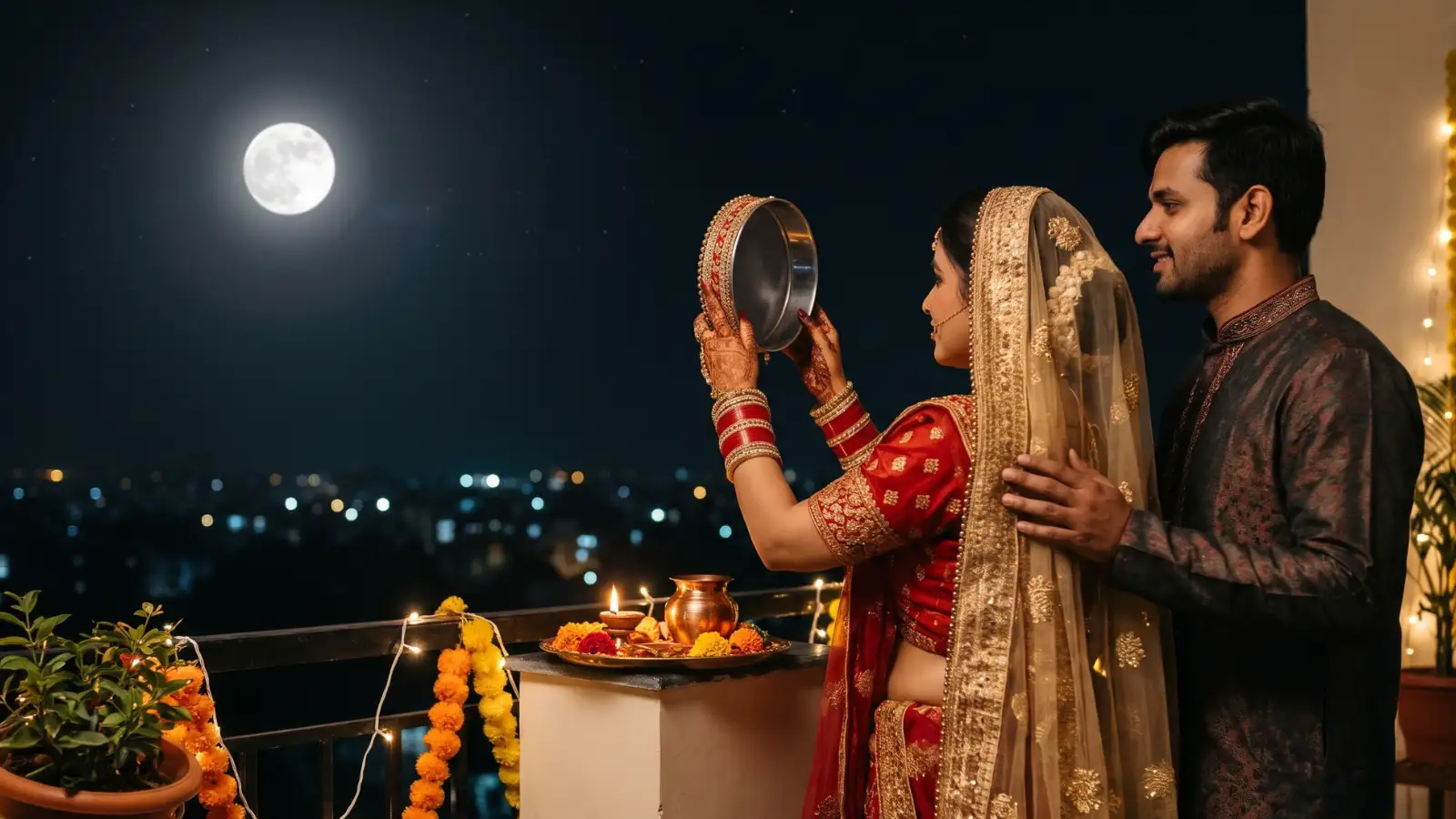
This ritual is traditionally associated with prayers for a husband's health, happiness and long life. It also marks an emotional moment for couples, as the sighting of the Moon signals the final stage of the day's fast.
For many families, the ritual represents devotion, affection and the continuation of marital traditions. Although the practice is widely followed in northern India, the exact sequence and accompanying customs may differ from one household to another.
Some people associate the sieve with focusing on devotion and positive intentions while setting aside everyday distractions. Others view the ritual as a reminder of the emotional bond between husband and wife.
However, these interpretations are not universal religious rules. The meaning attached to the sieve can vary according to family traditions, regional customs and personal beliefs.
According to one popular version, Veeravati was observing her first Karwa Chauth fast when she became weak after remaining without food and water throughout the day. Concerned about her condition, her brothers decided to make her believe that the Moon had risen by placing a light behind a tree or another object.
Mistaking the light for the real Moon, Veeravati ended her fast before the appropriate time. She later discovered the deception and experienced hardship, prompting further prayers and devotional observances.
Different versions of the story describe the events and their outcome differently. Nevertheless, the tale remains an important part of Karwa Chauth storytelling and is often used to emphasise the significance of waiting for the Moon before completing the fast.
The name Karwa Chauth is associated with the traditional pot and Chauth, which refers to the fourth lunar day. The festival is observed on Chaturthi during the Krishna Paksha, or waning phase of the Moon, in the Hindu month of Kartik, according to the commonly followed North Indian calendar.
The karwa is more than a decorative item. It forms part of the ritual arrangements and reflects the customs through which families mark the occasion.
Women may prepare the pot with decorative designs, colours, threads or other customary embellishments. In some traditions, the karwa is filled with water and placed alongside other puja essentials.
The material, decoration and manner in which the pot is used can vary across regions and households. Some families use traditional earthen pots, while others choose vessels made from different materials.
Clay pots are also associated in some popular interpretations with fertility, nourishment, the earth and the continuity of life. These meanings are symbolic explanations rather than beliefs shared uniformly across all Hindu traditions.
The karwa's significance ultimately comes from its established place in the festival's rituals and the customs followed by families over generations.
In some communities, women exchange or pass decorated karwas among themselves while listening to or reciting the Karwa Chauth Vrat Katha. Such gatherings allow families and friends to participate in the festival together.
The pot may also be used to hold or pour water during the rituals. However, some households use a separate lota or another vessel for the water offering to the Moon.
One of the key practices is offering arghya, a ritual offering of water, to the Moon. The offering is an expression of reverence towards Chandra Dev, the Moon deity in Hindu tradition.
For many women, this moment is associated with prayers for their husbands' longevity, good health and happiness, as well as the well-being of the family.
The wait for moonrise gives the festival its distinctive sequence of rituals. The day typically begins with early-morning preparations, followed by fasting, evening prayers and the final moon-sighting ceremony.
Once the Moon appears, women perform the customary rituals before breaking their fast. For many families, this is the most anticipated moment of the celebration.
The offering is commonly made using a karwa, lota or another suitable vessel, depending on the family's customs. Some rituals may also include flowers, rice and other traditional items.
The water offering forms an important part of the moon-sighting ceremony and is generally performed before the fast is broken. The precise method and sequence can differ according to regional and household practices.
In some families, a lit diya is held near the sieve during the ceremony. The husband may then offer his wife water and a small piece of food or a sweet, marking the end of her fast.
The moment is often celebrated as an expression of love, companionship and commitment. Couples may also exchange wishes or participate in other family customs associated with the occasion.
Although this practice is traditionally associated with wives fasting for their husbands, some couples choose to observe the fast together. Their rituals may reflect their shared beliefs and personal preferences.
In popular interpretations, the Moon is associated with calmness, renewal, continuity and peace. Its recurring phases also make it an important marker of time in traditional religious calendars.
During Karwa Chauth, these associations accompany prayers for the continued happiness and well-being of married couples. However, the symbolic meanings attributed to the Moon can vary, and no single interpretation applies to every family or tradition.
Karwa Chauth is observed through a combination of fasting, prayers and customs that have been preserved across generations. The sieve is central to the traditional moon-sighting ceremony, the karwa pot forms an important part of the puja, and the offering of arghya marks a significant moment in the evening worship.
While the details and interpretations of these practices may differ between households, their place in Karwa Chauth reflects the festival's enduring cultural importance. For many devotees, these rituals provide an opportunity to express faith, celebrate relationships and continue traditions that hold special meaning for their families.
Why Do Women Look at the Moon Through a Sieve on Karwa Chauth?
The sieve, commonly known as a chalni or channi, is an essential part of the traditional Karwa Chauth moon-sighting ceremony. After waiting for the Moon to appear, women look at it through the sieve and then turn towards their husbands to view them through the same object.This ritual is traditionally associated with prayers for a husband's health, happiness and long life. It also marks an emotional moment for couples, as the sighting of the Moon signals the final stage of the day's fast.
For many families, the ritual represents devotion, affection and the continuation of marital traditions. Although the practice is widely followed in northern India, the exact sequence and accompanying customs may differ from one household to another.
What Does the Sieve Symbolise?
The sieve has become one of the most recognisable symbols of Karwa Chauth. Beyond its practical use during the moon-sighting ceremony, it carries several symbolic interpretations in popular tradition.Some people associate the sieve with focusing on devotion and positive intentions while setting aside everyday distractions. Others view the ritual as a reminder of the emotional bond between husband and wife.
However, these interpretations are not universal religious rules. The meaning attached to the sieve can vary according to family traditions, regional customs and personal beliefs.
The Connection Between the Sieve and the Veeravati Story
The traditional story of Veeravati is often recounted during Karwa Chauth to explain the importance of observing the fast correctly and waiting for the actual Moon to rise.According to one popular version, Veeravati was observing her first Karwa Chauth fast when she became weak after remaining without food and water throughout the day. Concerned about her condition, her brothers decided to make her believe that the Moon had risen by placing a light behind a tree or another object.
Mistaking the light for the real Moon, Veeravati ended her fast before the appropriate time. She later discovered the deception and experienced hardship, prompting further prayers and devotional observances.
Different versions of the story describe the events and their outcome differently. Nevertheless, the tale remains an important part of Karwa Chauth storytelling and is often used to emphasise the significance of waiting for the Moon before completing the fast.
What Is the Significance of the Karwa Pot?
The karwa is a traditional pot, usually made of clay, that plays an important role in Karwa Chauth celebrations. It is commonly decorated and included in the evening puja, with water serving as one of its most important elements.The name Karwa Chauth is associated with the traditional pot and Chauth, which refers to the fourth lunar day. The festival is observed on Chaturthi during the Krishna Paksha, or waning phase of the Moon, in the Hindu month of Kartik, according to the commonly followed North Indian calendar.
The karwa is more than a decorative item. It forms part of the ritual arrangements and reflects the customs through which families mark the occasion.
Karwa Pot as a Symbol of Auspiciousness
The decorated karwa is traditionally associated with prosperity, family well-being and marital happiness. Its presence during the puja reflects the importance of water, offerings and sacred objects in Hindu worship.Women may prepare the pot with decorative designs, colours, threads or other customary embellishments. In some traditions, the karwa is filled with water and placed alongside other puja essentials.
The material, decoration and manner in which the pot is used can vary across regions and households. Some families use traditional earthen pots, while others choose vessels made from different materials.
Why Is the Karwa Traditionally Made of Clay?
Earthen pots have long been used in Indian households to store water and carry out everyday activities. Their traditional use in Karwa Chauth reflects the continued importance of these vessels in domestic and religious practices.Clay pots are also associated in some popular interpretations with fertility, nourishment, the earth and the continuity of life. These meanings are symbolic explanations rather than beliefs shared uniformly across all Hindu traditions.
The karwa's significance ultimately comes from its established place in the festival's rituals and the customs followed by families over generations.
How Is the Karwa Used During the Evening Puja?
The karwa is generally arranged with other items required for the evening worship. These may include a decorated puja thali, a diya, flowers, rice, roli and customary offerings.In some communities, women exchange or pass decorated karwas among themselves while listening to or reciting the Karwa Chauth Vrat Katha. Such gatherings allow families and friends to participate in the festival together.
The pot may also be used to hold or pour water during the rituals. However, some households use a separate lota or another vessel for the water offering to the Moon.
Karwa Chauth Moon Ritual: Why Do Women Offer Arghya?
The Moon is central to the concluding rituals of Karwa Chauth. After fasting throughout the day, devotees wait for moonrise before performing the customary prayers and completing the vrat according to their family traditions.One of the key practices is offering arghya, a ritual offering of water, to the Moon. The offering is an expression of reverence towards Chandra Dev, the Moon deity in Hindu tradition.
For many women, this moment is associated with prayers for their husbands' longevity, good health and happiness, as well as the well-being of the family.
The Moon Marks the Completion of the Fast
Many women observe Karwa Chauth by fasting from sunrise until the Moon is sighted. In the traditional nirjala vrat, devotees abstain from both food and water during the fast, although the form of observance differs between individuals and families.The wait for moonrise gives the festival its distinctive sequence of rituals. The day typically begins with early-morning preparations, followed by fasting, evening prayers and the final moon-sighting ceremony.
Once the Moon appears, women perform the customary rituals before breaking their fast. For many families, this is the most anticipated moment of the celebration.
What Is Arghya and Why Is It Offered to the Moon?
Arghya is a traditional water offering made during Hindu worship as a gesture of respect and devotion. During Karwa Chauth, devotees offer water to the Moon while praying for marital happiness, family prosperity and the well-being of their loved ones.The offering is commonly made using a karwa, lota or another suitable vessel, depending on the family's customs. Some rituals may also include flowers, rice and other traditional items.
The water offering forms an important part of the moon-sighting ceremony and is generally performed before the fast is broken. The precise method and sequence can differ according to regional and household practices.
Why Do Women Look at Their Husbands After Sighting the Moon?
After offering prayers to the Moon, women following the customary ritual look at the Moon through a sieve and then look at their husbands through it.In some families, a lit diya is held near the sieve during the ceremony. The husband may then offer his wife water and a small piece of food or a sweet, marking the end of her fast.
You may also like
- 5 Critical Fasting Mistakes Mothers Must Avoid for Children's Longevity
- Why Is the Karwa Rotated Exactly 7 Times During Karwa Chauth Puja
- Why Does the Moon Always Rise Late on Karwa Chauth? The Exact Mathematics
- Valmiki Jayanti 2026: Is It October 26 or 27, Check Exact Ashwin Purnima Tithi
- Why Banke Bihari Ji Holds the Divine Flute Only on Sharad Purnima in Pristine White Attire
The moment is often celebrated as an expression of love, companionship and commitment. Couples may also exchange wishes or participate in other family customs associated with the occasion.
Although this practice is traditionally associated with wives fasting for their husbands, some couples choose to observe the fast together. Their rituals may reflect their shared beliefs and personal preferences.
What Does the Moon Represent in Karwa Chauth Traditions ?
The Moon has a significant place in Hindu religious observances, particularly because the Hindu calendar follows lunar cycles to determine the dates of many festivals and rituals.In popular interpretations, the Moon is associated with calmness, renewal, continuity and peace. Its recurring phases also make it an important marker of time in traditional religious calendars.
During Karwa Chauth, these associations accompany prayers for the continued happiness and well-being of married couples. However, the symbolic meanings attributed to the Moon can vary, and no single interpretation applies to every family or tradition.
Karwa Chauth 2026: How the Sieve, Karwa Pot and Moon Ritual Are Connected
The sieve, karwa pot and Moon ritual each play a distinct role in the traditional observance of Karwa Chauth. Together, they form part of the evening ceremony that brings the day's fasting and prayers towards completion.- The sieve: It is used during the customary moon-sighting ritual, when women look at the Moon and then at their husbands through it. The practice is traditionally associated with devotion and prayers for marital well-being.
- The karwa pot: It is a traditional object used during the puja and is associated with water offerings, auspiciousness and family customs. Its design and use vary across regions.
- The Moon ritual: It includes sighting the Moon, offering arghya and performing prayers before completing the fast according to the family's tradition.
Karwa Chauth is observed through a combination of fasting, prayers and customs that have been preserved across generations. The sieve is central to the traditional moon-sighting ceremony, the karwa pot forms an important part of the puja, and the offering of arghya marks a significant moment in the evening worship.
While the details and interpretations of these practices may differ between households, their place in Karwa Chauth reflects the festival's enduring cultural importance. For many devotees, these rituals provide an opportunity to express faith, celebrate relationships and continue traditions that hold special meaning for their families.






Loving Newspoint? Download the app now
