
Navratri 2026 Day 1: Maa Shailputri Puja Vidhi, Ghatasthapana Muhurat, Colour, Bhog and Mantra

Navratri 2026 Day 1 will be celebrated on Sunday, October 11, marking the beginning of Sharad Navratri, one of the most significant Hindu festivals dedicated to Goddess Durga. The first day is devoted to Maa Shailputri, the first form of Navdurga, and is considered an auspicious occasion to begin nine days of prayer and devotion. Ghatasthapana, the ritual installation of the sacred Kalash, is performed to mark the start of the festival. Devotees can observe the day by following traditional puja rituals, offering desi ghee, wearing orange and chanting Maa Shailputri's mantra.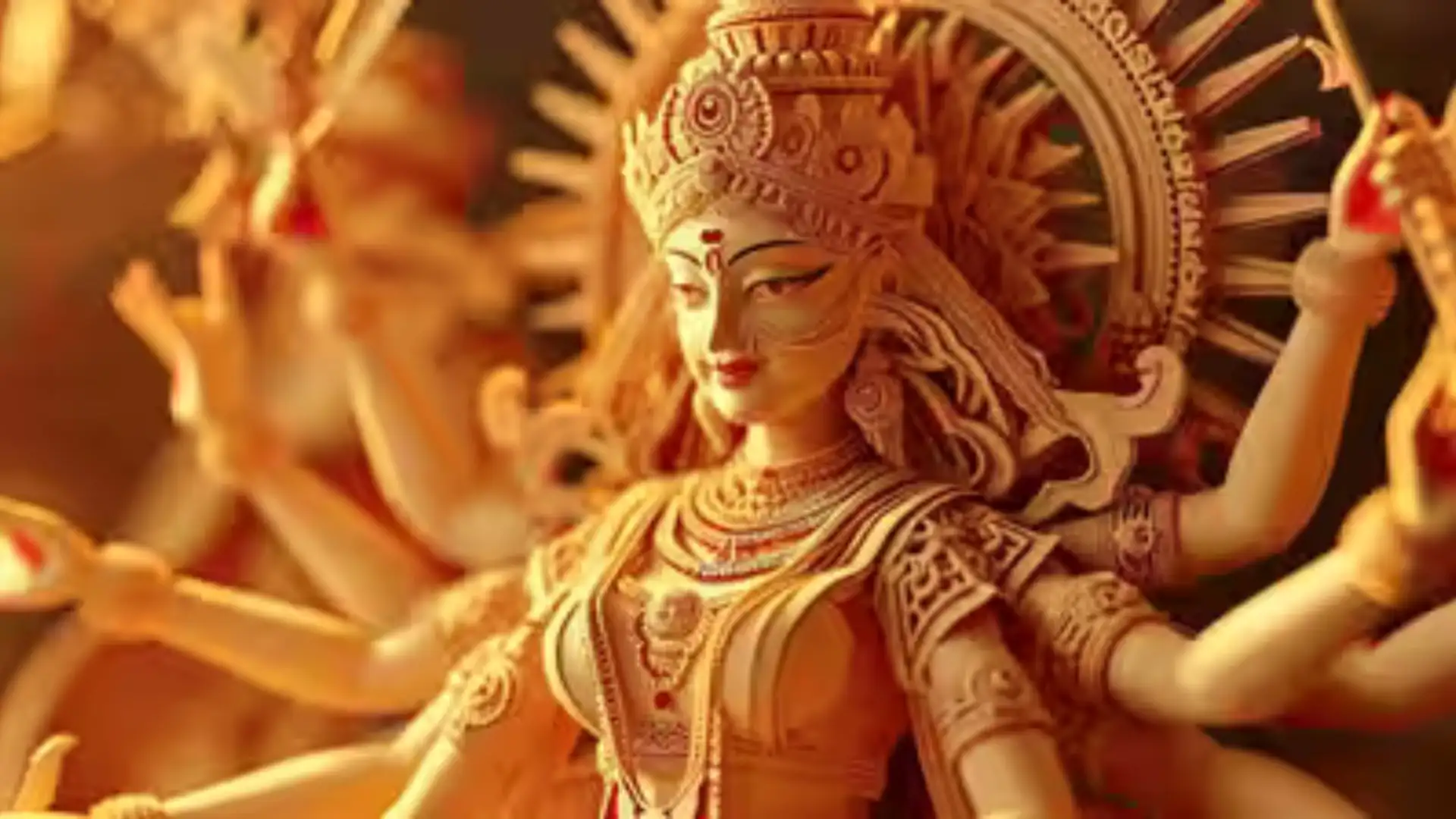
Here are the important details for Navratri Day 1:
The goddess is commonly depicted riding a white bull called Nandi, holding a trident in one hand and a lotus in the other. These traditional symbols represent strength, determination and spiritual growth.
Maa Shailputri is associated with stability and a strong foundation for one's spiritual journey. Worshipping her on the first day is believed by devotees to invite divine blessings, courage and inner strength.
Her worship also marks the beginning of the daily prayers dedicated to the nine manifestations of Goddess Durga. Each day of Navratri has its own spiritual significance, rituals and traditions.
The ritual symbolises the formal beginning of Navratri worship. Families and temples prepare their prayer spaces, arrange the required puja materials and perform the ceremony according to their customs.
The important timings for Ghatasthapana on October 11, 2026, are:
Traditional Panchang guidance recommends performing Ghatasthapana during an auspicious morning period while Pratipada Tithi is prevailing. Abhijit Muhurat may be considered when the preferred period is unavailable, subject to applicable Panchang rules.
The ritual should not be performed at night or during prohibited periods. Devotees are advised to follow the guidance of their family priest or a trusted Panchang for the appropriate procedure and timing.
Many devotees wear orange clothes while offering prayers to Maa Shailputri. Some also use orange flowers, decorations or other elements in their puja arrangements to reflect the day's traditional colour.
The colour tradition adds a festive touch to Navratri, with a different colour commonly associated with each day. Devotees may follow these customs according to their personal preferences and regional practices.
After the ritual, the offering may be distributed as prasad among family members and other devotees, following household customs.
Food offerings and bhog preparations can differ across regions and families. Those observing Navratri may follow their established traditions while ensuring that the ingredients and preparation methods align with their religious practices.
The main mantra is:
ॐ देवी शैलपुत्र्यै नमः॥
Transliteration: Om Devi Shailaputryai Namah.
The mantra is traditionally recited as an invocation to Maa Shailputri. Devotees may chant it quietly during meditation or as part of their morning puja.
Maa Shailputri Stuti Mantra
Devotees can also recite the following prayer as part of their worship:
या देवी सर्वभूतेषु माँ शैलपुत्री रूपेण संस्थिता।
नमस्तस्यै नमस्तस्यै नमस्तस्यै नमो नमः॥
Transliteration:
Ya Devi Sarvabhuteshu Maa Shailputri Rupena Samsthita,
Namastasyai Namastasyai Namastasyai Namo Namah.
The prayer expresses reverence for the divine feminine and is associated with devotion to the goddess.
A commonly followed sequence includes the following steps:
Ghatasthapana marks the start of the festival's religious activities, while prayers, mantra chanting and bhog offerings form an important part of the day's customs. The orange colour adds to the festive atmosphere and reflects the energy associated with this occasion.
Although rituals may differ across communities, the central purpose remains the same: to honour Goddess Durga and seek her blessings throughout Navratri.
Devotees planning their celebrations should remember the main details: orange is the colour of the day, desi ghee is the traditional bhog, and the Maa Shailputri mantra can be recited during worship. Checking the local Panchang for Ghatasthapana timings can also help ensure that the ritual is performed according to regional guidance.
With prayers and traditional observances, the first day sets the tone for the nine days of devotion, reflection and celebration that follow.
Navratri 2026 Day 1 Date and Tithi
Sharad Navratri begins on October 11, 2026, with the worship of Maa Shailputri. The first day falls on Ashwin Shukla Pratipada, the opening lunar day of the festival.Here are the important details for Navratri Day 1:
- Date: Sunday, October 11, 2026
- Goddess worshipped: Maa Shailputri
- Tithi: Ashwin Shukla Pratipada
- Navratri Day 1 colour : Orange
- Main ritual: Ghatasthapana or Kalash Sthapana
- Traditional bhog: Desi ghee
Who Is Maa Shailputri? Significance of the First Day
Maa Shailputri is the first of the nine forms of Goddess Durga worshipped during Navratri. Her name comes from two Sanskrit words: Shaila, meaning mountain, and Putri, meaning daughter. She is revered as the daughter of the Himalayas.The goddess is commonly depicted riding a white bull called Nandi, holding a trident in one hand and a lotus in the other. These traditional symbols represent strength, determination and spiritual growth.
Maa Shailputri is associated with stability and a strong foundation for one's spiritual journey. Worshipping her on the first day is believed by devotees to invite divine blessings, courage and inner strength.
Her worship also marks the beginning of the daily prayers dedicated to the nine manifestations of Goddess Durga. Each day of Navratri has its own spiritual significance, rituals and traditions.
Ghatasthapana Muhurat on October 11, 2026
Ghatasthapana is one of the most important rituals performed on the first day of Sharad Navratri. Also known as Kalash Sthapana, it involves establishing a sacred pot as part of the invocation of Goddess Shakti.The ritual symbolises the formal beginning of Navratri worship. Families and temples prepare their prayer spaces, arrange the required puja materials and perform the ceremony according to their customs.
The important timings for Ghatasthapana on October 11, 2026, are:
- Date: Sunday, October 11, 2026
- Ghatasthapana Muhurat: 6:31 AM to 10:27 AM
- Duration: 3 hours and 56 minutes
- Abhijit Muhurat: 12:01 PM to 12:49 PM
- Pratipada Tithi: 9:19 PM on October 10 to 9:30 PM on October 11
Why Is Ghatasthapana Important During Navratri?
Ghatasthapana signifies the invocation of divine energy and the beginning of the nine-day period of worship. The Kalash is treated as sacred and occupies an important place in the puja arrangement.Traditional Panchang guidance recommends performing Ghatasthapana during an auspicious morning period while Pratipada Tithi is prevailing. Abhijit Muhurat may be considered when the preferred period is unavailable, subject to applicable Panchang rules.
The ritual should not be performed at night or during prohibited periods. Devotees are advised to follow the guidance of their family priest or a trusted Panchang for the appropriate procedure and timing.
Navratri Day 1 Colour 2026: Why Orange Is Auspicious
Orange is the designated colour for the first day of Navratri in 2026. The colour is associated with enthusiasm, warmth, energy and positivity, making it a popular choice for the opening day of the festival.Many devotees wear orange clothes while offering prayers to Maa Shailputri. Some also use orange flowers, decorations or other elements in their puja arrangements to reflect the day's traditional colour.
The colour tradition adds a festive touch to Navratri, with a different colour commonly associated with each day. Devotees may follow these customs according to their personal preferences and regional practices.
Maa Shailputri Bhog for Day 1: What to Offer
Desi ghee is traditionally offered to Maa Shailputri on the first day of Navratri. Devotees prepare the offering with devotion and present it during the puja as part of their prayers.After the ritual, the offering may be distributed as prasad among family members and other devotees, following household customs.
Food offerings and bhog preparations can differ across regions and families. Those observing Navratri may follow their established traditions while ensuring that the ingredients and preparation methods align with their religious practices.
Maa Shailputri Puja Mantra for Navratri 2026
Chanting Maa Shailputri's mantra is an important part of the first day's worship. Devotees recite it while offering prayers and seeking the goddess's blessings.The main mantra is:
ॐ देवी शैलपुत्र्यै नमः॥
Transliteration: Om Devi Shailaputryai Namah.
The mantra is traditionally recited as an invocation to Maa Shailputri. Devotees may chant it quietly during meditation or as part of their morning puja.
Maa Shailputri Stuti Mantra
Devotees can also recite the following prayer as part of their worship:
या देवी सर्वभूतेषु माँ शैलपुत्री रूपेण संस्थिता।
नमस्तस्यै नमस्तस्यै नमस्तस्यै नमो नमः॥
Transliteration:
Ya Devi Sarvabhuteshu Maa Shailputri Rupena Samsthita,
Namastasyai Namastasyai Namastasyai Namo Namah.
The prayer expresses reverence for the divine feminine and is associated with devotion to the goddess.
Maa Shailputri Puja Vidhi: Step-by-Step Rituals
Devotees can observe the first day of Navratri by performing a simple puja at home. The exact procedure may vary according to regional customs, family traditions and guidance from a priest.A commonly followed sequence includes the following steps:
- Clean the puja area: Prepare a clean and peaceful space for worship. Arrange the idol or picture of Maa Shailputri and the required puja materials.
- Perform Ghatasthapana: Establish the sacred Kalash during the appropriate muhurat, following the customary procedure.
- Light a diya: Light an oil or ghee lamp and begin the prayers with devotion.
- Offer flowers: Present fresh flowers and other traditional offerings to Maa Shailputri.
- Offer desi ghee: Place the traditional bhog before the goddess as part of the worship.
- Chant the mantra: Recite the Maa Shailputri mantra and other prayers according to your family's practice.
- Perform aarti: Conclude the main worship with aarti and prayers.
- Distribute prasad: Share the offering with family members and devotees according to tradition.
What Does Navratri Day 1 Symbolise?
The first day of Navratri represents a fresh beginning rooted in faith, discipline and devotion. By worshipping Maa Shailputri, devotees seek strength and stability as they begin the nine-day spiritual observance.Ghatasthapana marks the start of the festival's religious activities, while prayers, mantra chanting and bhog offerings form an important part of the day's customs. The orange colour adds to the festive atmosphere and reflects the energy associated with this occasion.
Although rituals may differ across communities, the central purpose remains the same: to honour Goddess Durga and seek her blessings throughout Navratri.
Navratri 2026 Day 1: Key Details to Remember
Sharad Navratri begins on Sunday, October 11, 2026, with the worship of Maa Shailputri. The day includes Ghatasthapana, prayers, traditional offerings and the chanting of sacred mantras.Devotees planning their celebrations should remember the main details: orange is the colour of the day, desi ghee is the traditional bhog, and the Maa Shailputri mantra can be recited during worship. Checking the local Panchang for Ghatasthapana timings can also help ensure that the ritual is performed according to regional guidance.
With prayers and traditional observances, the first day sets the tone for the nine days of devotion, reflection and celebration that follow.
Next Story