
Navratri 2026 Day 4: Maa Kushmanda Puja Vidhi, Colour, Bhog, Mantra and Significance

Navratri 2026 Day 4 will be celebrated on Wednesday, October 14, with devotees worshipping Maa Kushmanda , the fourth form of Goddess Durga. Associated with the creation of the universe, divine radiance and life-giving energy, Maa Kushmanda holds an important place in the Navdurga tradition. Devotees observe the day with prayers, traditional offerings and mantra chanting to seek blessings for health, happiness and prosperity. Here is everything you need to know about Navratri Day 4, including the date, Chaturthi tithi timings, royal blue colour, bhog, puja vidhi and mantra.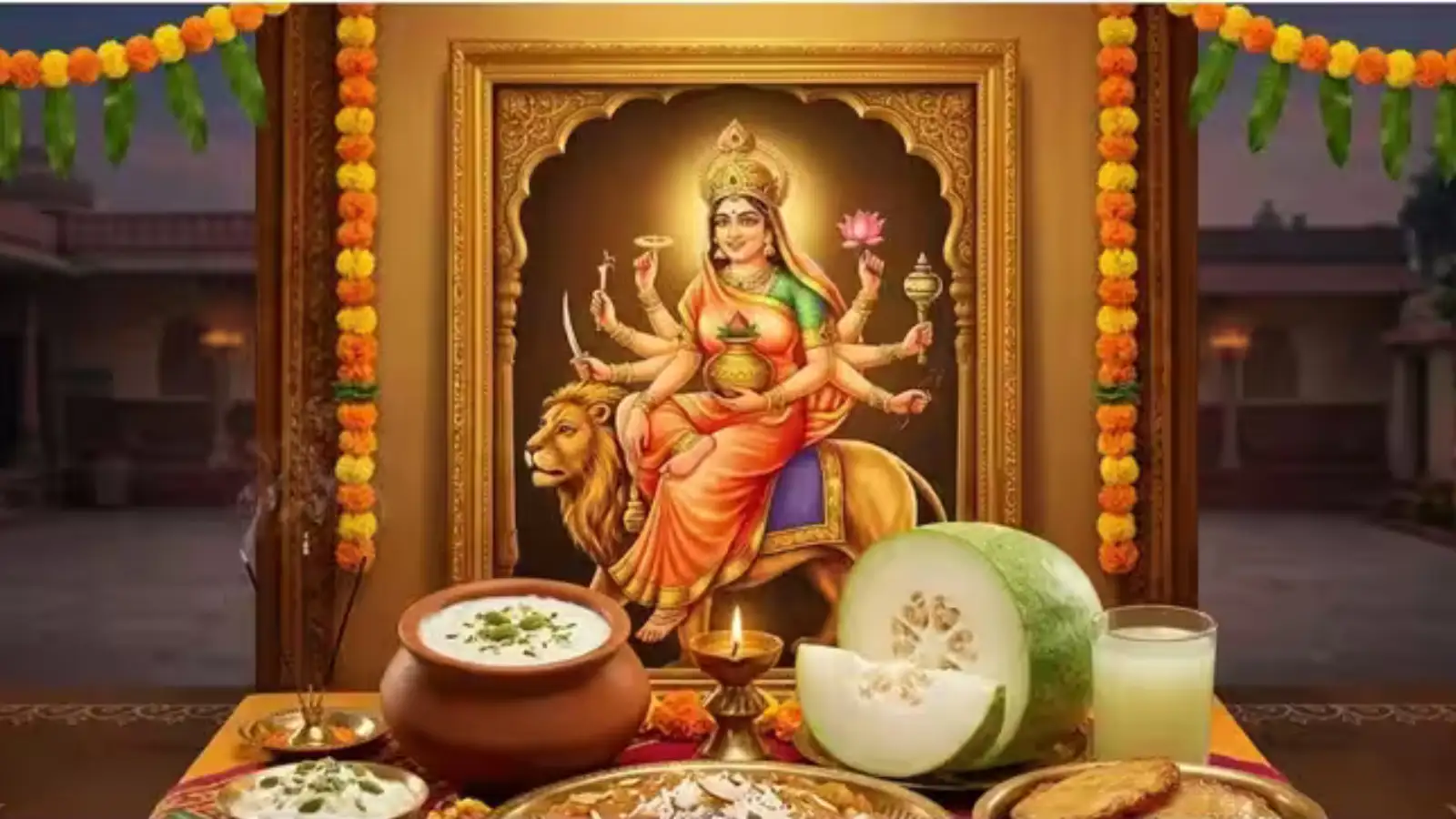
According to the Panchang timings provided for the occasion, the relevant Chaturthi tithi begins on October 13 and ends on October 15.
Her name is traditionally interpreted through three parts: “Ku”, meaning little; “Ushma”, meaning warmth or energy; and “Anda”, meaning cosmic egg. This interpretation connects the goddess with the cosmic egg from which creation is believed to have emerged.
According to Hindu mythology, the universe was initially enveloped in darkness. Maa Kushmanda is believed to have brought light into this darkness through her divine smile, setting the process of creation in motion.
She is also associated with the Sun and the energy that sustains life. Her radiant form symbolises the creative power of Shakti, positivity and the transition from darkness to light.
Devotees can incorporate royal blue into their festive celebrations in different ways. Wearing royal blue clothes, decorating the puja area with matching fabrics or using the colour in festive accessories are some options.
However, Navratri colour traditions can vary across regions, communities and calendars. Devotees may follow the colour sequence observed by their family or local tradition.
Other customary offerings may include fresh fruits, sweets and items prepared according to family or temple traditions. Ash gourd, also known as winter melon, is associated with the name Kushmanda and is considered significant in some traditions.
The choice of bhog can differ according to regional customs and individual practices. Devotees should prepare offerings in keeping with their household traditions and distribute them as prasad after the worship.
Devotees following a particular regional or family tradition should give preference to their customary rituals.
Maa Kushmanda Mantra:
ॐ देवी कूष्माण्डायै नमः॥
Transliteration: Om Devi Kushmandayai Namah.
The mantra is a traditional invocation of Maa Kushmanda. Devotees may recite it during the puja or while meditating on the goddess.
Maa Kushmanda Dhyan Mantra and Stuti
A traditional verse associated with Maa Kushmanda is recited by devotees as part of her worship.
Maa Kushmanda Stuti:
सुरासम्पूर्णकलशं रुधिराप्लुतमेव च।
दधाना हस्तपद्माभ्यां कूष्माण्डा शुभदास्तु मे॥
Transliteration:
Surasampurnakalasham Rudhiraplutameva Cha,
Dadhana Hastapadmabhyam Kushmanda Shubhadastu Me.
Devotees may recite this verse as part of their traditional prayers to seek the goddess's blessings.
Her hands are depicted holding various divine objects, which may include a bow, arrow, lotus, mace, discus, trident, kamandalu and rudraksha mala. The objects represent different aspects of divine power and spiritual practice.
Her radiant appearance reflects the energy of creation, while the lion symbolises courage and strength. Together, these elements highlight her role as a powerful manifestation of Goddess Durga.
As a goddess linked with the creation of the universe, she represents the energy that brings life and sustains the cosmic order. Her association with light also carries a spiritual message about overcoming darkness, negativity and uncertainty.
For devotees, the day offers an opportunity to focus on prayer, gratitude and positive intentions. Through puja, mantra chanting and traditional offerings, worshippers honour the creative energy of Shakti and seek peace and well-being for themselves and their families.
Chaturthi tithi timings indicate the duration of the lunar date, but the precise auspicious puja time depends on the local Panchang. Checking local timings and following family traditions can help devotees observe the occasion appropriately.
Navratri 2026 Day 4 Date and Tithi Timings
The fourth day of Sharad Navratri falls on Wednesday, October 14, 2026. The day is dedicated to Maa Kushmanda, the fourth manifestation of Goddess Durga worshipped during the nine-day festival.According to the Panchang timings provided for the occasion, the relevant Chaturthi tithi begins on October 13 and ends on October 15.
- Navratri Day 4: Wednesday, October 14, 2026
- Chaturthi Tithi Begins: October 13, 2026, at 11:29 PM
- Chaturthi Tithi Ends: October 15, 2026, at 1:14 AM
- Goddess Worshipped: Maa Kushmanda
- Navratri Day 4 Colour : Royal blue
- Traditional Bhog: Malpua and other customary offerings
Who Is Maa Kushmanda? Know the Story Behind Her Name
Maa Kushmanda is the fourth form of Goddess Durga worshipped during Sharad Navratri. In Hindu tradition, she is associated with the creation of the universe and the divine energy that brings light, warmth and vitality to life.Her name is traditionally interpreted through three parts: “Ku”, meaning little; “Ushma”, meaning warmth or energy; and “Anda”, meaning cosmic egg. This interpretation connects the goddess with the cosmic egg from which creation is believed to have emerged.
According to Hindu mythology, the universe was initially enveloped in darkness. Maa Kushmanda is believed to have brought light into this darkness through her divine smile, setting the process of creation in motion.
She is also associated with the Sun and the energy that sustains life. Her radiant form symbolises the creative power of Shakti, positivity and the transition from darkness to light.
Navratri 2026 Day 4 Colour: Why Is Royal Blue Significant?
Royal blue is the colour associated with Navratri Day 4 in the calendar followed for 2026. The rich shade is often linked with confidence, stability, depth and strength.Devotees can incorporate royal blue into their festive celebrations in different ways. Wearing royal blue clothes, decorating the puja area with matching fabrics or using the colour in festive accessories are some options.
However, Navratri colour traditions can vary across regions, communities and calendars. Devotees may follow the colour sequence observed by their family or local tradition.
Maa Kushmanda Bhog : What Should You Offer to the Goddess?
Malpua is traditionally associated with offerings to Maa Kushmanda. Devotees prepare the sweet dish and present it to the goddess as bhog during the puja.Other customary offerings may include fresh fruits, sweets and items prepared according to family or temple traditions. Ash gourd, also known as winter melon, is associated with the name Kushmanda and is considered significant in some traditions.
The choice of bhog can differ according to regional customs and individual practices. Devotees should prepare offerings in keeping with their household traditions and distribute them as prasad after the worship.
Maa Kushmanda Puja Vidhi : How to Worship the Goddess
The fourth day of Navratri is observed with devotion through prayers, offerings and mantra chanting. While the exact ritual sequence may differ between families, the following steps provide a simple guide to Maa Kushmanda puja.1. Prepare for the Puja
Take a bath, wear clean clothes and clean the place where the puja will be performed. Arrange the required puja items, flowers, diya, incense and bhog beforehand.2. Light a Diya and Begin the Prayers
Light a diya and begin the worship with a prayer to Lord Ganesha, according to your family tradition. Devotees who have established a Kalash or Akhand Jyoti during Ghatasthapana may offer prayers to them as part of their daily Navratri rituals.3. Invoke Maa Kushmanda
Place an image or idol of Maa Kushmanda on the puja altar. Offer flowers, kumkum, sandalwood and other customary items while remembering the goddess with devotion.4. Offer Bhog to the Goddess
Present malpua, fruits, sweets or other traditional offerings. The bhog should be prepared and offered according to the customs followed by the family.5. Chant the Maa Kushmanda Mantra
Recite the goddess's mantra with concentration and devotion. You may also read a traditional stuti or other prayers dedicated to Maa Kushmanda.6. Perform Aarti and Distribute Prasad
Conclude the puja with aarti and prayers for health, peace, happiness and prosperity. Distribute the offerings as prasad among family members.Devotees following a particular regional or family tradition should give preference to their customary rituals.
Maa Kushmanda Mantra for Navratri Day 4
Devotees chant the following mantra while worshipping Maa Kushmanda on the fourth day of Navratri.Maa Kushmanda Mantra:
ॐ देवी कूष्माण्डायै नमः॥
Transliteration: Om Devi Kushmandayai Namah.
The mantra is a traditional invocation of Maa Kushmanda. Devotees may recite it during the puja or while meditating on the goddess.
Maa Kushmanda Dhyan Mantra and Stuti
A traditional verse associated with Maa Kushmanda is recited by devotees as part of her worship.
Maa Kushmanda Stuti:
सुरासम्पूर्णकलशं रुधिराप्लुतमेव च।
दधाना हस्तपद्माभ्यां कूष्माण्डा शुभदास्तु मे॥
Transliteration:
Surasampurnakalasham Rudhiraplutameva Cha,
Dadhana Hastapadmabhyam Kushmanda Shubhadastu Me.
Devotees may recite this verse as part of their traditional prayers to seek the goddess's blessings.
How Is Maa Kushmanda Depicted?
Maa Kushmanda is traditionally depicted with eight arms and is therefore also known as Ashtabhuja Devi. She is generally shown riding a lion, which represents strength and courage.Her hands are depicted holding various divine objects, which may include a bow, arrow, lotus, mace, discus, trident, kamandalu and rudraksha mala. The objects represent different aspects of divine power and spiritual practice.
Her radiant appearance reflects the energy of creation, while the lion symbolises courage and strength. Together, these elements highlight her role as a powerful manifestation of Goddess Durga.
Significance of Worshipping Maa Kushmanda During Navratri
Worshipping Maa Kushmanda on Navratri Day 4 is traditionally associated with seeking blessings for vitality, prosperity, strength and spiritual well-being.As a goddess linked with the creation of the universe, she represents the energy that brings life and sustains the cosmic order. Her association with light also carries a spiritual message about overcoming darkness, negativity and uncertainty.
For devotees, the day offers an opportunity to focus on prayer, gratitude and positive intentions. Through puja, mantra chanting and traditional offerings, worshippers honour the creative energy of Shakti and seek peace and well-being for themselves and their families.
Navratri 2026 Day 4: Key Things to Remember
Navratri Day 4 on October 14 is dedicated to Maa Kushmanda, the fourth form of Goddess Durga. Royal blue is the associated colour, while malpua is a traditional bhog offering. Devotees can perform the puja with flowers, a diya, customary offerings, mantra chanting and aarti.Chaturthi tithi timings indicate the duration of the lunar date, but the precise auspicious puja time depends on the local Panchang. Checking local timings and following family traditions can help devotees observe the occasion appropriately.
Next Story