
Navratri 2026 Day 7: Maa Kalaratri Puja Vidhi, Shubh Muhurat, Colour, Bhog and Mantra

Navratri 2026 Day 7 will be observed on Saturday, October 17, dedicated to Maa Kalaratri , the seventh form of Goddess Durga. Known for her fierce appearance and immense divine power, Maa Kalaratri is worshipped for protection from evil, courage, spiritual strength and the removal of obstacles. Devotees observe the day with special prayers, rituals and offerings to seek her blessings. From the Saptami Tithi and puja vidhi to the auspicious colour, bhog and powerful mantras, here is everything you need to know about Durga Navratri's seventh day.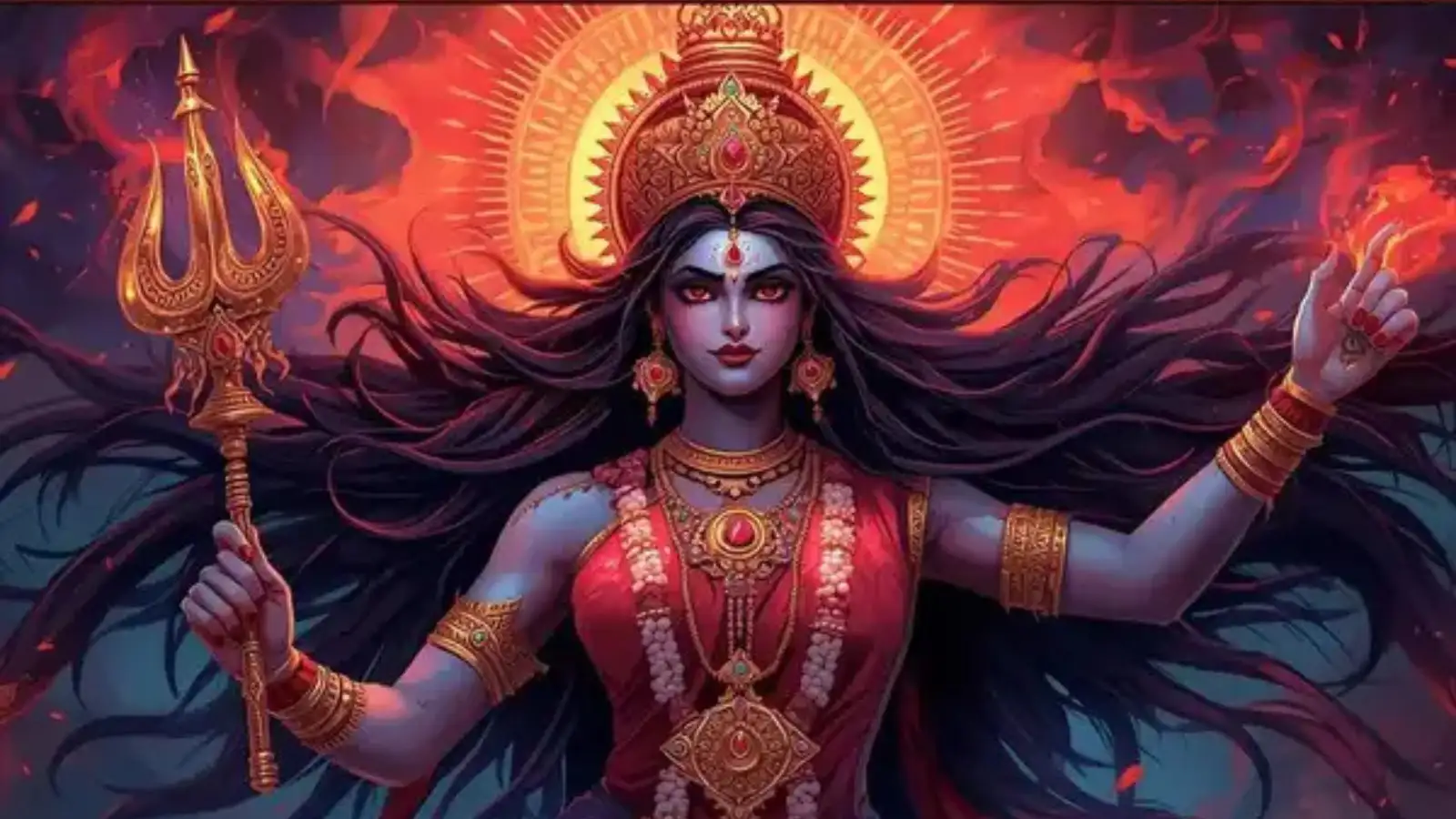
Here are the important dates and timings for Navratri Day 7:
Her name combines two Sanskrit words: Kala, associated with time, and Ratri, meaning night. Together, they symbolise the powerful force that brings darkness, ignorance and evil to an end.
Maa Kalaratri is traditionally depicted with a dark complexion, dishevelled hair and three eyes. She rides a donkey and is often shown carrying weapons, with flames surrounding her body. Her striking appearance represents her ability to overcome fear and destroy destructive forces.
She is also known as Shubhankari, a name associated with auspiciousness and good fortune. Devotees believe that praying to her brings courage, confidence and strength during difficult times. Her worship is also associated with overcoming obstacles and progressing on the spiritual path.
Devotees may wear grey-coloured clothes while offering prayers to Maa Kalaratri. The colour also serves as a reminder to face uncertainty with courage and maintain faith during difficult phases of life.
While traditional colour associations may differ across regional calendars and traditions, wearing grey can be a meaningful way to observe the day's custom.
According to popular religious beliefs, offering jaggery to the Goddess is associated with seeking relief from difficulties and praying for prosperity, well-being and protection.
Other offerings may include fresh flowers, fruits and sweets, depending on family traditions. After the puja, the food offered to the Goddess is distributed as prasad among family members and other devotees.
Maa Kalaratri Mula Mantra
ॐ देवी कालरात्र्यै नमः॥
Meaning: I bow to Goddess Kalaratri and seek her divine protection and blessings.
Maa Kalaratri Dhyan Mantra
एकवेणी जपाकर्णपूरा नग्ना खरास्थिता।
लम्बोष्ठी कर्णिकाकर्णी तैलाभ्यक्त शरीरिणी॥
वामपादोल्लसल्लोह लताकण्टकभूषणा।
वर्धन मूर्धध्वजा कृष्णा कालरात्रिर्भयङ्करी॥
Devotees may recite the mantra with concentration and devotion. Some traditions recommend chanting the Mula Mantra 108 times, although the number of repetitions can vary according to personal practice and family customs.
Some traditions also include night-time worship on Saptami. Devotees should follow their family's customs and consult a local priest for rituals that require specific timings.
When Goddess Durga fought Raktabija, the blood falling onto the battlefield caused more and more copies of the demon to appear. The growing army created a serious challenge for the divine forces.
To overcome this threat, the Goddess manifested a fierce form known as Maa Kalaratri. With her extraordinary power, she prevented Raktabija's blood from reaching the ground and creating further demons. She ultimately helped bring an end to his reign of terror.
In popular retellings, this episode highlights Maa Kalaratri's fearlessness and her ability to destroy forces that appear impossible to defeat.
The wider legends of Goddess Durga also describe her battle against the demons Shumbha and Nishumbha. Details of these stories differ across scriptures and devotional traditions, but they share a central theme: the triumph of divine power over evil.
Her association with time also reflects the idea that everything in the material world is temporary. Challenges, uncertainty and fear may seem overwhelming, but they need not define a person's future.
In some spiritual traditions, the worship of Maa Kalaratri is associated with the Sahasrara, or crown chakra, which symbolises higher awareness and spiritual consciousness. This interpretation is part of devotional and yogic belief rather than a scientifically established effect of the ritual.
For devotees, the seventh day of Navratri is an opportunity to pray for inner strength, cultivate faith and seek the courage to face life's challenges.
Navratri 2026 Day 7, observed on October 17, honours Maa Kalaratri, the powerful seventh form of Goddess Durga. Devotees mark the occasion with prayers, mantra chanting, aarti and offerings of jaggery. Grey is associated with the day in the given colour sequence, symbolising resilience and balance.
Beyond the rituals, Maa Kalaratri represents the courage to confront fear and the strength to overcome adversity. By observing Saptami with devotion and following their family traditions, devotees seek her blessings for protection, peace and auspicious beginnings.
Navratri 2026 Day 7: Date and Saptami Tithi
The seventh day of Sharadiya Navratri falls on October 17, 2026. This day is dedicated to Maa Kalaratri, whose worship holds special significance during the nine-day festival.Here are the important dates and timings for Navratri Day 7:
- Date: Saturday, October 17, 2026
- Saptami Tithi Begins: October 17, 2026, at 5:35 AM
- Saptami Tithi Ends: October 18, 2026, at 7:27 AM
Who Is Maa Kalaratri? Significance of the Seventh Form of Durga
Maa Kalaratri is the seventh manifestation of Goddess Durga and is worshipped on the seventh day of Navratri. Although her appearance is fierce, she is regarded as a compassionate protector who destroys evil and shields her devotees from negative forces.Her name combines two Sanskrit words: Kala, associated with time, and Ratri, meaning night. Together, they symbolise the powerful force that brings darkness, ignorance and evil to an end.
Maa Kalaratri is traditionally depicted with a dark complexion, dishevelled hair and three eyes. She rides a donkey and is often shown carrying weapons, with flames surrounding her body. Her striking appearance represents her ability to overcome fear and destroy destructive forces.
She is also known as Shubhankari, a name associated with auspiciousness and good fortune. Devotees believe that praying to her brings courage, confidence and strength during difficult times. Her worship is also associated with overcoming obstacles and progressing on the spiritual path.
Navratri 2026 Day 7 Colour: Why Grey Is Considered Auspicious
The colour associated with Navratri Day 7 in the given festival colour sequence is grey. This shade represents balance, resilience and the ability to remain steady through challenging situations.Devotees may wear grey-coloured clothes while offering prayers to Maa Kalaratri. The colour also serves as a reminder to face uncertainty with courage and maintain faith during difficult phases of life.
While traditional colour associations may differ across regional calendars and traditions, wearing grey can be a meaningful way to observe the day's custom.
Navratri Day 7 Bhog: What to Offer Maa Kalaratri
Jaggery, known as gur in Hindi, is a traditional offering associated with Maa Kalaratri. Devotees may offer plain jaggery or prepare sweets using it as part of the day's worship.According to popular religious beliefs, offering jaggery to the Goddess is associated with seeking relief from difficulties and praying for prosperity, well-being and protection.
Other offerings may include fresh flowers, fruits and sweets, depending on family traditions. After the puja, the food offered to the Goddess is distributed as prasad among family members and other devotees.
Maa Kalaratri Mantra for Navratri Day 7
Chanting Maa Kalaratri's mantra is an important part of the day's devotional practices. Devotees recite the mantra while meditating on the Goddess and seeking her blessings.Maa Kalaratri Mula Mantra
ॐ देवी कालरात्र्यै नमः॥
Meaning: I bow to Goddess Kalaratri and seek her divine protection and blessings.
Maa Kalaratri Dhyan Mantra
एकवेणी जपाकर्णपूरा नग्ना खरास्थिता।
लम्बोष्ठी कर्णिकाकर्णी तैलाभ्यक्त शरीरिणी॥
वामपादोल्लसल्लोह लताकण्टकभूषणा।
वर्धन मूर्धध्वजा कृष्णा कालरात्रिर्भयङ्करी॥
Devotees may recite the mantra with concentration and devotion. Some traditions recommend chanting the Mula Mantra 108 times, although the number of repetitions can vary according to personal practice and family customs.
Navratri Day 7 Puja Vidhi: How to Worship Maa Kalaratri
Devotees perform special prayers to Maa Kalaratri on Saptami to seek courage, protection and spiritual strength. The rituals may vary across regions and households, but the following steps offer a simple guide to the day's worship.1. Clean the Puja Area and Prepare for Worship
Wake up early, bathe and wear clean clothes. Devotees following the grey colour tradition may choose an outfit in that shade. Clean the place of worship and sprinkle a little Gangajal, if customary in the household.2. Begin with Lord Ganesha's Prayers
Start the puja by remembering Lord Ganesha, who is traditionally worshipped before other deities. Offer prayers to the Kalash established during Navratri and pay respects to the Akhand Jyoti, if one has been lit.3. Invoke Maa Kalaratri
Place the Goddess's image or idol in the designated worship area. Pray with a calm mind and focus on her protective form. Devotees may offer flowers and seek her blessings for courage, peace and freedom from fear.4. Offer Flowers, Kumkum and Incense
Offer fresh flowers, such as hibiscus or marigolds, according to local custom. Apply kumkum or sandalwood paste where appropriate, and light incense and a diya as part of the ritual.5. Offer Jaggery as Bhog
Place jaggery or a sweet prepared with jaggery before the Goddess. Devotees may also offer fruits and other traditional foods prepared for the occasion.6. Chant the Maa Kalaratri Mantra
Sit comfortably and recite the Mula Mantra with devotion. Those who follow the practice may repeat it 108 times while meditating on the Goddess's protective qualities.7. Perform Aarti and Distribute Prasad
Conclude the puja with Maa Durga's or Maa Kalaratri's aarti, according to family tradition. Distribute the prasad among family members and devotees. Sharing food with people in need is another meaningful way to mark the occasion.Some traditions also include night-time worship on Saptami. Devotees should follow their family's customs and consult a local priest for rituals that require specific timings.
Maa Kalaratri Vrat Katha : The Legend Behind Her Fierce Form
According to a popular account associated with the Goddess's battle against Raktabija, a powerful demon threatened the balance between the divine and demonic worlds. His extraordinary boon made him especially difficult to defeat: every drop of his blood that touched the ground produced another demon like him.When Goddess Durga fought Raktabija, the blood falling onto the battlefield caused more and more copies of the demon to appear. The growing army created a serious challenge for the divine forces.
To overcome this threat, the Goddess manifested a fierce form known as Maa Kalaratri. With her extraordinary power, she prevented Raktabija's blood from reaching the ground and creating further demons. She ultimately helped bring an end to his reign of terror.
In popular retellings, this episode highlights Maa Kalaratri's fearlessness and her ability to destroy forces that appear impossible to defeat.
The wider legends of Goddess Durga also describe her battle against the demons Shumbha and Nishumbha. Details of these stories differ across scriptures and devotional traditions, but they share a central theme: the triumph of divine power over evil.
Spiritual Significance of Maa Kalaratri
Maa Kalaratri's fierce appearance represents the destruction of fear, ignorance and negativity. She reminds devotees that strength does not always appear gentle and that confronting difficult truths can be an important part of spiritual growth.Her association with time also reflects the idea that everything in the material world is temporary. Challenges, uncertainty and fear may seem overwhelming, but they need not define a person's future.
In some spiritual traditions, the worship of Maa Kalaratri is associated with the Sahasrara, or crown chakra, which symbolises higher awareness and spiritual consciousness. This interpretation is part of devotional and yogic belief rather than a scientifically established effect of the ritual.
For devotees, the seventh day of Navratri is an opportunity to pray for inner strength, cultivate faith and seek the courage to face life's challenges.
Navratri 2026 Day 7, observed on October 17, honours Maa Kalaratri, the powerful seventh form of Goddess Durga. Devotees mark the occasion with prayers, mantra chanting, aarti and offerings of jaggery. Grey is associated with the day in the given colour sequence, symbolising resilience and balance.
Beyond the rituals, Maa Kalaratri represents the courage to confront fear and the strength to overcome adversity. By observing Saptami with devotion and following their family traditions, devotees seek her blessings for protection, peace and auspicious beginnings.
Next Story