
Before Cricket Came Gilli Danda: The Forgotten Indian Game That Inspired Generations

Long before cricket became one of India’s most loved sports, children across villages and towns played a simple yet fascinating game called gilli danda . With just two wooden sticks, players created a game that demanded accuracy, timing, physical strength and quick decision-making. Although it may look like a basic childhood activity, gilli danda carries interesting connections with physics, human movement and traditional sporting culture. The game represents a time when creativity mattered more than expensive equipment. Today, as interest in indigenous Indian games grows, gilli danda is being rediscovered as an example of how simple ideas can create challenging and skill-based sports.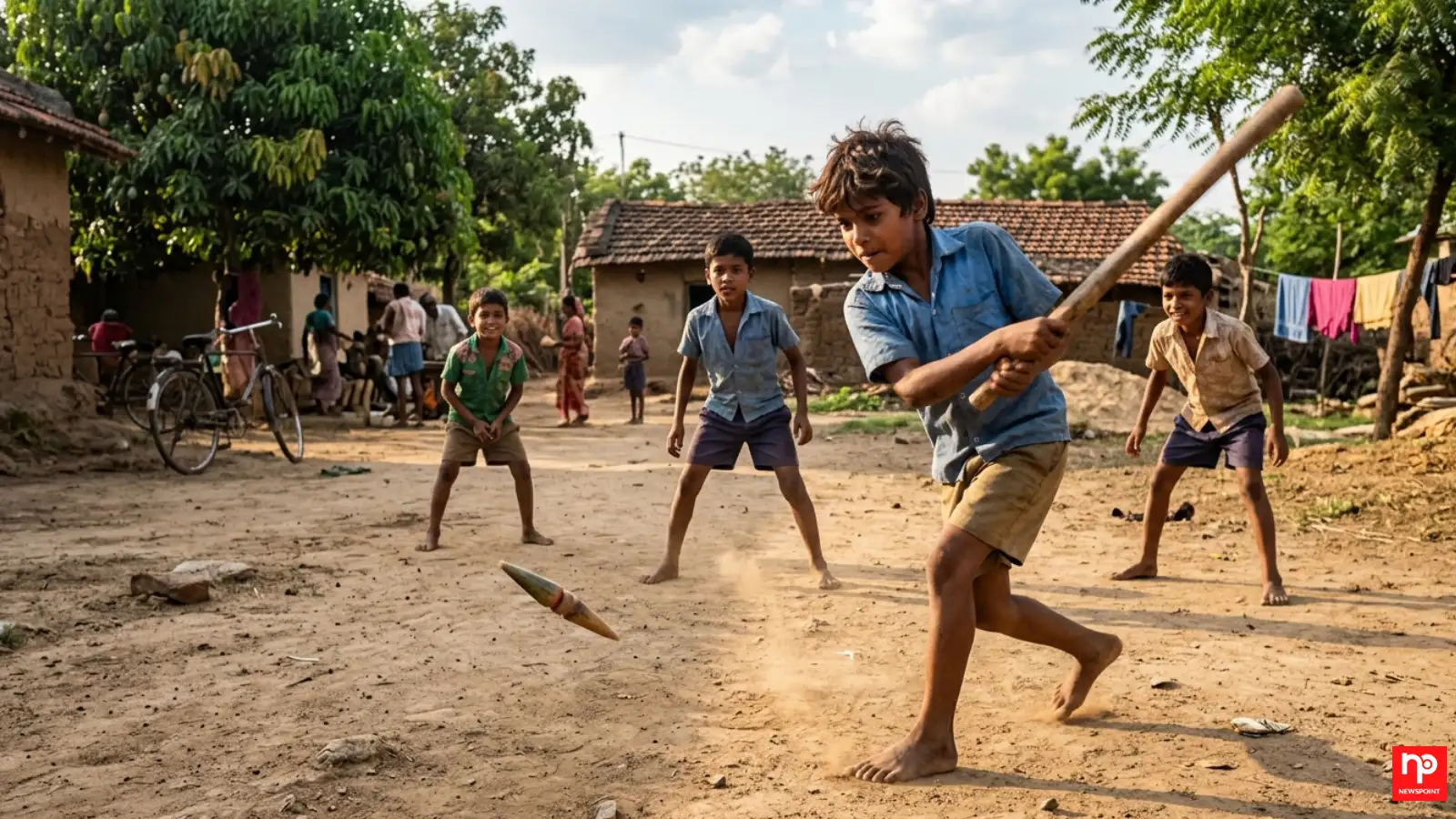
The basic equipment consists of two wooden pieces: a small pointed stick called the gilli and a longer stick called the danda. Players use the danda to hit the gilli into the air and then strike it again to send it as far as possible.
Unlike modern sports that require specialised grounds and equipment, gilli danda could be played almost anywhere, making it accessible to children from different backgrounds.
This is similar to concepts studied in projectile motion, where an object’s speed, angle and gravity influence its movement. Experienced players instinctively understand these factors without using scientific calculations.
The game also requires excellent hand-eye coordination. A player must judge the speed and position of the moving gilli within a fraction of a second before making the perfect strike.
Players also use strategy while deciding their shots. A carefully angled hit can send the gilli into a difficult position for opponents to catch.
The game improves reflexes, concentration and spatial awareness, making it a natural form of physical training.
Some organisations are also working to preserve traditional games by organising competitions and cultural events. Digital platforms allow people to learn forgotten games that were once limited to specific regions.
The revival of games like gilli danda shows that technology can help protect cultural heritage rather than replace it.
Another interesting feature is that different communities developed unique rules. Some versions focused on distance, while others included scoring systems based on catches and strikes.
Because the game required minimal resources, it became a symbol of creativity and outdoor play.
Gilli danda encourages outdoor movement, teamwork and problem-solving. It also connects younger generations with India’s regional sporting history.
Preserving such games is important because they represent cultural knowledge developed through generations. They remind us that meaningful experiences do not always require advanced technology or expensive equipment.
The Historical Roots of Gilli Danda
Gilli danda is considered one of India’s oldest traditional games, with its popularity spreading across rural communities for centuries. The game has been played in different forms throughout the Indian subcontinent, with local variations in rules and techniques.The basic equipment consists of two wooden pieces: a small pointed stick called the gilli and a longer stick called the danda. Players use the danda to hit the gilli into the air and then strike it again to send it as far as possible.
Unlike modern sports that require specialised grounds and equipment, gilli danda could be played almost anywhere, making it accessible to children from different backgrounds.
The Physics Behind Every Hit
The science of gilli danda lies mainly in the principles of force, motion and angles. When a player strikes the gilli, the amount of force applied determines how far it travels. The angle at which the gilli leaves the ground also affects its distance and direction.This is similar to concepts studied in projectile motion, where an object’s speed, angle and gravity influence its movement. Experienced players instinctively understand these factors without using scientific calculations.
The game also requires excellent hand-eye coordination. A player must judge the speed and position of the moving gilli within a fraction of a second before making the perfect strike.
The Role of Human Skill and Strategy
While physical strength helps, success in gilli danda depends heavily on timing and technique. A skilled player does not simply hit harder; they understand when and where to strike.Players also use strategy while deciding their shots. A carefully angled hit can send the gilli into a difficult position for opponents to catch.
You may also like
- 'You'll be criticised for captaincy as well': Gavaskar's candid verdict on Shubman Gill
- 'Not a good decision': Neeraj Chopra reflects on injury-hit World Championships
- 2026 FIFA WC: 'We could have built a bigger advantage'. Colombia's Lorenzo rues missed chances despite 3-1 win
- Vincent Trocheck NHL trade rumor intensifies after New York Rangers center makes major offseason change
- Pakistan skipper Fatima Sana lands The Hundred wildcard deal with Birmingham Phoenix
The game improves reflexes, concentration and spatial awareness, making it a natural form of physical training.
Technology and the Revival of Traditional Games
Technology has changed how people discover traditional games. Social media platforms, digital documentaries and online communities have helped introduce indigenous sports to younger generations.Some organisations are also working to preserve traditional games by organising competitions and cultural events. Digital platforms allow people to learn forgotten games that were once limited to specific regions.
The revival of games like gilli danda shows that technology can help protect cultural heritage rather than replace it.
Lesser-Known Facts About Gilli Danda
A surprising fact is that many historians believe gilli danda shares similarities with early forms of bat-and-ball games. While there is no direct proof that it created modern cricket, both games involve striking a small object with a wooden stick.Another interesting feature is that different communities developed unique rules. Some versions focused on distance, while others included scoring systems based on catches and strikes.
Because the game required minimal resources, it became a symbol of creativity and outdoor play.
Why Gilli Danda Matters Today
In an era where children spend increasing amounts of time on digital devices, traditional games offer valuable opportunities for physical activity and social interaction.Gilli danda encourages outdoor movement, teamwork and problem-solving. It also connects younger generations with India’s regional sporting history.
Preserving such games is important because they represent cultural knowledge developed through generations. They remind us that meaningful experiences do not always require advanced technology or expensive equipment.






More from our partners


Loving Newspoint? Download the app now
