
FIFA World Cup 2026 New Rules Explained: 8 Big Changes Fans Need to Know Before Kickoff

The FIFA World Cup 2026: 8 Major New Rules Introduced Ahead of the Tournament is set to redefine international football with a series of impactful changes aimed at improving fairness, speed, and the overall viewing experience. The upcoming edition of the tournament, hosted across the United States, Mexico, and Canada, will not only expand in scale but also introduce fresh regulations that modernise the game and reduce delays.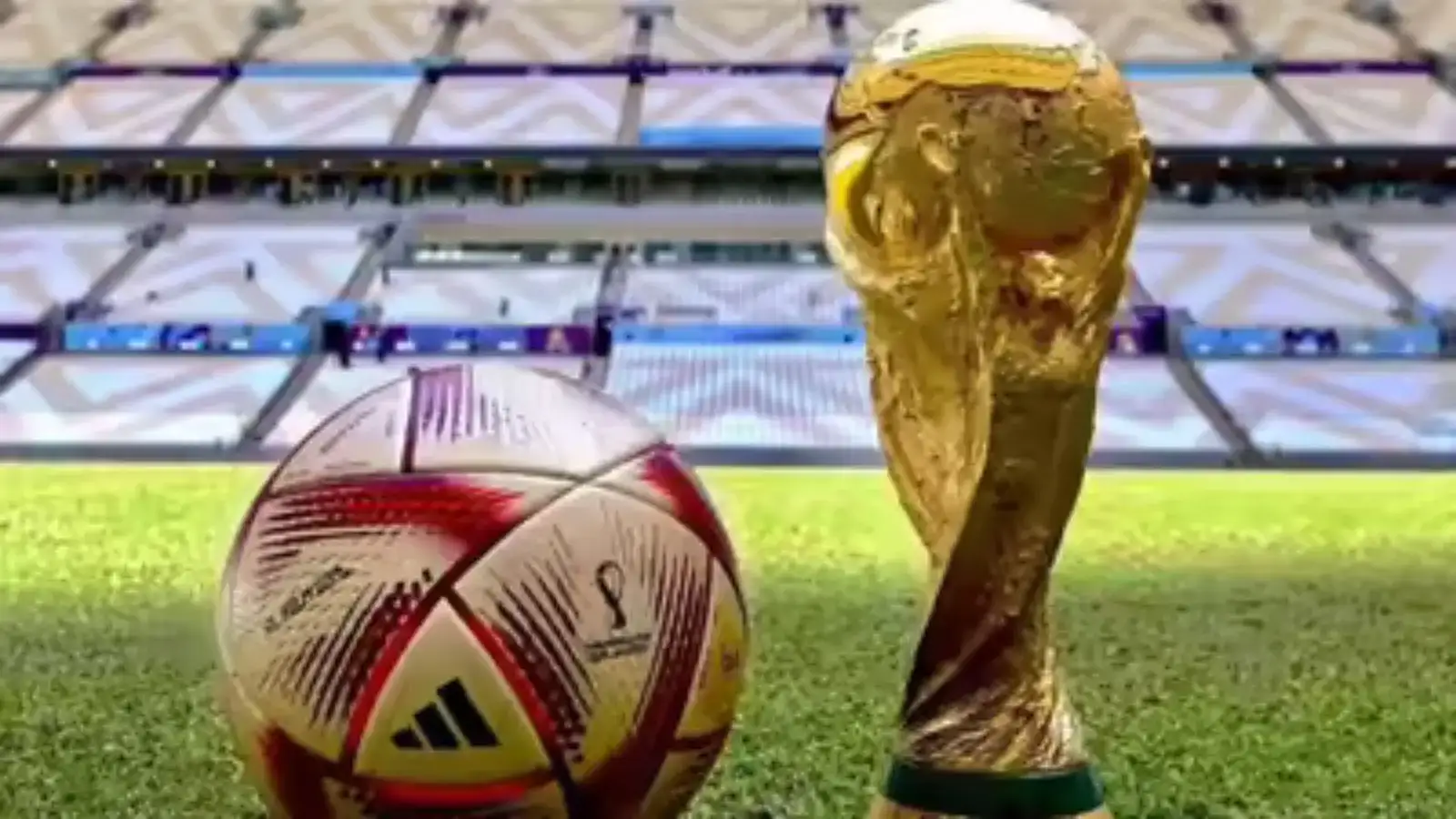
As the first-ever expanded World Cup featuring more teams and matches, the tournament is expected to be a turning point in football history. Along with its larger format, new match rules have been introduced to ensure smoother gameplay, better officiating accuracy, and improved transparency on the field.
A Historic Edition of the FIFA World Cup 2026
The upcoming edition of the tournament marks a major milestone in global football history. Organised by FIFA World Cup 2026 and jointly hosted by United States, Mexico, and Canada, this World Cup will feature an expanded format with more participating nations and matches than ever before.
To match this growth, football’s governing body FIFA has introduced several new rules designed to make the tournament faster, fairer, and more engaging for fans worldwide.
1. Referee Body Cam & Faster Substitution Exit Rule
One of the biggest innovations is the introduction of referee body cameras in selected matches. This step is aimed at improving transparency and helping officials make more accurate decisions.
In addition, substituted players must now leave the pitch within 10 seconds. If they delay, the team may face penalties or even have the substitution paused. This rule is designed to eliminate time-wasting and maintain match intensity.
2. VAR Allowed for Corner Kick Corrections
The Video Assistant Referee (VAR) system will now have expanded authority. It can intervene in cases where a corner kick is incorrectly awarded.
If the ball last touched an attacking player before going out, VAR can overturn the decision. However, it will only be used in clear and obvious situations to avoid unnecessary stoppages and keep the game flowing smoothly.
3. Strict 5-Second Rule for Goal Kicks
Goalkeepers will now have a maximum of 5 seconds to take a goal kick. If they exceed the limit, the opposing team will be awarded a corner kick instead of a retake.
This change aims to reduce deliberate time-wasting and encourage quicker restarts, increasing attacking opportunities and overall match tempo.
4. Medical Treatment 1-Minute Exit Rule
Any player who receives on-field medical treatment must leave the pitch for one minute before returning.
This rule discourages teams from using fake or exaggerated injuries to slow down the game. Exceptions will apply for serious injuries or goalkeepers.
The goal is to maintain fairness while ensuring player safety and continuous play.
5. No Covering Mouths During Communication
Players will now be penalised if they cover their mouths while speaking during matches. In serious cases, this could even lead to a red card.
The rule aims to improve transparency on the pitch and prevent hidden dissent, abuse, or inappropriate communication between players.
6. Revised Penalty Double-Touch Rule
If a player accidentally touches the ball twice during a penalty kick before another player makes contact, referees will now review intent more carefully.
Instead of automatically disallowing the goal, officials may allow a retake depending on whether the action was intentional or accidental. This ensures fairer decisions in high-pressure situations.
7. Last-Man Foul Advantage Rule Update
Under the updated regulation, if a last-man foul occurs but the attacking team still scores, referees can reassess whether a red card is necessary.
This helps avoid “double punishment” when the attacking side has already benefited from the advantage. The focus is now on fairness and evaluating the full passage of play.
8. 5-Second Limit on Throw-Ins
Throw-ins must now be taken within 5 seconds. If a team fails to restart play in time, possession will be awarded to the opposition.
This rule is designed to reduce unnecessary delays and keep the game moving at a faster pace, making matches more dynamic and entertaining for fans.
The FIFA World Cup 2026: 8 Major New Rules Introduced Ahead of the Tournament represents a significant step towards modernising football. With innovations targeting speed, fairness, and transparency, the tournament is set to deliver a more dynamic and engaging experience for players and fans alike.
As the world prepares for this historic edition, these rule changes highlight how football continues to evolve while preserving the spirit of the beautiful game.
As the first-ever expanded World Cup featuring more teams and matches, the tournament is expected to be a turning point in football history. Along with its larger format, new match rules have been introduced to ensure smoother gameplay, better officiating accuracy, and improved transparency on the field.
A Historic Edition of the FIFA World Cup 2026
The upcoming edition of the tournament marks a major milestone in global football history. Organised by FIFA World Cup 2026 and jointly hosted by United States, Mexico, and Canada, this World Cup will feature an expanded format with more participating nations and matches than ever before.
To match this growth, football’s governing body FIFA has introduced several new rules designed to make the tournament faster, fairer, and more engaging for fans worldwide.
1. Referee Body Cam & Faster Substitution Exit Rule
One of the biggest innovations is the introduction of referee body cameras in selected matches. This step is aimed at improving transparency and helping officials make more accurate decisions.
In addition, substituted players must now leave the pitch within 10 seconds. If they delay, the team may face penalties or even have the substitution paused. This rule is designed to eliminate time-wasting and maintain match intensity.
2. VAR Allowed for Corner Kick Corrections
The Video Assistant Referee (VAR) system will now have expanded authority. It can intervene in cases where a corner kick is incorrectly awarded.
If the ball last touched an attacking player before going out, VAR can overturn the decision. However, it will only be used in clear and obvious situations to avoid unnecessary stoppages and keep the game flowing smoothly.
3. Strict 5-Second Rule for Goal Kicks
Goalkeepers will now have a maximum of 5 seconds to take a goal kick. If they exceed the limit, the opposing team will be awarded a corner kick instead of a retake.
This change aims to reduce deliberate time-wasting and encourage quicker restarts, increasing attacking opportunities and overall match tempo.
4. Medical Treatment 1-Minute Exit Rule
Any player who receives on-field medical treatment must leave the pitch for one minute before returning.
This rule discourages teams from using fake or exaggerated injuries to slow down the game. Exceptions will apply for serious injuries or goalkeepers.
The goal is to maintain fairness while ensuring player safety and continuous play.
5. No Covering Mouths During Communication
Players will now be penalised if they cover their mouths while speaking during matches. In serious cases, this could even lead to a red card.
The rule aims to improve transparency on the pitch and prevent hidden dissent, abuse, or inappropriate communication between players.
6. Revised Penalty Double-Touch Rule
If a player accidentally touches the ball twice during a penalty kick before another player makes contact, referees will now review intent more carefully.
Instead of automatically disallowing the goal, officials may allow a retake depending on whether the action was intentional or accidental. This ensures fairer decisions in high-pressure situations.
7. Last-Man Foul Advantage Rule Update
Under the updated regulation, if a last-man foul occurs but the attacking team still scores, referees can reassess whether a red card is necessary.
This helps avoid “double punishment” when the attacking side has already benefited from the advantage. The focus is now on fairness and evaluating the full passage of play.
8. 5-Second Limit on Throw-Ins
Throw-ins must now be taken within 5 seconds. If a team fails to restart play in time, possession will be awarded to the opposition.
This rule is designed to reduce unnecessary delays and keep the game moving at a faster pace, making matches more dynamic and entertaining for fans.
The FIFA World Cup 2026: 8 Major New Rules Introduced Ahead of the Tournament represents a significant step towards modernising football. With innovations targeting speed, fairness, and transparency, the tournament is set to deliver a more dynamic and engaging experience for players and fans alike.
As the world prepares for this historic edition, these rule changes highlight how football continues to evolve while preserving the spirit of the beautiful game.
Next Story