
How Charles Oliveira went from homelessness and hardship to becoming a UFC Champion through resilience, family sacrifice and an unbreakable fighting spirit


Charles Oliveira ’s story starts in the working-class neighbourhoods of Guarujá, São Paulo , where his family struggled financially. His mother cleaned houses, his father worked at the local abattoir, and the family lived in a small house with several relatives. ESPN reported Oliveira’s family sometimes saved for months to afford a restaurant meal, showing Oliveira’s financial struggles growing up.
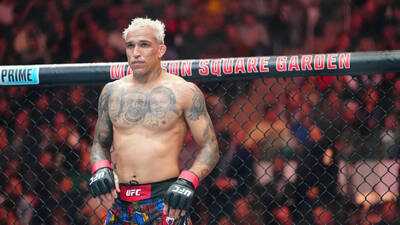
His troubles were not just financial. Oliveira suffered extreme pain and mobility problems as a child before doctors diagnosed him with a rheumatic illness and a heart murmur. His family were told at one stage he may never walk properly again. But treatment and his resolve eventually put him back on the sports pitch, leading to a very different future.
Charles Oliveira’s journey from poverty to UFC gloryOliveira was born on October 17, 1989, in Guarujá, Brazil. He grew up in impoverished neighbourhoods, and his family worked hard to get by. His mother, Ozana Oliveira , was a house cleaner and his father worked at an abattoir. The family lived with several relatives on property belonging to Oliveira's grandmother.
Those circumstances would define Oliveira’s understanding of perseverance long before he set foot inside a professional fight. While his family couldn’t provide the benefits of elite sports development, they were supportive as he sought opportunities.
At the age of seven or eight, Oliveira began to have sharp pains in his bones and ankles. According to ESPN, doctors later diagnosed him with a heart murmur and rheumatoid arthritis, although his family had previously described the condition as bone rheumatism. He was given regular injections and was told not to engage in strenuous physical activity.
It was especially hard on a kid who loved football. But in the end, Oliveira returned to sports. His health journey was a precursor to the barriers he would encounter again and again in his sporting career.
Oliveira was introduced to Brazilian jiu-jitsu by a family friend when he was 12. The sport soon became more than a hobby. He took to training with a vengeance, and soon demonstrated unusual aptitude on the mats, earning a medal within his first month of competition, according to ESPN.
Jiu-jitsu also established the foundation for the style of fighting that would later make Oliveira one of the UFC’s most decorated submission specialists. Eventually, his technical development brought him to mixed martial arts, where he went pro in 2008 before signing with the UFC in 2010.
Charles Oliveira overcame setbacks before reaching UFC championship successOliveira's leap to the UFC didn't instantly kick off the championship run many would later come to tie him to. In August 2010, he debuted in the Octagon against Darren Elkins, winning by submission in 41 seconds. But consistency was hard to come by during his early years in the promotion.
In the beginning of his career, weight control became a big problem. Oliveira fought at featherweight before he moved up to lightweight for good. He chose to fight up a weight class after missing the 145-pound featherweight limit four times, ESPN reported.
The move turned out to be transformational. Rather than allow early career setbacks to define him, Oliveira continued to improve his physical prep and submission-oriented style.
His career started taking a big turn in 2018. He went back to lightweight, where he submitted Clay Guida and rattled off a handful of impressive wins. Beating fighters such as Jim Miller, Nik Lentz, Jared Gordon, Kevin Lee and Tony Ferguson slowly turned Oliveira into a legitimate title contender.
The defining moment came at UFC 262 in May, 2021. Oliveira challenged Michael Chandler for the vacant UFC lightweight title left open by Khabib Nurmagomedov.
Oliveira didn’t look good early in the fight. Chandler hit Oliveira in the first round, but Oliveira survived and came back with renewed aggression for the second round. He dropped Chandler with a left hook and closed out the fight with strikes at:19 of the second round.
Charles Oliveira’s fighting legacy continues beyond UFC championship gloryOliveira’s UFC lightweight championship victory transformed his professional status, but not his connection to Guarujá. His nickname, “Do Bronx,” is a reference to his connection to the neighbourhood and the connotation of being from the favela. UFC has also noted that the nickname came from people calling him the “kid from Do Bronx.”
Oliveira has continued to speak with pride about his origins. According to ESPN, he stayed close to the neighbourhood of his childhood, and saw the community as an integral part of his identity rather than something to run away from after becoming rich.
Oliveira's post-title career is a blend of big wins and tough losses. He lost the lightweight title to Islam Makhachev at UFC 280 in October 2022, but has since rebounded with victories over Beneil Dariush and Michael Chandler. He was later defeated by Arman Tsarukyan and Ilia Topuria before defeating Mateusz Gamrot in 2025.
Oliveira added another milestone in a long career when he defeated Max Holloway by unanimous decision at UFC 326 in March 2026. He is listed as an active fighter on the UFC, where he is credited with 17 UFC submissions and 21 finishes.
For Oliveira, this victory is still important in direct relation to the starting point of the journey. His rise exemplifies how an athlete can turn adversity into motivation while remaining grounded in the community and identity that defined the early chapters of his career.
His troubles were not just financial. Oliveira suffered extreme pain and mobility problems as a child before doctors diagnosed him with a rheumatic illness and a heart murmur. His family were told at one stage he may never walk properly again. But treatment and his resolve eventually put him back on the sports pitch, leading to a very different future.
Charles Oliveira’s journey from poverty to UFC gloryOliveira was born on October 17, 1989, in Guarujá, Brazil. He grew up in impoverished neighbourhoods, and his family worked hard to get by. His mother, Ozana Oliveira , was a house cleaner and his father worked at an abattoir. The family lived with several relatives on property belonging to Oliveira's grandmother.
Those circumstances would define Oliveira’s understanding of perseverance long before he set foot inside a professional fight. While his family couldn’t provide the benefits of elite sports development, they were supportive as he sought opportunities.
At the age of seven or eight, Oliveira began to have sharp pains in his bones and ankles. According to ESPN, doctors later diagnosed him with a heart murmur and rheumatoid arthritis, although his family had previously described the condition as bone rheumatism. He was given regular injections and was told not to engage in strenuous physical activity.
It was especially hard on a kid who loved football. But in the end, Oliveira returned to sports. His health journey was a precursor to the barriers he would encounter again and again in his sporting career.
Oliveira was introduced to Brazilian jiu-jitsu by a family friend when he was 12. The sport soon became more than a hobby. He took to training with a vengeance, and soon demonstrated unusual aptitude on the mats, earning a medal within his first month of competition, according to ESPN.
Jiu-jitsu also established the foundation for the style of fighting that would later make Oliveira one of the UFC’s most decorated submission specialists. Eventually, his technical development brought him to mixed martial arts, where he went pro in 2008 before signing with the UFC in 2010.
Charles Oliveira overcame setbacks before reaching UFC championship successOliveira's leap to the UFC didn't instantly kick off the championship run many would later come to tie him to. In August 2010, he debuted in the Octagon against Darren Elkins, winning by submission in 41 seconds. But consistency was hard to come by during his early years in the promotion.
In the beginning of his career, weight control became a big problem. Oliveira fought at featherweight before he moved up to lightweight for good. He chose to fight up a weight class after missing the 145-pound featherweight limit four times, ESPN reported.
The move turned out to be transformational. Rather than allow early career setbacks to define him, Oliveira continued to improve his physical prep and submission-oriented style.
His career started taking a big turn in 2018. He went back to lightweight, where he submitted Clay Guida and rattled off a handful of impressive wins. Beating fighters such as Jim Miller, Nik Lentz, Jared Gordon, Kevin Lee and Tony Ferguson slowly turned Oliveira into a legitimate title contender.
The defining moment came at UFC 262 in May, 2021. Oliveira challenged Michael Chandler for the vacant UFC lightweight title left open by Khabib Nurmagomedov.
Oliveira didn’t look good early in the fight. Chandler hit Oliveira in the first round, but Oliveira survived and came back with renewed aggression for the second round. He dropped Chandler with a left hook and closed out the fight with strikes at:19 of the second round.
Charles Oliveira’s fighting legacy continues beyond UFC championship gloryOliveira’s UFC lightweight championship victory transformed his professional status, but not his connection to Guarujá. His nickname, “Do Bronx,” is a reference to his connection to the neighbourhood and the connotation of being from the favela. UFC has also noted that the nickname came from people calling him the “kid from Do Bronx.”
Oliveira has continued to speak with pride about his origins. According to ESPN, he stayed close to the neighbourhood of his childhood, and saw the community as an integral part of his identity rather than something to run away from after becoming rich.
Oliveira's post-title career is a blend of big wins and tough losses. He lost the lightweight title to Islam Makhachev at UFC 280 in October 2022, but has since rebounded with victories over Beneil Dariush and Michael Chandler. He was later defeated by Arman Tsarukyan and Ilia Topuria before defeating Mateusz Gamrot in 2025.
Oliveira added another milestone in a long career when he defeated Max Holloway by unanimous decision at UFC 326 in March 2026. He is listed as an active fighter on the UFC, where he is credited with 17 UFC submissions and 21 finishes.
For Oliveira, this victory is still important in direct relation to the starting point of the journey. His rise exemplifies how an athlete can turn adversity into motivation while remaining grounded in the community and identity that defined the early chapters of his career.
Next Story