
The Untold Story of Kabaddi: How an Ancient Indian Game Uses Science to Win Battles

Kabaddi may appear like a simple game of chasing and tagging opponents, but beneath its fast-paced action lies a fascinating combination of science, strategy and human endurance. Played for centuries across Indian villages, this traditional sport has transformed from a local pastime into an internationally recognised competition. The game tests strength, agility, lung capacity, mental sharpness and teamwork, making it a unique example of how ancient knowledge often connects with modern science. From the dusty grounds of rural India to professional leagues watched by millions, kabaddi’s journey reflects the country’s sporting heritage and innovative spirit.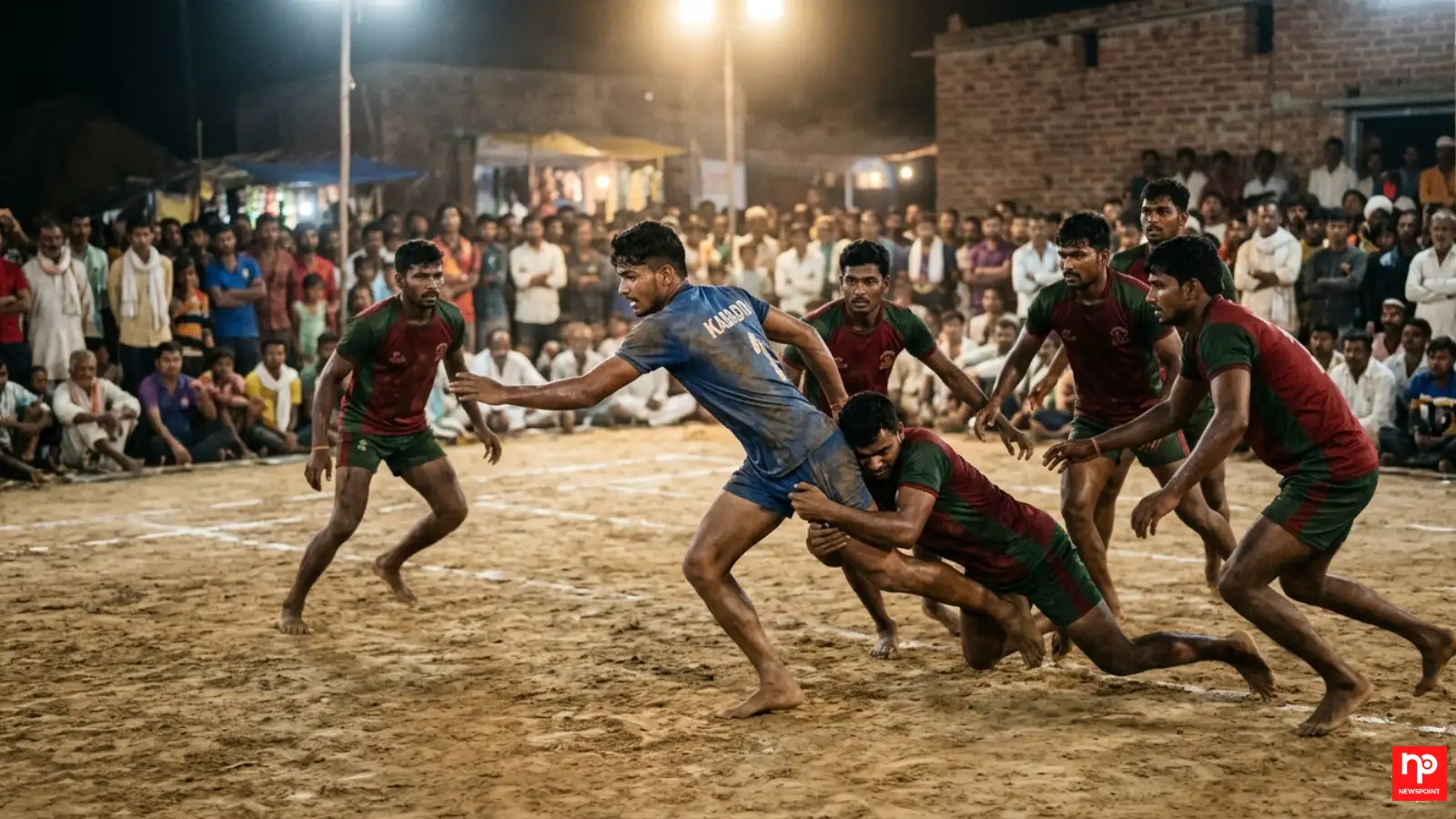
In many regions, kabaddi was more than entertainment. It was considered a way to develop physical fitness and prepare young people for challenges requiring courage, discipline and teamwork. Different states developed their own versions, including forms such as Kabaddi, Kho Kho and regional wrestling-based competitions.
Breath control is another important scientific aspect. Traditionally, players were required to perform a raid while continuously chanting “kabaddi”. This practice naturally trained respiratory control and endurance. Today, professional athletes use specialised fitness programmes to improve oxygen efficiency, muscle strength and recovery time.
The game also depends heavily on biomechanics. Players study body positioning, reaction speed and movement patterns to gain an advantage over opponents. A successful defender must predict the raider’s next move within seconds, making decision-making speed just as important as physical ability.
Coaches analyse player movements frame by frame to understand weaknesses and develop better strategies. Data-driven approaches help teams measure factors such as speed, stamina and injury risks.
The growth of professional competitions like the Pro Kabaddi League has also introduced advanced broadcasting technology, making the sport accessible to a worldwide audience.
Another interesting aspect is that kabaddi has multiple regional styles. In some traditional versions, players competed on open village grounds with fewer formal rules, while modern kabaddi follows structured international regulations.
The sport also became part of major international competitions, helping introduce Indian traditional games to audiences beyond South Asia.
The game also highlights the importance of affordable sports. Unlike many activities requiring expensive equipment, kabaddi needs only a playing area and teamwork, making it accessible to communities across the country.
As interest in indigenous sports grows, kabaddi shows how traditional knowledge can adapt to modern technology without losing its cultural identity.
The Ancient Origins of Kabaddi in India
Kabaddi is one of India’s oldest regional games, with roots believed to stretch back thousands of years. Historical references suggest that variations of the game were played in different parts of the country, particularly in rural communities where physical strength and quick thinking were highly valued.In many regions, kabaddi was more than entertainment. It was considered a way to develop physical fitness and prepare young people for challenges requiring courage, discipline and teamwork. Different states developed their own versions, including forms such as Kabaddi, Kho Kho and regional wrestling-based competitions.
The Hidden Science Behind Kabaddi
The modern understanding of kabaddi reveals a strong connection with sports science. A raider entering the opponent’s half needs explosive speed, balance and precise body control. Every movement involves physics, from changing direction quickly to maintaining stability while escaping defenders.Breath control is another important scientific aspect. Traditionally, players were required to perform a raid while continuously chanting “kabaddi”. This practice naturally trained respiratory control and endurance. Today, professional athletes use specialised fitness programmes to improve oxygen efficiency, muscle strength and recovery time.
The game also depends heavily on biomechanics. Players study body positioning, reaction speed and movement patterns to gain an advantage over opponents. A successful defender must predict the raider’s next move within seconds, making decision-making speed just as important as physical ability.
How Technology Is Changing Traditional Kabaddi
Technology has brought major changes to kabaddi. Professional teams now use video analysis, wearable fitness trackers and performance monitoring systems to improve training methods.Coaches analyse player movements frame by frame to understand weaknesses and develop better strategies. Data-driven approaches help teams measure factors such as speed, stamina and injury risks.
The growth of professional competitions like the Pro Kabaddi League has also introduced advanced broadcasting technology, making the sport accessible to a worldwide audience.
You may also like
- 'Unfortunately, there isn't a slot': Ex-India captain's blunt verdict on Ishan Kishan
- Dropped England Test captain Stokes to turn out for Durham in County Championship
- Heartbroken tennis star calls for rule change after being kicked out of tournament
- PGTI NexGen Varanasi: Sunit Chowrasia completes hat-trick of wins with four-shot victory
- Win an ICC title, earn 500% extra: Pakistan cricket's new reward plan for players
Lesser-Known Facts About Kabaddi
One surprising fact about kabaddi is that the game requires both physical power and psychological control. Many matches are decided not by the strongest player but by the athlete who can remain calm under pressure.Another interesting aspect is that kabaddi has multiple regional styles. In some traditional versions, players competed on open village grounds with fewer formal rules, while modern kabaddi follows structured international regulations.
The sport also became part of major international competitions, helping introduce Indian traditional games to audiences beyond South Asia.
Why Kabaddi Matters Today
Kabaddi represents more than athletic competition. It connects modern sports culture with India’s regional traditions and provides opportunities for athletes from smaller towns and villages.The game also highlights the importance of affordable sports. Unlike many activities requiring expensive equipment, kabaddi needs only a playing area and teamwork, making it accessible to communities across the country.
As interest in indigenous sports grows, kabaddi shows how traditional knowledge can adapt to modern technology without losing its cultural identity.






More from our partners


Loving Newspoint? Download the app now
