
How a Cricket Bat Is Made from a Willow Tree

How a cricket bat is made is an interesting process that combines traditional craftsmanship with carefully selected wood. Most high-quality cricket bats are crafted from English willow, scientifically known as Salix alba var. caerulea, which is primarily grown in England and parts of Kashmir. This special variety of willow is preferred for its lightweight structure, strength and ability to absorb the impact of a fast-moving cricket ball. From selecting the right willow tree to shaping, pressing and finishing the wood, cricket bat manufacturing involves several precise steps.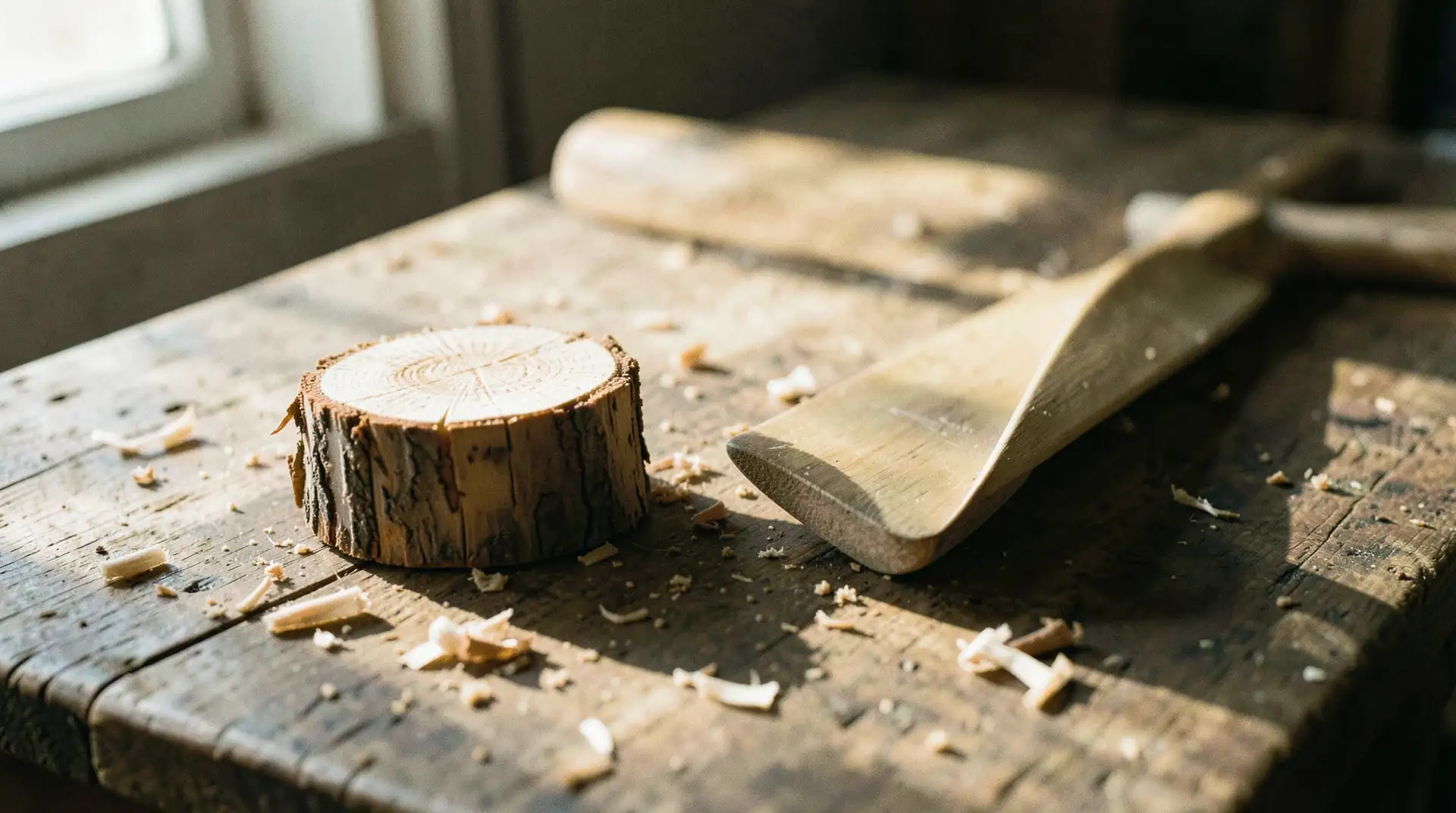
A finished cricket bat is the result of a tree's decade and a half of growth, months of careful drying, and hours of hand-shaping, with the final preparation left to the person who will use it. The wood, the cane, the splice, and the pressing are each solving the same problem from a different angle: how to transfer the force of a fast bowler into a controlled shot without the bat giving way. Every step in the process is an answer to that question.
From Tree to Cleft: How a Cricket Bat Is Made
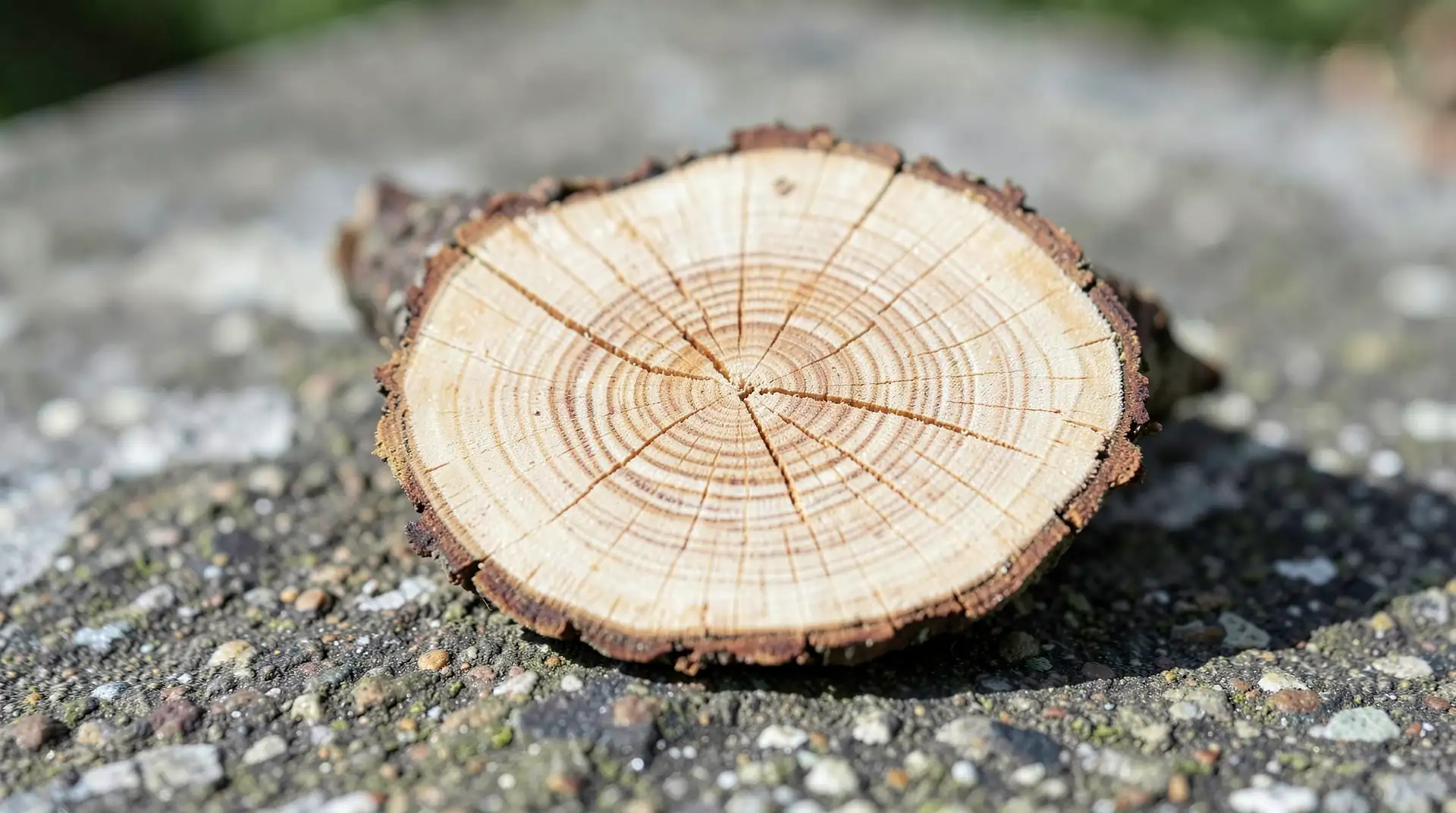
A cricket-bat willow takes roughly fifteen years to reach a harvestable size. Once felled, the trunk is not sawn into planks the way most timber is processed. It is split radially, cut along the grain from the outside toward the centre, like slicing a pie. These wedge-shaped pieces are called clefts. Splitting along the grain rather than across it preserves the long fibres that give the bat its resilience. A sawn cut would sever those fibres and produce a bat that cracks under impact.Seasoning and Shaping
A freshly split cleft holds a great deal of moisture. Before any shaping begins, the cleft is left to season, dried slowly, usually for six months to a year, in a controlled environment. Rush-drying in a kiln can cause the wood to warp or develop internal stresses, so most quality bat-makers still use slow air-drying. Once the moisture content drops to around twelve to fifteen percent, the cleft is ready for the lathe and the drawknife. A craftsman called a bat-maker shapes the blade, the shoulders, and the handle socket by hand, reading the grain as he works. The blade's face stays flat; the back is shaped into the characteristic ridges and spine that distribute mass without adding weight.The Handle and the Splice
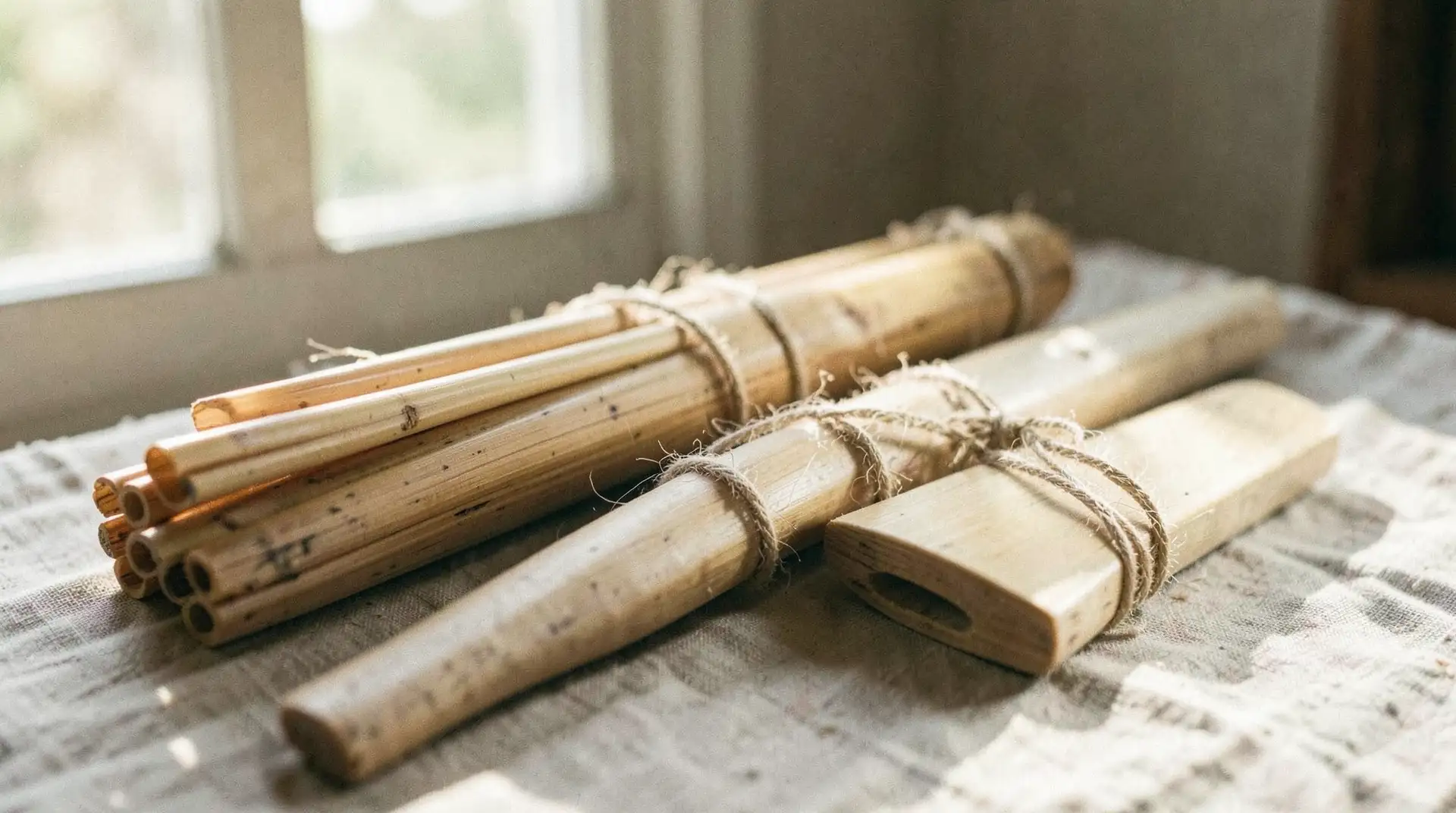
The handle is a separate piece entirely, made from cane, most often Manau cane from Southeast Asia, bound with rubber strips and twine. Cane is used because it acts as a natural shock absorber, dampening the vibration that travels up the blade on impact. The handle is fitted into the socket at the top of the blade through a V-shaped joint called the splice, glued under pressure. A well-made splice is invisible once the bat is finished and is one of the main points a buyer checks: a poorly fitted splice is where bats fail under stress.Pressing and Knocking In
Before a bat reaches a player, the face of the blade is pressed with a heavy roller. Pressing compacts the surface fibres, making them denser and more resistant to the initial impact of a hard ball. Even after pressing, a new bat needs to be knocked in, struck repeatedly with a wooden mallet or an old ball, for several hours before it is used in play. This process continues the compression of the surface fibres and reveals any weak spots in the wood before a match does. A bat that has not been knocked in properly is far more likely to crack on its first serious edge. The knocking-in step is not a ritual or a superstition; it is the final stage of manufacturing, just done by the player rather than the factory.Grading the Wood
Not all willow is equal, and bat-makers grade their clefts before shaping begins. The grade reflects the number of grains visible on the face, the annual growth rings running vertically down the blade. A higher number of tight, evenly spaced grains generally indicates wood that grew slowly and steadily, which tends to be more consistent in density. Fewer, wider grains suggest faster growth and sometimes a softer, less predictable wood. Grading is a guide, not a guarantee: some of the best-performing bats have come from wood that graded lower on paper. The grain count tells you something about the tree's history. Only use tells you what the bat will do.A finished cricket bat is the result of a tree's decade and a half of growth, months of careful drying, and hours of hand-shaping, with the final preparation left to the person who will use it. The wood, the cane, the splice, and the pressing are each solving the same problem from a different angle: how to transfer the force of a fast bowler into a controlled shot without the bat giving way. Every step in the process is an answer to that question.