
Why a Hockey Stick Is Flat on Only One Side

Why is a hockey stick flat on only one side? Unlike cricket bats or tennis racquets, a field hockey stick has a distinct flat face and a rounded back, making it one of the most unusual pieces of sports equipment. Players must use the flat side to control, pass and strike the ball, while using the rounded side is generally prohibited. But this unique design is not just about following the rules. It is closely linked to the history, technique and evolution of field hockey.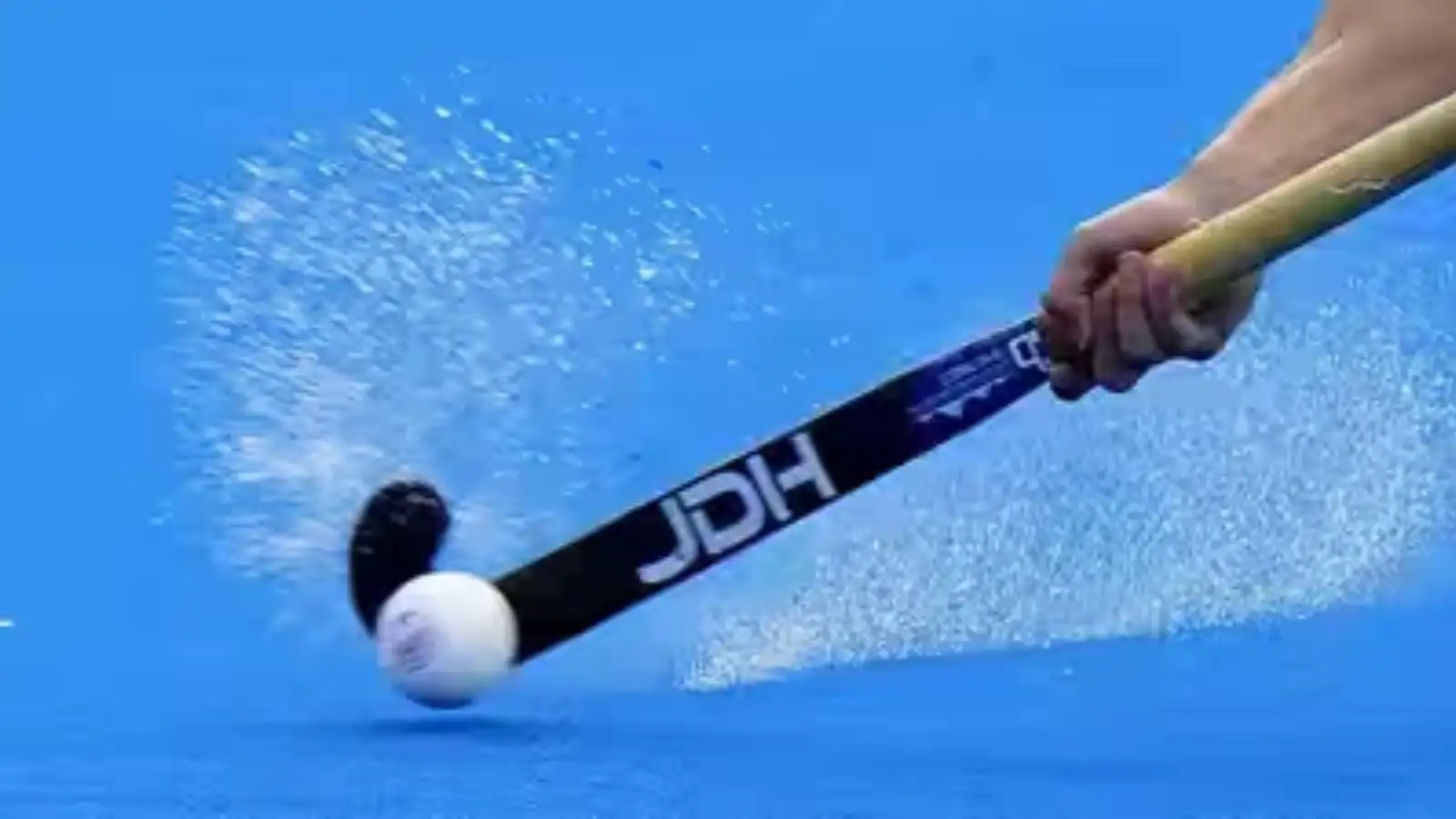
The stick was not designed flat on one side and then restricted, the rule and the shape evolved together, each reinforcing the other. The flat face gives the player a predictable, controllable striking surface. The curved back, if permitted, would allow a completely different set of shots and angles that the game's architects specifically did not want.
On a rounded surface, the point of contact shifts depending on where the ball meets the curve, making fine control much harder. The flat face also transfers force more efficiently during a hit, because more of the surface area meets the ball at the same moment rather than glancing off a curve.
Modern sticks are laminated composites of fibreglass, carbon fibre, and aramid, but the geometry is preserved because the rule requires it and because the shape has proven mechanically sound across more than a century of play.
The player rotates the stick so the flat face alternates between the ball's left and right sides in quick succession. Because only the flat face may touch the ball, the player must rotate their wrists and forearms through a wide arc to keep the legal surface in contact throughout the movement. That physical demand is what makes the Indian dribble so difficult to learn and so effective when mastered, the defender must track not just the ball but the continuous rotation of the stick.
Composite manufacturing actually makes it easier to produce a more precisely flat face, with a controlled concavity built into the mould, so modern sticks conform to the rule more accurately than their wooden predecessors. The rule is old; the stick keeps getting better at following it.
The flat face and the rule that requires it are not separate facts about hockey, they are one fact. The shape of the stick is the law made physical, and every legal touch a player takes is a small act of compliance with a design decision made long before composite materials or synthetic pitches existed. The game looks the way it does, in part, because one side of a wooden hook happened to be flat.
The Rule That Made the Shape
The Laws of Hockey, maintained by the International Hockey Federation, state that a player may only use the flat face of the stick to play the ball. The rounded back is off-limits. This has been a foundational rule since organised field hockey began codifying its laws in the nineteenth century.The stick was not designed flat on one side and then restricted, the rule and the shape evolved together, each reinforcing the other. The flat face gives the player a predictable, controllable striking surface. The curved back, if permitted, would allow a completely different set of shots and angles that the game's architects specifically did not want.
What the Flat Side Actually Does
The flat face of a hockey stick is not perfectly flat in the modern game, it has a slight concavity that helps cradle the ball during a push pass or a drag-flick. But its defining characteristic is that it presents a consistent, angled surface to the ball. When a player dribbles, the flat face lets them tap the ball left and right with fine control because the contact point is predictable every time.On a rounded surface, the point of contact shifts depending on where the ball meets the curve, making fine control much harder. The flat face also transfers force more efficiently during a hit, because more of the surface area meets the ball at the same moment rather than glancing off a curve.
You may also like
- AK47 finds the target: Relentless Anshul Kamboj reaps benefits of better planning
- Had manifested I'd be the one to get Sooryavanshi's wicket, says UAE spinner Uddish Suri
- PV Sindhu Takes Break Ahead of BWF World Tour Finals, Emphasizes Body Care
- ICC Rankings: Starc reclaims top spot in Test, Iyer moves to seventh in T20Is
- Bennett to lead Zimbabwe in Afghanistan Tests
Why the Curve Exists at All
The rounded back is not an accident. It is the natural result of how a hockey stick is constructed. Traditional sticks were made from a single piece of mulberry or ash wood, shaped so the grain ran along the length for strength. Bending and shaping that piece of wood into a hook at the toe produced a rounded outer surface as a geometric consequence, you cannot have a flat face on one side of a curved hook without a rounded face on the other.Modern sticks are laminated composites of fibreglass, carbon fibre, and aramid, but the geometry is preserved because the rule requires it and because the shape has proven mechanically sound across more than a century of play.
The Hook and the Indian Dribble
The pronounced curve at the toe of the stick, the hook, is where the flat-face rule becomes most visible in skilled play. The Indian dribble, the rapid side-to-side weaving movement that Indian and Pakistani players brought to international hockey in the mid-twentieth century, depends entirely on the flat face.The player rotates the stick so the flat face alternates between the ball's left and right sides in quick succession. Because only the flat face may touch the ball, the player must rotate their wrists and forearms through a wide arc to keep the legal surface in contact throughout the movement. That physical demand is what makes the Indian dribble so difficult to learn and so effective when mastered, the defender must track not just the ball but the continuous rotation of the stick.
Composite Sticks and the Same Old Rule
The shift from wood to composite materials changed almost everything about how a hockey stick performs, stiffness, weight distribution, the power a player can generate on a drag-flick. Carbon fibre sticks can transfer energy from a drag-flick into the ball far more efficiently than any wood stick could. But the flat-face rule remained unchanged through all of it.Composite manufacturing actually makes it easier to produce a more precisely flat face, with a controlled concavity built into the mould, so modern sticks conform to the rule more accurately than their wooden predecessors. The rule is old; the stick keeps getting better at following it.
The flat face and the rule that requires it are not separate facts about hockey, they are one fact. The shape of the stick is the law made physical, and every legal touch a player takes is a small act of compliance with a design decision made long before composite materials or synthetic pitches existed. The game looks the way it does, in part, because one side of a wooden hook happened to be flat.






Loving Newspoint? Download the app now
