
Why Tennis Balls Turned Yellow in the 1970s

White tennis balls disappeared from professional courts within a few years of each other, and most players at the time barely noticed the switch. The ball felt the same. The game played the same. What changed was who was watching, and on what.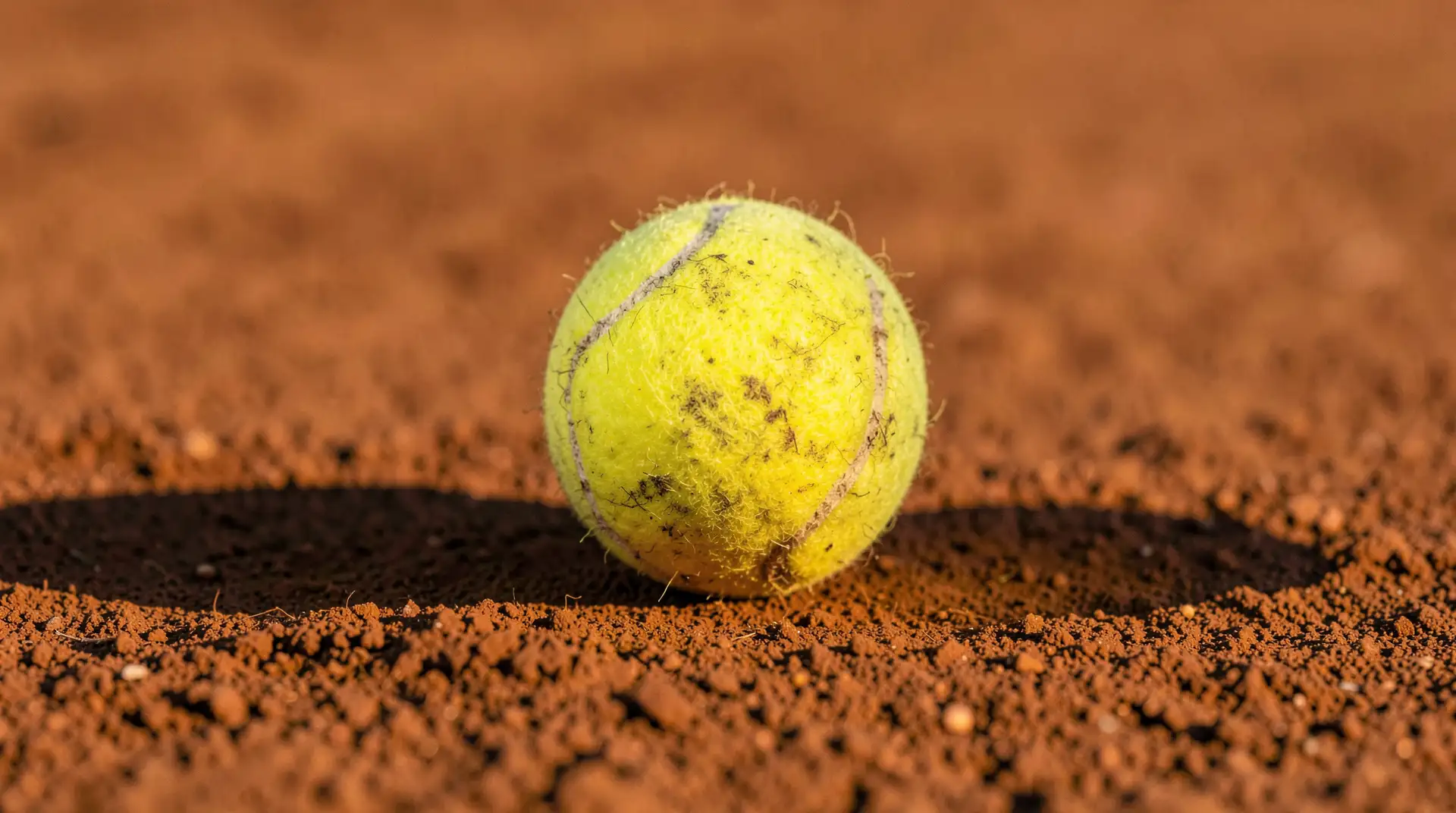
Producers tried camera angles, tried slower frame rates, tried nothing that worked. The ball was the variable they had not changed.
Grass, clay, hard court, the crowd, the sky: optic yellow reads against all of them. White does not. The ITF standardised the colour in 1972. Wimbledon resisted for years and continued using white balls until 1986, which is why the change feels gradual in memory even though the rule came early.
The dye bonded to the wool fibres without changing the surface texture or the ball's flight characteristics. This mattered because any change to the felt that altered drag would have changed the game itself. The colour was added to what was already there, not substituted for it.
The counterargument, which eventually won, was practical: television audiences were growing faster than any other segment of the sport's viewership, and losing the ball on a grass court, the hardest background of all for a white ball, was costing the broadcast quality that sponsors and broadcasters were paying for. Tradition bent to visibility, as it usually does when money is involved.
A colour chosen for a 1970s television problem turns out to work just as well on a phone screen, a streaming feed, or a stadium jumbotron. The eye's preference for that frequency did not change when the technology around it did. The ball found its colour once, and the colour held.
The Problem with White on a Screen
Television broadcast tennis long before colour sets became common, and white balls on white court lines against pale backgrounds created a tracking problem that commentators could describe but cameras could not fix. A white ball travelling at pace blurred into the surface behind it. Viewers lost the flight path.Producers tried camera angles, tried slower frame rates, tried nothing that worked. The ball was the variable they had not changed.
Why Optic Yellow
The International Tennis Federation commissioned research in the early 1970s to find a colour the human eye picks up fastest in motion. Optic yellow, sometimes called fluorescent yellow or chartreuse, sits at the edge of the visible spectrum where the eye's sensitivity peaks. It is not the brightest colour in the way red or orange is bright. It is the colour the eye resolves most quickly when something is moving fast across a varied background.Grass, clay, hard court, the crowd, the sky: optic yellow reads against all of them. White does not. The ITF standardised the colour in 1972. Wimbledon resisted for years and continued using white balls until 1986, which is why the change feels gradual in memory even though the rule came early.
You may also like
- Kavya Yadav, Rabeeb Ali Khan qualify for TPL Road to Australian Open final
- Manipur CM felicitates Youth Olympic gold medallist Lairenlakpam Ambekar Meetei
- Mohit Ulwa Joins Saurashtra Team for Syed Mushtaq Ali Trophy After U-19 Asia Cup Heroics
- 'I was waiting for him to bowl there': Arshdeep Singh reveals secret behind crucial late-order sixes
- 'This 100 is for you!': Litton Das turns daughter's birthday into a special occasion with emotional celebration
The Felt Is Part of the Answer Too
The yellow dye was applied to the felt, not to the rubber core. Felt already served an aerodynamic function, its texture creates drag that slows the ball to a speed a rally can sustain.The dye bonded to the wool fibres without changing the surface texture or the ball's flight characteristics. This mattered because any change to the felt that altered drag would have changed the game itself. The colour was added to what was already there, not substituted for it.
What Wimbledon's Resistance Tells Us
Wimbledon's fourteen-year holdout is worth understanding on its own terms. The club argued that white matched the tradition of the tournament, where players wore white and the aesthetic was deliberate.The counterargument, which eventually won, was practical: television audiences were growing faster than any other segment of the sport's viewership, and losing the ball on a grass court, the hardest background of all for a white ball, was costing the broadcast quality that sponsors and broadcasters were paying for. Tradition bent to visibility, as it usually does when money is involved.
The Colour That Stayed
Optic yellow has not been seriously challenged since. Experimental colours have been tested at minor events, and some recreational balls come in orange for low-compression junior play. But the professional game settled on yellow because it solved the original problem completely and introduced no new ones.A colour chosen for a 1970s television problem turns out to work just as well on a phone screen, a streaming feed, or a stadium jumbotron. The eye's preference for that frequency did not change when the technology around it did. The ball found its colour once, and the colour held.






Loving Newspoint? Download the app now
