
What Declaring an Innings Means in Cricket and Why Captains Do It

Cricket is the only major team sport where the captain can voluntarily end his own team's turn to score. That choice, called a declaration, is one of the most revealing decisions in the game, because it trades the certainty of more runs for the chance of a result.
The calculation involves three numbers: how many runs ahead the team is, how many overs remain in the match, and how quickly the pitch is expected to deteriorate. A crumbling pitch that spins or seams sharply by the fourth day changes the arithmetic entirely. A lead that looks modest on a flat pitch can become unassailable once the surface starts misbehaving.
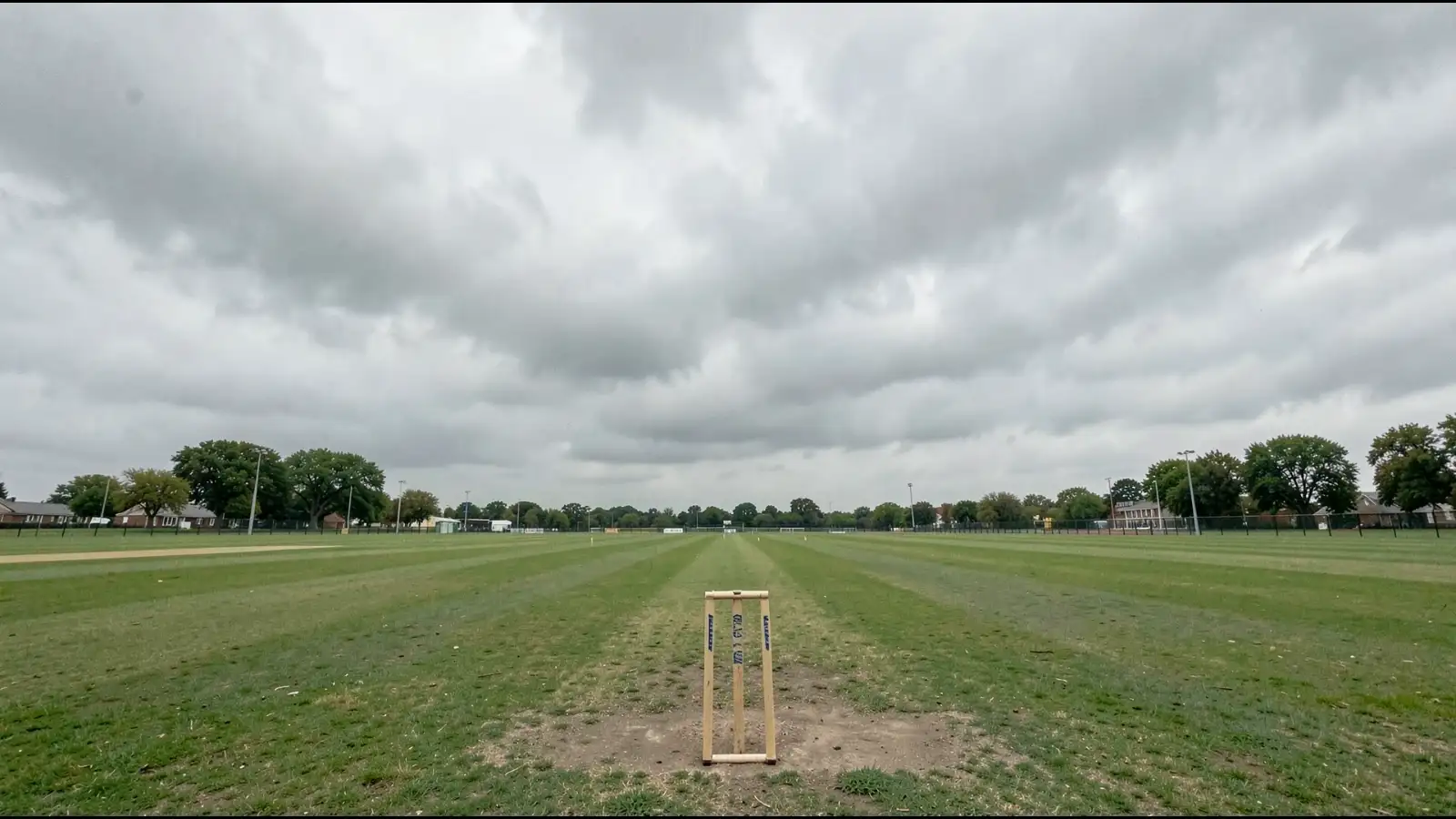
Rain is the hidden variable. A captain who declares with two sessions to play can lose both to a downpour and watch a winnable match slip into a draw. This is why declarations in overcast conditions or late in a day's play are treated with particular caution.
What makes the number meaningful is not its size in isolation but how many overs remain. A target of 280 in 70 overs is a genuine contest. The same 280 in 30 overs is beyond reach for any side playing responsibly. Captains and their analysts often work backward from the overs available to decide what total gives them the best chance of a result either way.
The declaration is also a statement about what cricket is for. A captain who never declares, who bats his side into safety and then defends for a draw, is playing within the rules but against the spirit that makes Test cricket worth watching. The willingness to declare, to accept risk in pursuit of a result, is what separates a Test match from an exercise in accumulation.
What a Declaration Actually Is
A declaration happens when the batting captain signals to the umpires that his innings is closed, even though wickets remain in hand. The moment he declares, his team switches to the field and the opposition begins batting. No rule forces the moment; the captain picks it himself. Declarations are only allowed in first-class and Test cricket, where each side can bat twice. In limited-overs formats, One Day Internationals and T20s, every over is used and the concept does not exist.Why Would Any Captain Stop Batting Early
The answer is time. A Test match lasts a fixed number of days, and a result, a win, requires bowling the opposition out. If a team bats until the last possible moment, it may set a target so late that the opposition simply defends for a draw. The captain declares when he believes his total is large enough to be uncatchable and there are enough overs left to bowl the other side out twice.The calculation involves three numbers: how many runs ahead the team is, how many overs remain in the match, and how quickly the pitch is expected to deteriorate. A crumbling pitch that spins or seams sharply by the fourth day changes the arithmetic entirely. A lead that looks modest on a flat pitch can become unassailable once the surface starts misbehaving.
The Risk Built Into the Decision
Every declaration carries a genuine gamble. Declare too early and the opposition chases the target down, the captain has handed them a win. Declare too late and there is not enough time to bowl them out, the match ends in a draw that could have been a victory. The captain is essentially betting his judgment against the batting ability of eleven opponents and the unpredictability of the weather and the pitch.Rain is the hidden variable. A captain who declares with two sessions to play can lose both to a downpour and watch a winnable match slip into a draw. This is why declarations in overcast conditions or late in a day's play are treated with particular caution.
How Captains Set the Target
The target a team sets is not simply its lead. Because each side bats twice, the arithmetic can get complicated. If Team A scores 350 in its first innings and Team B replies with 200, Team A leads by 150. If Team A then bats again and declares on 300 for 5, Team B needs 451 to win, 150 plus 300 plus one. The target is always the combined deficit plus one run.What makes the number meaningful is not its size in isolation but how many overs remain. A target of 280 in 70 overs is a genuine contest. The same 280 in 30 overs is beyond reach for any side playing responsibly. Captains and their analysts often work backward from the overs available to decide what total gives them the best chance of a result either way.
What It Tells You About a Captain
A declaration is one of the few moments in cricket where a captain's character becomes visible. A conservative captain declares late, protecting the result but reducing the chance of a win. An aggressive captain declares early, accepting the risk of losing to maximise the chance of winning. Some of the most celebrated declarations in Test history were made with a lead that seemed dangerously small, and they worked because the pitch, the bowling attack, and the pressure on the chasing side combined in ways the captain had read correctly.The declaration is also a statement about what cricket is for. A captain who never declares, who bats his side into safety and then defends for a draw, is playing within the rules but against the spirit that makes Test cricket worth watching. The willingness to declare, to accept risk in pursuit of a result, is what separates a Test match from an exercise in accumulation.
Next Story