
How Grass, Clay and Hard Courts Change a Tennis Ball's Bounce

A tennis ball travels through the air the same way on every surface. The moment it lands, the surface takes over. What happens in that fraction of a second, the compression, the friction, the release, determines the height of the bounce, the speed off the ground, and the angle the ball arrives at a player's racquet. Three surfaces, three completely different physics problems.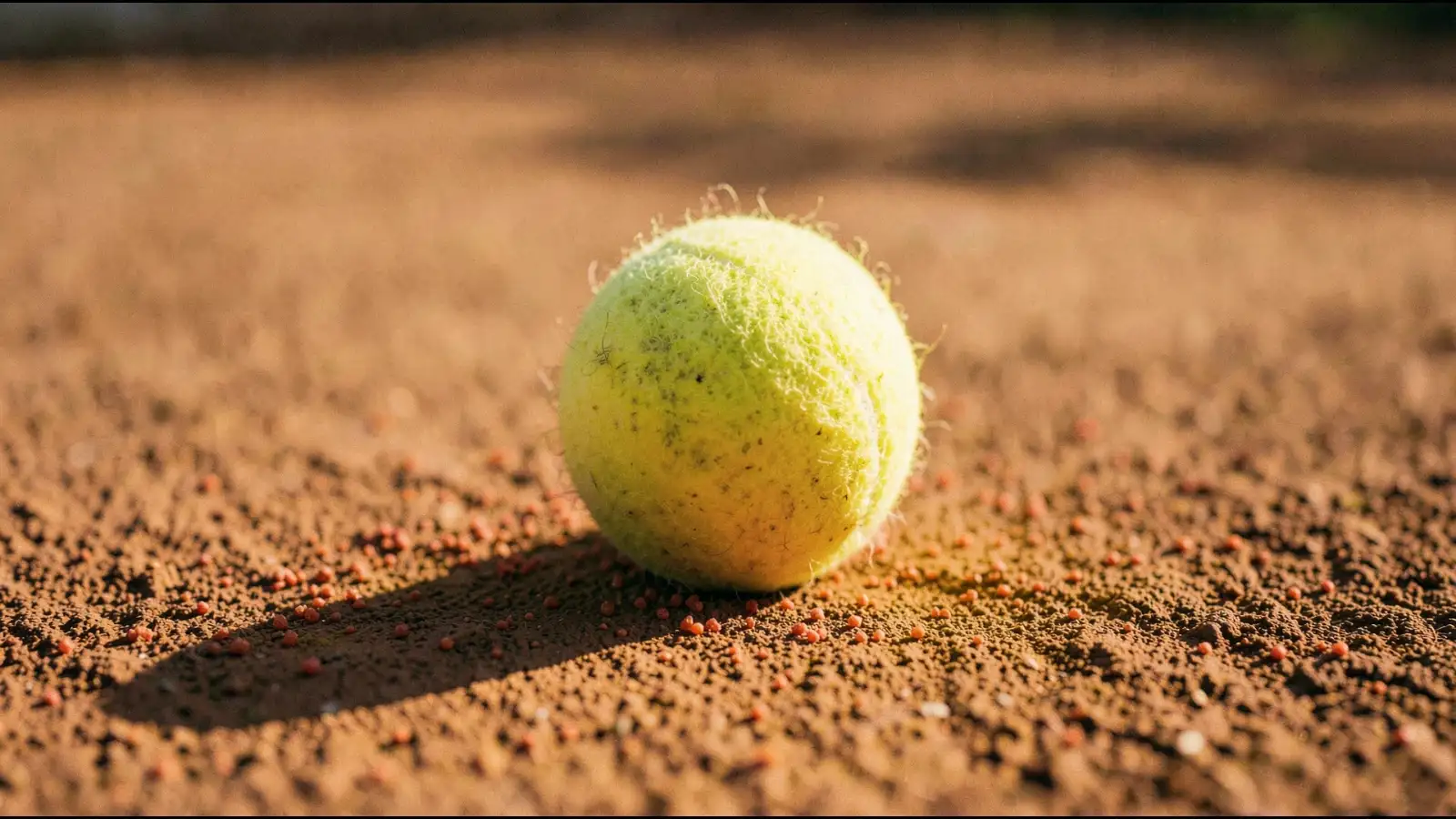
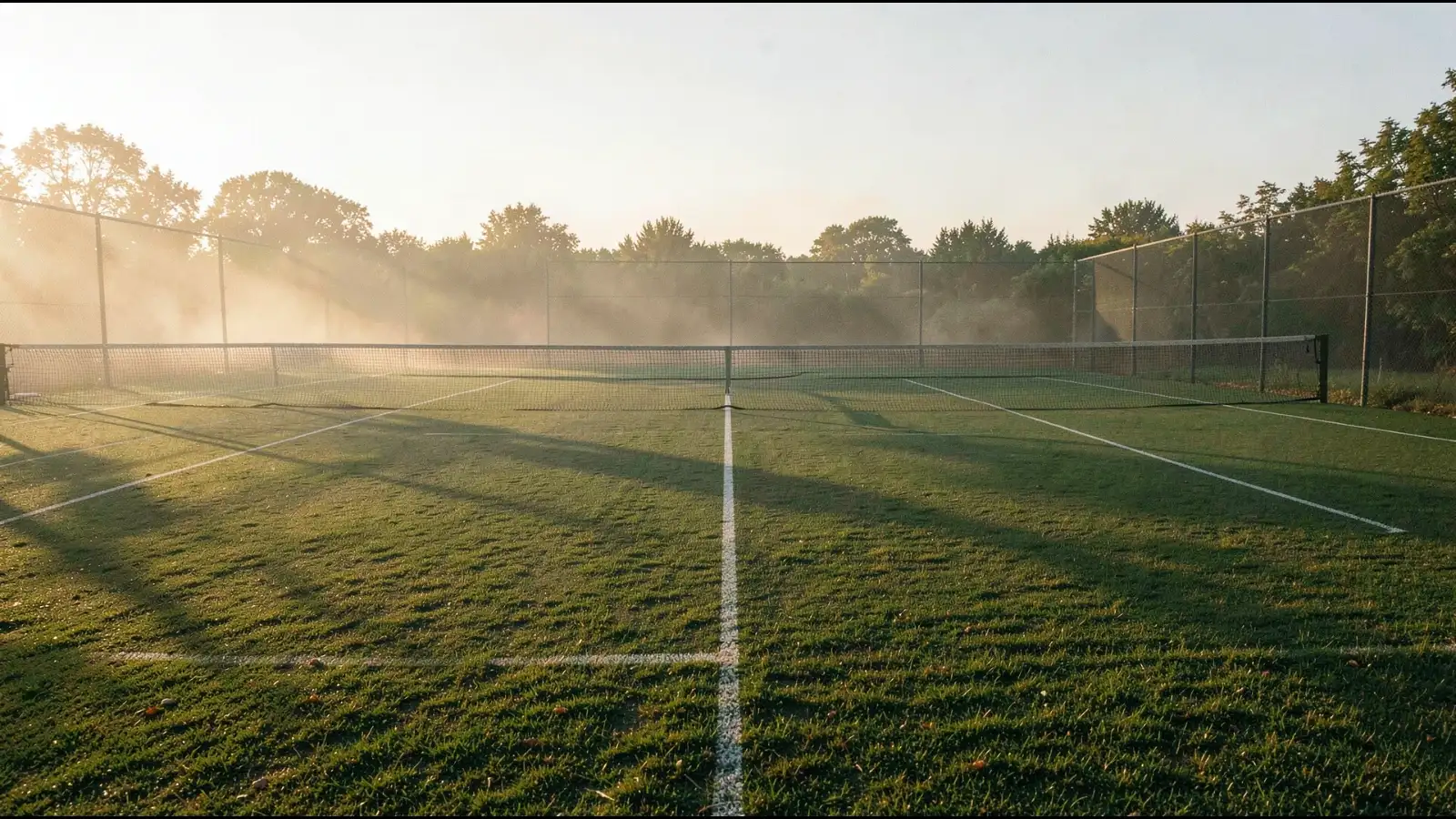
That is not spin doing the work, it is the surface refusing to convert forward energy into upward energy. Topspin, which depends on the ball biting the surface and jumping, loses much of its value on grass. A heavy topspin forehand that would sit up invitingly on clay skids through at ankle height instead. This is why grass rewards serve-and-volley play and flat, penetrating ball-striking. The physics leaves less time to react and less height to work with.
This is why heavy topspin is the dominant weapon on clay. A ball hit with extreme topspin on clay does not just clear the net safely, it lands, grips, and launches upward into a zone that forces a defensive reply from well above the striker's comfort height. The loose granular layer also slows the ball's pace through the air slightly, because the surface absorbs some energy on impact rather than returning it elastically. Rallies are longer because neither player can hit through the surface's grip. The clay is doing active work against pace and in favour of spin.
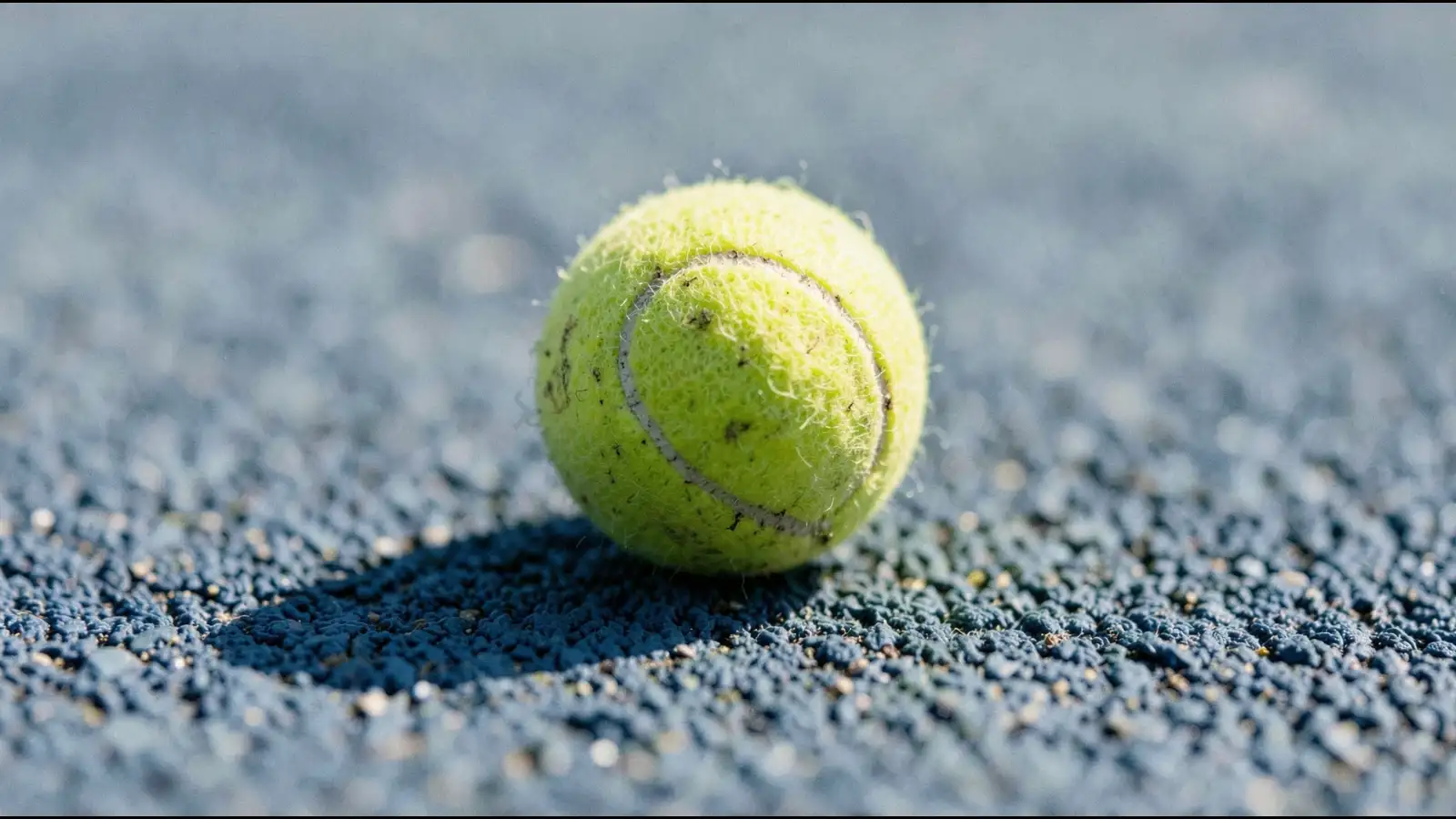
There is no skid, no excessive grip, and no soft granular layer to absorb energy unpredictably. Because the surface is rigid and returns energy efficiently, the ball comes off the ground faster than on clay, though not as fast as the skid on grass. Hard courts are the surface where raw pace matters most, because the ball's speed is preserved rather than dampened. They are also the surface where reading the bounce is hardest to excuse, the ball does what geometry says it should, every time.
Surface physics explains something that pure talent cannot: why a player who dominates on one surface can look ordinary on another. The bounce they have trained their footwork, their timing, and their swing path around behaves differently the moment the surface changes. Grass, clay, and hard courts are not just different venues for the same sport. They are three different games sharing a rulebook.
Grass: The Surface That Steals Friction
Grass is the oldest playing surface in lawn tennis, and the one that most confounds new watchers. The ball does not bounce so much as skid. When a ball strikes short, dense grass, the blades compress and the ball slides forward with very little grip. The coefficient of friction is low, which means the ball loses less horizontal speed but gains very little upward kick. The result is a bounce that stays low and accelerates through the hitting zone rather than sitting up. A flat serve on grass can reach the receiver while barely rising above knee height.That is not spin doing the work, it is the surface refusing to convert forward energy into upward energy. Topspin, which depends on the ball biting the surface and jumping, loses much of its value on grass. A heavy topspin forehand that would sit up invitingly on clay skids through at ankle height instead. This is why grass rewards serve-and-volley play and flat, penetrating ball-striking. The physics leaves less time to react and less height to work with.
Clay: The Surface That Grips and Launches
Clay courts are made from crushed brick, shale, or stone, a granular, slightly loose surface that does the opposite of grass. When a ball lands on clay, the surface particles grip the felt and generate high friction. That friction converts a large share of the ball's forward momentum into upward momentum. The bounce is slower off the ground but significantly higher, often reaching shoulder height or above on a topspin shot.This is why heavy topspin is the dominant weapon on clay. A ball hit with extreme topspin on clay does not just clear the net safely, it lands, grips, and launches upward into a zone that forces a defensive reply from well above the striker's comfort height. The loose granular layer also slows the ball's pace through the air slightly, because the surface absorbs some energy on impact rather than returning it elastically. Rallies are longer because neither player can hit through the surface's grip. The clay is doing active work against pace and in favour of spin.
Hard Courts: The Predictable Middle
Hard courts, acrylic or polyurethane coatings over concrete or asphalt, sit between grass and clay in friction, but their defining quality is consistency. The bounce is repeatable. A ball lands and leaves at a predictable angle, roughly equal to the angle of incidence, with a medium-height kick.There is no skid, no excessive grip, and no soft granular layer to absorb energy unpredictably. Because the surface is rigid and returns energy efficiently, the ball comes off the ground faster than on clay, though not as fast as the skid on grass. Hard courts are the surface where raw pace matters most, because the ball's speed is preserved rather than dampened. They are also the surface where reading the bounce is hardest to excuse, the ball does what geometry says it should, every time.
Why Felt Matters Too
The ball itself is not passive in this equation. Tennis balls are covered in a woven felt that interacts with each surface differently. On clay, the felt picks up a thin layer of dust that slightly reduces friction on subsequent bounces within a rally. On grass, the felt flattens and compresses as blades press against it, reducing the grip further. On hard courts, the felt wears down over sets of play, and a worn ball bounces faster and lower than a fresh one because the smoother surface generates less friction. Tournament organisers account for this by changing balls at set intervals. The ball and the surface are always negotiating, and neither is constant across a full match.Surface physics explains something that pure talent cannot: why a player who dominates on one surface can look ordinary on another. The bounce they have trained their footwork, their timing, and their swing path around behaves differently the moment the surface changes. Grass, clay, and hard courts are not just different venues for the same sport. They are three different games sharing a rulebook.
Next Story