
Why Cricket Stumps Have Bails and Why They Must Fall to Dismiss a Batter

Cricket has been played for centuries, and yet one of its most specific rules still catches people off guard: hitting the stumps is not enough. The bails have to fall. That single condition, small enough to overlook on a slow afternoon, carries the entire weight of how the game decides an out.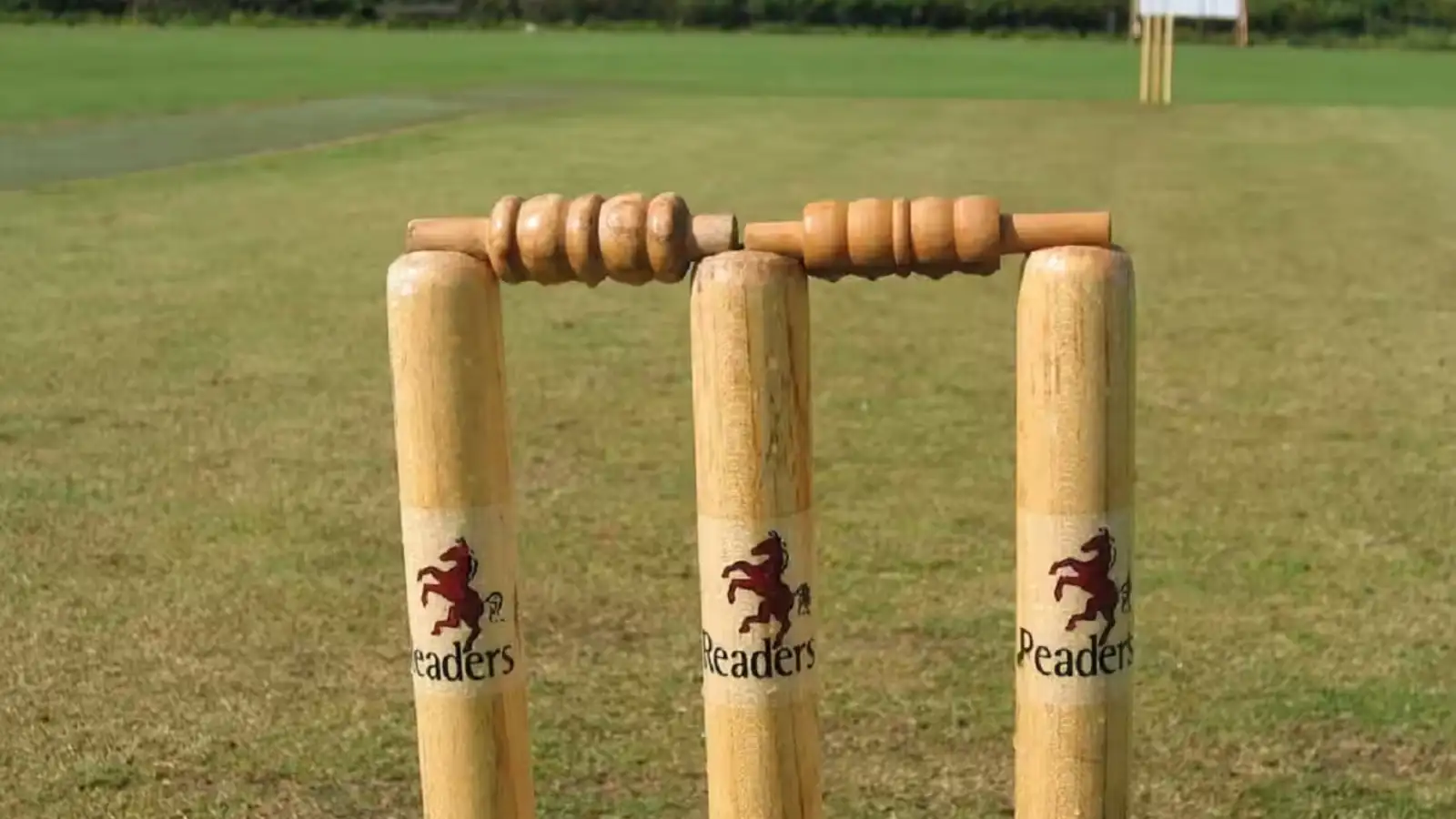
What the Bail Actually Does
A bail is a small, grooved piece of willow that sits in the notch on top of each stump. Two bails bridge the three stumps, and together they complete what the laws call the wicket. The bail exists because a stump driven into the ground cannot be dislodged cleanly by a ball, the earth holds it. Early cricket needed a visible, movable signal to confirm that the wicket had been properly broken. The bail became that signal. When it falls, the wicket is broken. When it stays, however firmly the ball hit the wood below, the wicket stands and the batter lives.The Law Behind the Fall
The Laws of Cricket, maintained by the Marylebone Cricket Club since the eighteenth century, are precise on this point. A batter is out bowled, run out, stumped, or hit wicket only when the wicket is put down, and the wicket is put down only when a bail is completely removed from the top of the stumps, or a stump is struck out of the ground. Both conditions matter. A ball that clips the stump and dislodges a bail halfway but leaves it resting in its groove is not out. The bail must leave the top of the stumps entirely. This is not a technicality added later; it is the original intent. The bail's job is to fall, and only falling counts.You may also like
- In 2026,WNBA generated $608 million in sponsor value, with Caitlin Clark's Indiana Fever driving $205 million, over one-third of broadcast returns, despite playing in just 13% of games, while Atlanta Dream powered major team-level deals
- South Africa Takes Commanding Lead Against Bangladesh in First Test
- OCA seeks final input to reschedule Doha Asian Games from 2030 to 2031
- Pakistan Takes 227-Run Lead in Second Test Against Sri Lanka
- Effective Implementation Of Ayushman Scheme: Strict Action Against Hospitals Refusing Treatment
When the Bail Refuses to Fall
Wind is the most common reason a bail stays put when it should not. In exposed grounds, especially in coastal cities and high-altitude venues, bails blow off between deliveries, which stops play and irritates everyone. Heavier bails exist for windy conditions, and the laws permit their use. The opposite problem is the bail that survives a direct hit, a ball that strikes the stump at a shallow angle, or grazes it, can fail to transfer enough force upward. A bail sitting snugly in a deep groove may rock and settle back. The batter walks away. This is not a flaw in the rule; it is the rule doing exactly what it was designed to do. The wicket must be broken, not merely threatened.Zing Bails and the LED Era
Floodlit cricket created a new problem: in low light and at pace, neither the on-field umpire nor the television official could always confirm the exact moment a bail left the stumps. The Zing bail, introduced in the 2010s, solved this by embedding a small circuit and LED lights inside the bail. The lights glow orange when the bail is in place and switch off the instant the circuit breaks, which happens the moment the bail lifts from the stump. The gap between ball contact and bail displacement can be a few milliseconds. The Zing bail makes that gap visible. The underlying law did not change. The technology simply made the existing condition, bail must leave stumps, possible to verify at high speed.Why This Rule Shapes the Game
The bail condition is not administrative tidiness. It changes the way cricket is played. A yorker that hits the base of the stump risks less bail displacement than a ball that strikes higher. A stumping requires the wicketkeeper to sweep the bails off cleanly, not just touch the stumps. A run-out at the bowler's end, where the fielder hits the stumps directly, depends entirely on whether the impact carries enough force upward. Every fielder who has ever thrown down the stumps and looked anxiously at the bails knows what is at stake. The bail sits there, light enough to blow off in a sea breeze, heavy enough to survive a glancing blow, and the entire architecture of dismissal rests on which way it goes.





Loving Newspoint? Download the app now
