
How Much Electricity Does the Internet Use Every Day? The Numbers Are Astonishing

The internet feels invisible. A video starts playing instantly, a message arrives in seconds and a search result appears almost magically. Yet behind every online activity is a vast physical infrastructure that consumes enormous amounts of electricity. Data centres, network cables, mobile towers and billions of connected devices work continuously to keep the digital world running. As internet usage continues to grow, understanding how much electricity the internet uses every day reveals a hidden side of modern life that most people rarely consider.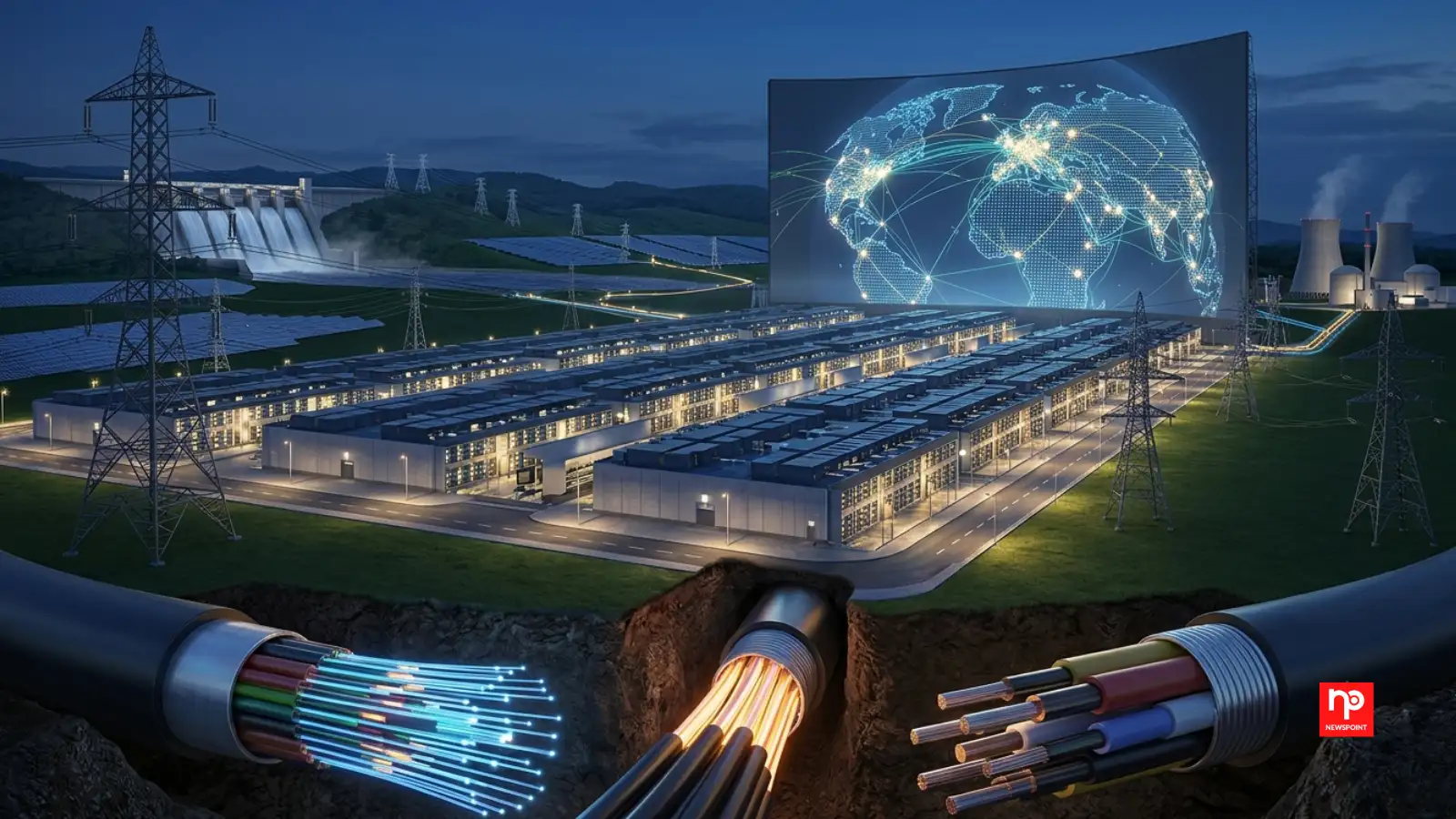
Massive data centres operate day and night, storing information and processing requests from users worldwide. These facilities require not only electricity for computing but also cooling systems to prevent equipment from overheating.
Streaming video is among the biggest contributors. High-definition and ultra-high-definition content require substantial data transmission and processing resources.
The rise of smart homes and internet-connected appliances further expands digital energy consumption.
Many companies are also investing heavily in renewable energy sources to reduce environmental impact.
Simple actions such as reducing unnecessary cloud storage, lowering streaming quality when appropriate and keeping devices energy efficient can make a difference at scale.
The Machines Behind the Internet
The internet is not a cloud floating in the sky. It is a global network of servers, storage systems, routers and communication lines.Massive data centres operate day and night, storing information and processing requests from users worldwide. These facilities require not only electricity for computing but also cooling systems to prevent equipment from overheating.
A Huge Daily Energy Appetite
Experts estimate that data centres alone account for a significant share of global electricity consumption. When telecommunications networks and connected devices are included, the internet ecosystem uses an enormous amount of power every day.Streaming video is among the biggest contributors. High-definition and ultra-high-definition content require substantial data transmission and processing resources.
Why Demand Keeps Growing
Artificial intelligence, cloud computing and connected devices are increasing energy needs. Every year, more people rely on online services for work, entertainment, education and communication.The rise of smart homes and internet-connected appliances further expands digital energy consumption.
The Industry's Efficiency Challenge
The good news is that technology companies have made remarkable efficiency improvements. Modern data centres can perform vastly more computing work per unit of electricity than earlier generations.Many companies are also investing heavily in renewable energy sources to reduce environmental impact.
Why This Matters to Everyday Users
Each online action uses only a tiny amount of energy. However, when billions of people stream videos, upload photos and use online services simultaneously, the combined effect becomes substantial.Simple actions such as reducing unnecessary cloud storage, lowering streaming quality when appropriate and keeping devices energy efficient can make a difference at scale.
Next Story