
Avoid These 5 Mistakes To Protect Your Smartphone Camera

Over the past ten years, smartphone cameras have seen remarkable advancements. Once limited to a mere 0.1 MP resolution, today's smartphones boast cameras with over 200 MP. Some premium models even incorporate 1-inch type sensors, delivering image and video quality comparable to professional cameras.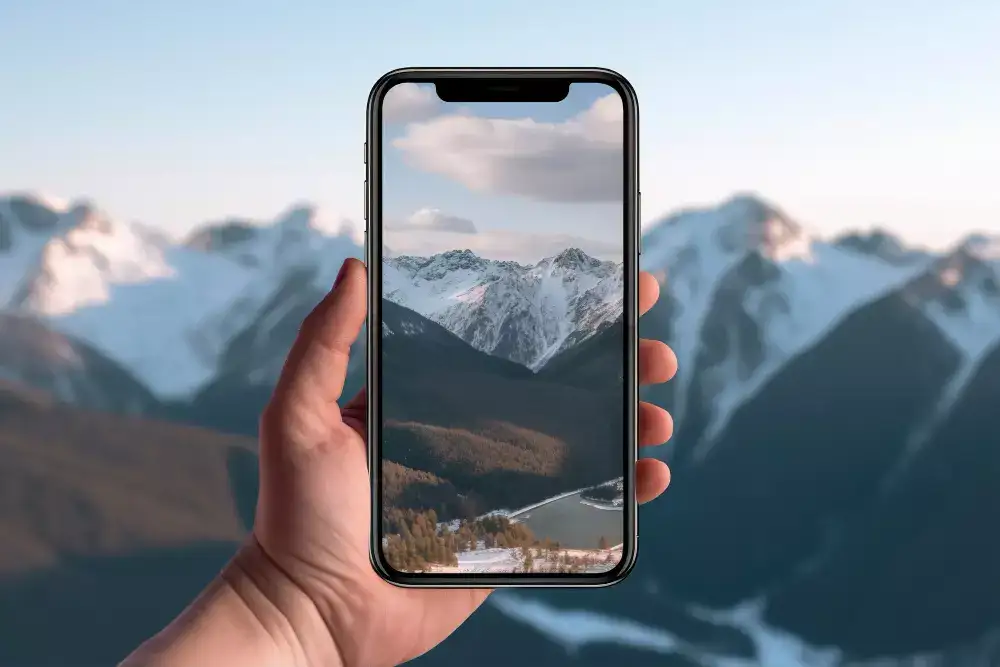
Despite these significant improvements, smartphone camera s remain delicate . A minor mishap can cause irreversible damage . Here are five crucial precautions to help you avoid permanent harm to your smartphone camera system:
1. Avoid Filming Laser Light Shows:
High-intensity laser lights at concerts can permanently damage your smartphone camera sensor. The concentrated energy from the lasers can harm both the lens system and the sensor itself, rendering the camera unusable.
2. Be Cautious When Mounting on Bikes or Scooters:
Attaching your smartphone to a bike or scooter without proper precautions can lead to permanent damage due to vibrations from the moving vehicle. Use a specialized mounting kit designed to absorb vibrations to keep your camera safe.
3. Refrain from Using Your Smartphone Underwater:
Even though some brands advertise underwater shooting capabilities, it can still permanently damage your device. Extended underwater use can heat up the phone, and condensation may lead to water ingress, damaging the camera.
4. Avoid Extreme Temperatures:
Extreme temperatures can harm your camera, whether it's too hot or too cold. For instance, shooting the sun directly for long periods, especially during solar eclipses, can cause damage. However, photographing the moon is generally safe, with some smartphones even offering dedicated moon modes.
5. Be Wary of Camera Lens Protectors:
While lens protectors seem like a good idea, poorly installed or low-quality ones can scratch your camera lenses. Even small gaps between the lens and the protector can trap dust particles, potentially causing damage.
Additionally, dropping your smartphone can impair camera features like stabilization and focusing capabilities. Always handle your device with care to maintain the integrity of its camera system.
Despite these significant improvements, smartphone camera s remain delicate . A minor mishap can cause irreversible damage . Here are five crucial precautions to help you avoid permanent harm to your smartphone camera system:
1. Avoid Filming Laser Light Shows:
High-intensity laser lights at concerts can permanently damage your smartphone camera sensor. The concentrated energy from the lasers can harm both the lens system and the sensor itself, rendering the camera unusable.
You may also like
- As US government announces new visa restriction policy under Immigration and Nationality Act, it says it is an efforts to dismantle overseas criminal networks that have defrauded Americans of billions
- Apple wants Chinese memory chips, Micron wants them blocked: How US government is caught between two American giants, and why a $250 million cheque matters
- Google founder Sergey Brin found out using Gemini, company's own AI model, on the internal list of tools engineers are banned from using; to kill that one rule 'upset Brin' passed over the 'fight' to company's CEO
- Nvidia CEO Jensen Huang on why he doesn't see an AI bubble bursting anytime soon, says 'this time it's different'
- 'How else are people going to learn': MIT research scientist warns companies replacing Gen Z with AI for entry jobs risk a costly mistake
2. Be Cautious When Mounting on Bikes or Scooters:
Attaching your smartphone to a bike or scooter without proper precautions can lead to permanent damage due to vibrations from the moving vehicle. Use a specialized mounting kit designed to absorb vibrations to keep your camera safe.
3. Refrain from Using Your Smartphone Underwater:
Even though some brands advertise underwater shooting capabilities, it can still permanently damage your device. Extended underwater use can heat up the phone, and condensation may lead to water ingress, damaging the camera.
4. Avoid Extreme Temperatures:
Extreme temperatures can harm your camera, whether it's too hot or too cold. For instance, shooting the sun directly for long periods, especially during solar eclipses, can cause damage. However, photographing the moon is generally safe, with some smartphones even offering dedicated moon modes.
5. Be Wary of Camera Lens Protectors:
While lens protectors seem like a good idea, poorly installed or low-quality ones can scratch your camera lenses. Even small gaps between the lens and the protector can trap dust particles, potentially causing damage.
Additionally, dropping your smartphone can impair camera features like stabilization and focusing capabilities. Always handle your device with care to maintain the integrity of its camera system.






Loving Newspoint? Download the app now
