
From Banking Apps to Shopping Platforms: How Fake Apps Are Fooling Millions Online

Smartphones have become the centre of modern life. People use mobile applications for banking, shopping, communication, entertainment, and even important government services. But behind the convenience of apps lies a growing threat that many users overlook: fake applications designed to steal personal information and money. These technology scams often look professional, copy popular brands, and appear trustworthy at first glance. With millions of people downloading apps every day, scammers have found a powerful way to enter personal devices. Understanding how fake app scams work is becoming increasingly important in a world where a smartphone holds almost every detail of our lives.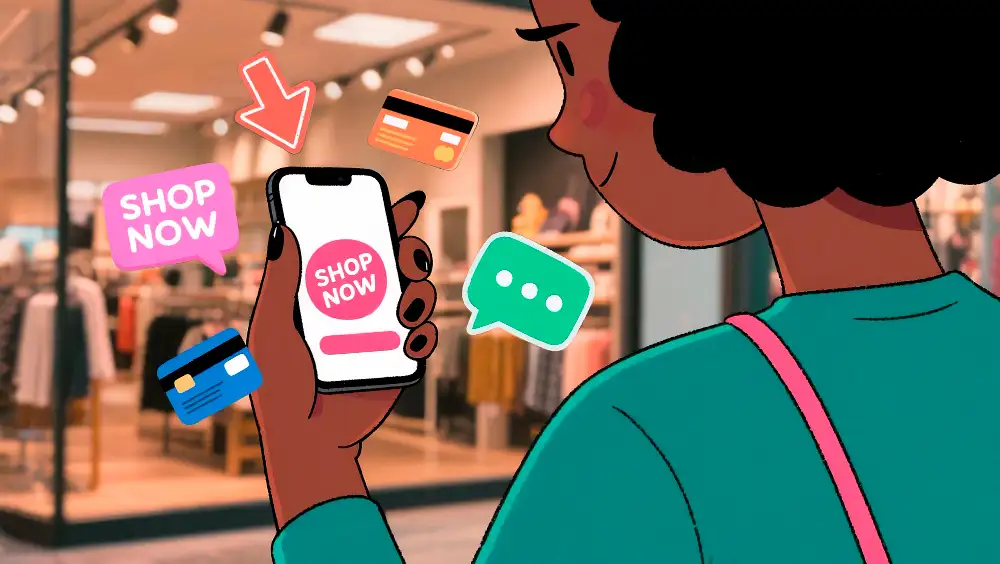
Fake apps are one of the fastest-growing forms of technology scams. Criminals create applications that closely resemble genuine banking apps, shopping platforms, gaming apps, or security tools. They often copy logos, colours, and designs to appear legitimate.
Once installed, these apps may collect passwords, record sensitive information, display fake login screens, or secretly track user activity.
Some fake apps are promoted through misleading advertisements or links shared through messages. A user may believe they are downloading a useful tool, but instead they are installing software designed to steal information.
A lesser-known tactic is the use of fake updates. Instead of creating a completely new app, scammers sometimes imitate update notifications to trick users into installing harmful software.
A common technology scam involves creating a fake banking or payment application that asks users to enter their account details, passwords, or verification codes. Once this information is collected, criminals can attempt unauthorised transactions.
How Fake Apps Became a New Tool for Technology Scams
The rise of mobile technology has created new opportunities for criminals. In the past, online scams mainly targeted email accounts and websites. Today, smartphones have become a primary target because they contain financial details, personal messages, photos, and access to online accounts.Fake apps are one of the fastest-growing forms of technology scams. Criminals create applications that closely resemble genuine banking apps, shopping platforms, gaming apps, or security tools. They often copy logos, colours, and designs to appear legitimate.
Once installed, these apps may collect passwords, record sensitive information, display fake login screens, or secretly track user activity.
How Scammers Make Fake Applications Look Real
One reason fake app scams are successful is because criminals invest time in making them appear authentic. They often use names similar to popular applications, add fake user reviews, and create professional-looking descriptions.Some fake apps are promoted through misleading advertisements or links shared through messages. A user may believe they are downloading a useful tool, but instead they are installing software designed to steal information.
A lesser-known tactic is the use of fake updates. Instead of creating a completely new app, scammers sometimes imitate update notifications to trick users into installing harmful software.
The Growing Threat of Fake Banking and Payment Apps
Financial applications are among the most attractive targets for scammers because they provide direct access to money.A common technology scam involves creating a fake banking or payment application that asks users to enter their account details, passwords, or verification codes. Once this information is collected, criminals can attempt unauthorised transactions.
Next Story