
Can Chatbots Remember Everything You Tell Them? AI Memory Explained

The first time a chatbot remembers something you told it weeks ago, it can feel surprisingly personal. Perhaps it knows how you like your emails written, remembers a project you mentioned earlier or understands that you prefer short answers. But what does "memory" actually mean in an AI chatbot?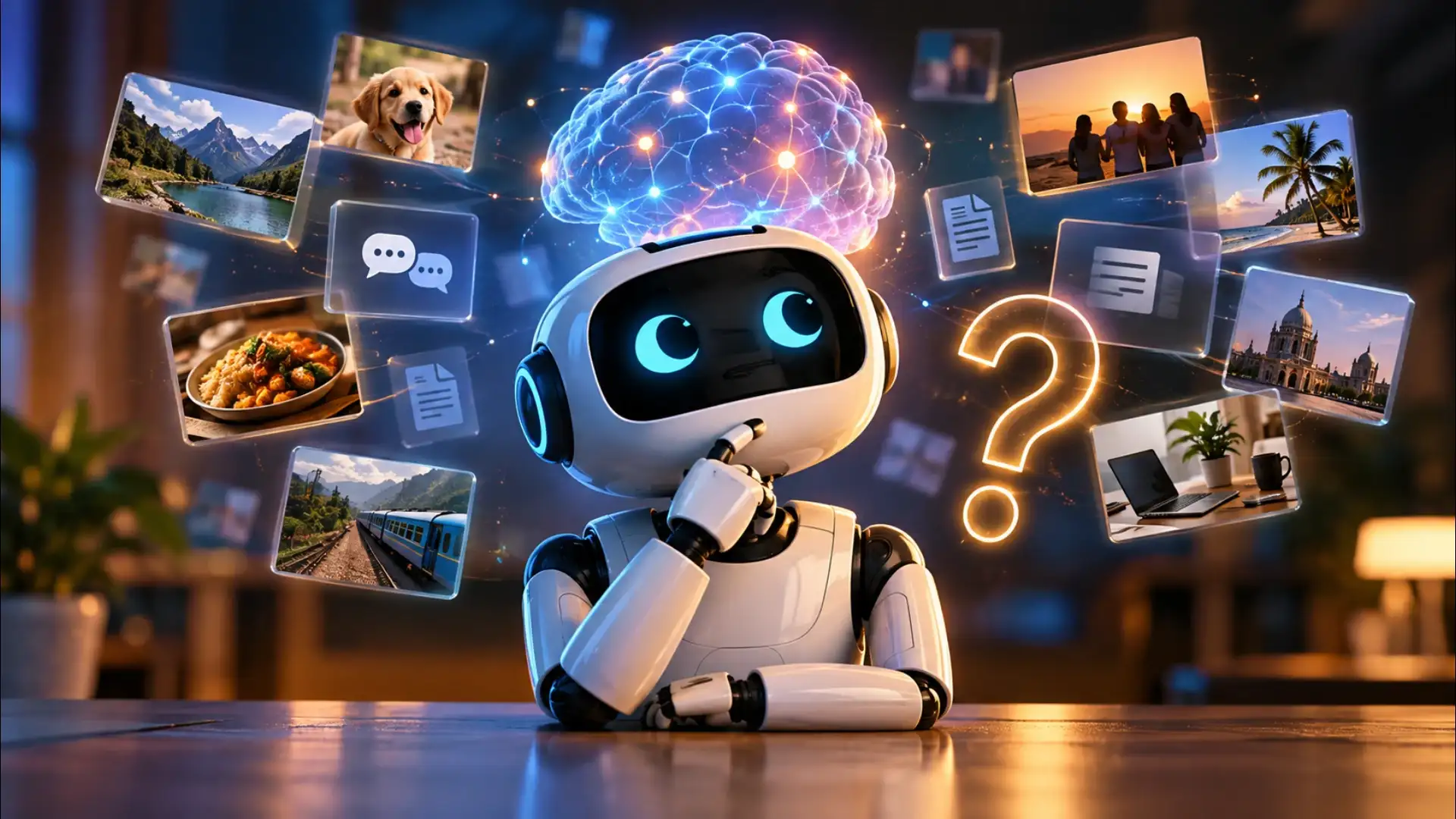
It does not necessarily mean the system remembers conversations in the same way a person does. Modern AI services can use different forms of memory, including information from the current conversation, saved preferences and details retrieved from previous interactions. Understanding these layers matters because the more useful an AI becomes through personalisation, the more important it becomes to know what information it is retaining.
A chatbot can use earlier messages in the same chat to understand what you mean later. If you ask it to rewrite a paragraph and then say "make it shorter", it does not need permanent memory to understand the request.
Long-term memory is different. Some AI products can save selected information about a user and use it in future conversations.
OpenAI, for example, distinguishes between saved memories and the ability to reference previous chats. Users can manage memory through ChatGPT's settings. (help.openai.com)
Google's Gemini also has personalisation features that can use information from previous chats where available and enabled. (support.google.com)
Imagine repeatedly asking for help with a long-running work project. Without memory, you may need to explain the same background every time. With memory, the assistant can potentially remember relevant preferences and reduce that repetition.
It can also remember stylistic preferences. If you consistently ask for British English, concise explanations or a particular format, future responses may require fewer instructions.
The goal is personalisation rather than human-like recollection.
A remembered preference might seem harmless, but a collection of remembered details can gradually create a surprisingly detailed picture of someone's interests, habits and circumstances.
That is why users should periodically check what their AI assistant has saved. OpenAI says users can ask ChatGPT what it remembers and can delete individual memories or clear memory entirely. (help.openai.com)
Google similarly provides controls for managing personalisation and past activity. (support.google.com)
AI memory is not necessarily a complete recording of everything you have ever said. Systems may retrieve particular information, prioritise some details and ignore others. Features and retention rules can also change between products and account settings.
In other words, an AI remembering something does not mean it has a perfect archive of your life.
The more an AI knows about your preferences, the less you have to explain. But the same information can also become sensitive when combined over time.
That makes AI memory a feature worth managing rather than simply accepting. Before treating a chatbot like a long-term assistant, take a moment to find out what it remembers, why it remembers it and how easily you can make it forget.
It does not necessarily mean the system remembers conversations in the same way a person does. Modern AI services can use different forms of memory, including information from the current conversation, saved preferences and details retrieved from previous interactions. Understanding these layers matters because the more useful an AI becomes through personalisation, the more important it becomes to know what information it is retaining.
Not All AI Memory Is the Same
The simplest form of memory is the current conversation.A chatbot can use earlier messages in the same chat to understand what you mean later. If you ask it to rewrite a paragraph and then say "make it shorter", it does not need permanent memory to understand the request.
Long-term memory is different. Some AI products can save selected information about a user and use it in future conversations.
OpenAI, for example, distinguishes between saved memories and the ability to reference previous chats. Users can manage memory through ChatGPT's settings. (help.openai.com)
Google's Gemini also has personalisation features that can use information from previous chats where available and enabled. (support.google.com)
Why Would an AI Need to Remember You?
Memory can make an AI assistant significantly more useful.Imagine repeatedly asking for help with a long-running work project. Without memory, you may need to explain the same background every time. With memory, the assistant can potentially remember relevant preferences and reduce that repetition.
It can also remember stylistic preferences. If you consistently ask for British English, concise explanations or a particular format, future responses may require fewer instructions.
The goal is personalisation rather than human-like recollection.
What Should You Be Careful About?
The convenience has a privacy trade-off.A remembered preference might seem harmless, but a collection of remembered details can gradually create a surprisingly detailed picture of someone's interests, habits and circumstances.
That is why users should periodically check what their AI assistant has saved. OpenAI says users can ask ChatGPT what it remembers and can delete individual memories or clear memory entirely. (help.openai.com)
You may also like
- Steve Jobs' son watched his father battle cancer as a child; decades later, Reed Jobs is using a $1 billion fund to fight the disease
- Google sends its 'chips' to space in a refrigerator-sized satellite; CEO Sundar Pichai says: I remember the first meeting where...
- Dreame X60 Ultra first impressions
- NITI Aayog holds workshop to strengthen 'Sustainable Development Goals' budgeting
- PM e-Drive Scheme Boosts Sales of 2.66 Million Electric Vehicles in India
Google similarly provides controls for managing personalisation and past activity. (support.google.com)
Memory Does Not Mean Perfect Recall
There is another important misconception.AI memory is not necessarily a complete recording of everything you have ever said. Systems may retrieve particular information, prioritise some details and ignore others. Features and retention rules can also change between products and account settings.
In other words, an AI remembering something does not mean it has a perfect archive of your life.
The New Digital Question: What Does Your AI Know?
As chatbots become assistants rather than simple question-and-answer tools, memory will become increasingly important.The more an AI knows about your preferences, the less you have to explain. But the same information can also become sensitive when combined over time.
That makes AI memory a feature worth managing rather than simply accepting. Before treating a chatbot like a long-term assistant, take a moment to find out what it remembers, why it remembers it and how easily you can make it forget.






Loving Newspoint? Download the app now
