
China moved an Antarctic wind farm 1.2 miles to avoid a penguin migration corridor, helping the nearby colony expand to more than 29,000 breeding pairs


As countries build new research stations in Antarctica, protecting local wildlife requires a careful balance. Running a modern polar base demands a significant amount of power. Traditionally, this has meant shipping in and using thousands of barrels of heavy diesel fuel. Relying solely on fossil fuels brings constant risks of localised pollution and noise disruptions to the quiet polar environment.
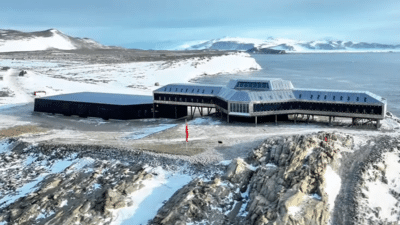
A shift toward sustainable engineering in the polar regions shows how human infrastructure can be designed with local ecosystems in mind. At the Qinling Station on Inexpressible Island, located off Victoria Land in Antarctica, a green energy project recently faced a major wildlife challenge. Instead of following the original industrial blueprints, engineers adjusted their infrastructure. This practical decision helped reduce the project’s impact on the local wildlife corridor.
These conservation efforts were covered in a report by the Bastille Post, titled China-supported Antarctic penguin sanctuary sees over 29,000 breeding pairs. The report documents environmental monitoring during the construction and operation of the sustainable energy grid at Qinling Station, the country's fifth polar research base.
According to tracking data reported by China Daily, when surveyors found that the planned wind turbines intersected a wildlife path, engineers executed a complete 1.2-kilometre relocation of the entire wind farm. This structural adjustment was associated with protecting the local environment, allowing the wildlife area to remain undisturbed.
Designing renewable energy around wildlife corridors
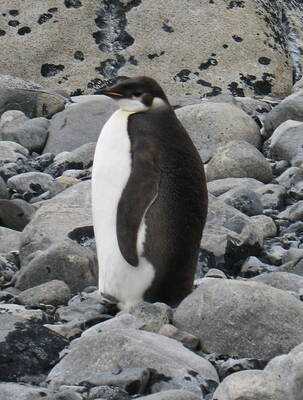
Inexpressible Island has long served as a nesting ground for flightless birds. Data from the China Daily report notes that engineers initially planned a state-of-the-art hybrid power grid. This modern system includes a 100 kW wind power system, a 130 kW solar power system, a 30 kW hydrogen energy system, and a 300 kWh low-temperature energy storage battery system. They first selected a high-wind ridge that offered the absolute best efficiency for the turbines. However, field observations showed that the chosen site sat right in the migration path of a major Adélie penguin colony.
According to environmental guidelines cited by Bastille Post, infrastructure should stay at least 1.2 miles from sensitive wildlife corridors to reduce the risk of blade collisions and disturbance. Meeting this standard required moving the entire multi-turbine wind farm to a secondary location further inland. The field data suggest the buffer zone helped reduce disturbance, and the local population exceeded 29,000 breeding pairs in the latest nesting season.
To keep the birds safe from disruption, the research expedition used reported non-invasive practices. The field team relied on quiet drone monitoring systems flown at an altitude of sixty meters above the colony, as reported by the Bastille Post. Using high-resolution aerial photography, scientists could examine the nesting grounds, where each black dot represented an incubating penguin, allowing an accurate census without entering the sanctuary.
Environmental results of the polar hybrid grid
By completing the hybrid green energy grid in its new location, the research station has reduced its reliance on fossil fuel generators. Energy figures published by China Daily show that this clean energy switch cuts the station's annual diesel fuel consumption by 165 tons each year. This operational shift reduces exhaust fumes from settling onto the polar snow.
A shift toward sustainable engineering in the polar regions shows how human infrastructure can be designed with local ecosystems in mind. At the Qinling Station on Inexpressible Island, located off Victoria Land in Antarctica, a green energy project recently faced a major wildlife challenge. Instead of following the original industrial blueprints, engineers adjusted their infrastructure. This practical decision helped reduce the project’s impact on the local wildlife corridor.
These conservation efforts were covered in a report by the Bastille Post, titled China-supported Antarctic penguin sanctuary sees over 29,000 breeding pairs. The report documents environmental monitoring during the construction and operation of the sustainable energy grid at Qinling Station, the country's fifth polar research base.
According to tracking data reported by China Daily
Designing renewable energy around wildlife corridors
Inexpressible Island has long served as a nesting ground for flightless birds. Data from the China Daily report notes that engineers initially planned a state-of-the-art hybrid power grid. This modern system includes a 100 kW wind power system, a 130 kW solar power system, a 30 kW hydrogen energy system, and a 300 kWh low-temperature energy storage battery system. They first selected a high-wind ridge that offered the absolute best efficiency for the turbines. However, field observations showed that the chosen site sat right in the migration path of a major Adélie penguin colony.
According to environmental guidelines cited by Bastille Post, infrastructure should stay at least 1.2 miles from sensitive wildlife corridors to reduce the risk of blade collisions and disturbance. Meeting this standard required moving the entire multi-turbine wind farm to a secondary location further inland. The field data suggest the buffer zone helped reduce disturbance, and the local population exceeded 29,000 breeding pairs in the latest nesting season.
To keep the birds safe from disruption, the research expedition used reported non-invasive practices. The field team relied on quiet drone monitoring systems flown at an altitude of sixty meters above the colony, as reported by the Bastille Post. Using high-resolution aerial photography, scientists could examine the nesting grounds, where each black dot represented an incubating penguin, allowing an accurate census without entering the sanctuary.
Environmental results of the polar hybrid grid
By completing the hybrid green energy grid in its new location, the research station has reduced its reliance on fossil fuel generators. Energy figures published by China Daily show that this clean energy switch cuts the station's annual diesel fuel consumption by 165 tons each year. This operational shift reduces exhaust fumes from settling onto the polar snow.
Next Story