
Common Phone Charging Mistakes That Could Be Harming Your Battery

For many people, charging a phone has become as automatic as brushing their teeth. Plug it in at night, leave it for a few hours and pick it up in the morning. Yet some everyday charging habits can gradually affect battery performance, particularly when heat, poor-quality accessories or heavy usage are involved. Modern smartphones are far better at managing charging than older devices, but that does not make every charging habit harmless. From using damaged cables to charging in overheated surroundings, some mistakes are surprisingly common. Knowing how your phone's battery actually works can help you avoid unnecessary wear and keep it performing well for longer.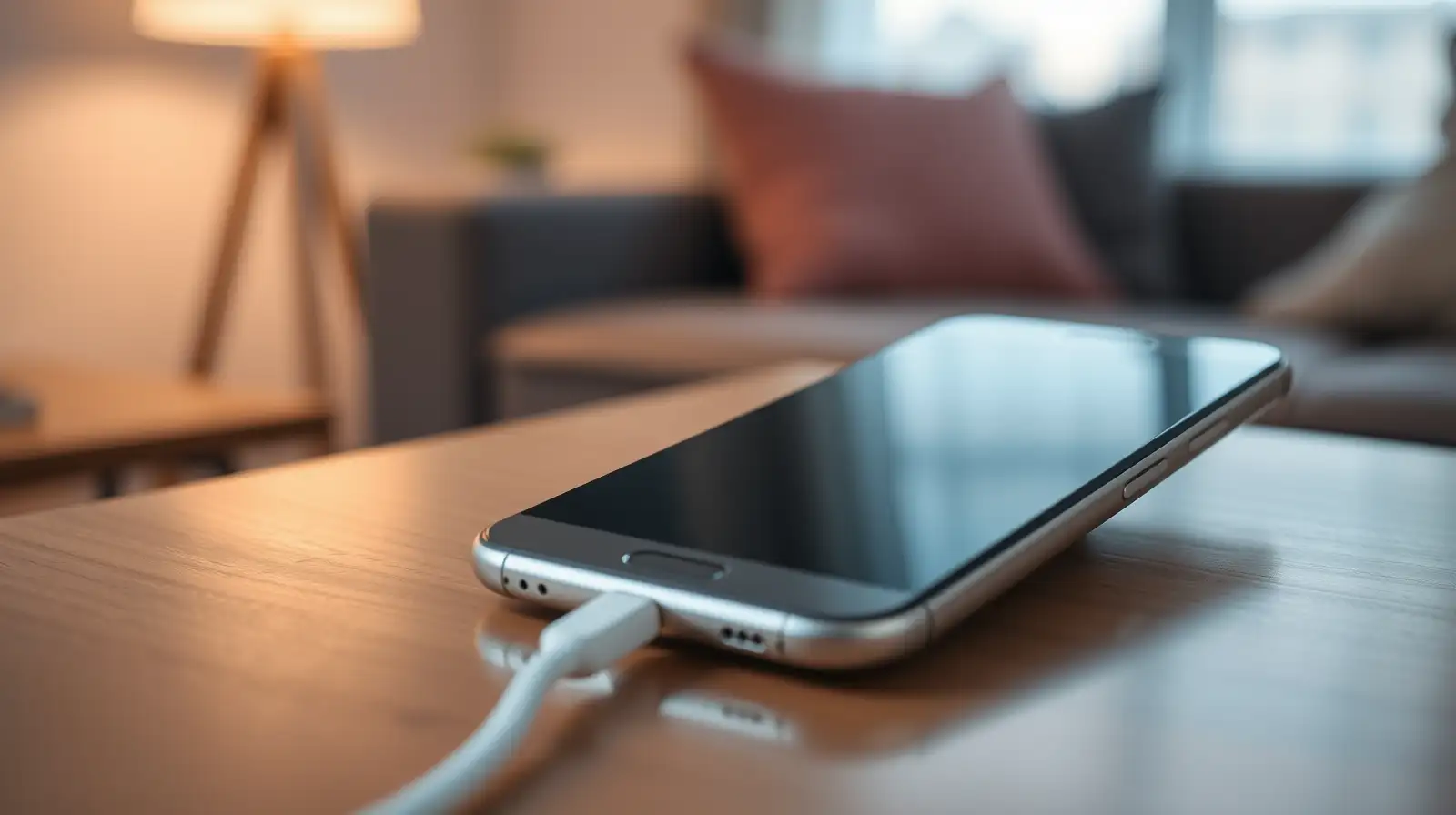
Lithium-ion batteries are particularly sensitive to temperature. Google recommends charging Pixel phones in a cool environment, around 25°C, and avoiding prolonged exposure to temperatures above 35°C. Modern phones can also slow or temporarily limit charging when temperatures become excessive.
That does not mean every third-party charger is unsafe. The important point is compatibility and quality. Google recommends using a compatible power adapter and warns that unsuitable adapters can charge slowly or fail to charge properly, and may damage the phone or battery.
Today's lithium-ion batteries do not need to be taken from 100 per cent to zero to maintain their capacity. Google explicitly states that users do not need to train a modern phone battery by repeatedly going from full to empty.
Regularly allowing a phone to reach extremely low levels can simply become an unnecessary habit.
This is why several modern smartphones offer adaptive charging or charge limits. Google's Pixel phones, for example, can learn charging patterns and delay reaching 100 per cent until closer to the time the user normally disconnects the charger. Some models can also limit charging to 80 per cent.
Google recommends limiting phone usage while charging if you want faster charging, while also advising users to keep the device cool.
A short call or message is unlikely to matter, but intensive use for hours can make the device considerably warmer.
If a phone's back begins lifting, the screen starts separating from the frame or the battery appears swollen, that is not something to ignore. Google specifically advises against trying to press down, open or repair a swollen battery yourself.
Charging in Excessive Heat
One of the biggest mistakes is charging a phone somewhere hot. Leaving it on a car dashboard in direct sunlight or under a pillow can trap heat while the battery is already warming during charging.Lithium-ion batteries are particularly sensitive to temperature. Google recommends charging Pixel phones in a cool environment, around 25°C, and avoiding prolonged exposure to temperatures above 35°C. Modern phones can also slow or temporarily limit charging when temperatures become excessive.
Using Cheap or Damaged Charging Accessories
A charging cable may look like a simple piece of wire, but its quality matters. Frayed cables, damaged connectors and incompatible power adapters can lead to unreliable charging and, in some cases, overheating.That does not mean every third-party charger is unsafe. The important point is compatibility and quality. Google recommends using a compatible power adapter and warns that unsuitable adapters can charge slowly or fail to charge properly, and may damage the phone or battery.
Constantly Running the Battery to Zero
There is a persistent idea that you should completely drain a modern smartphone before charging it again. That advice largely comes from the era of older rechargeable battery technologies.Today's lithium-ion batteries do not need to be taken from 100 per cent to zero to maintain their capacity. Google explicitly states that users do not need to train a modern phone battery by repeatedly going from full to empty.
Regularly allowing a phone to reach extremely low levels can simply become an unnecessary habit.
Keeping the Phone at 100 Per Cent for Long Periods
Another common habit is leaving a phone fully charged for hours every day. Reaching 100 per cent is not inherently bad, but spending prolonged periods at full charge can contribute to battery ageing.You may also like
- HM Amit Shah backs stronger RBI-UCB cooperation, urges move beyond perceptions
- How to hide Last Seen and About on WhatsApp? Learn the easy way
- DPIIT signs 5 MoUs to expand digital, cloud and investment support for startups
- Bangladesh's garment industry takes river pollution to threatening levels: Report
- After Hugging Face hack, OpenAI pauses work on Astra AI model over cybersecurity risks
This is why several modern smartphones offer adaptive charging or charge limits. Google's Pixel phones, for example, can learn charging patterns and delay reaching 100 per cent until closer to the time the user normally disconnects the charger. Some models can also limit charging to 80 per cent.
Using the Phone Heavily While Charging
Playing demanding games, recording video or using navigation while charging makes the phone work hard at precisely the time it is already generating heat.Google recommends limiting phone usage while charging if you want faster charging, while also advising users to keep the device cool.
A short call or message is unlikely to matter, but intensive use for hours can make the device considerably warmer.
Ignoring an Ageing or Swollen Battery
A battery does not last forever. Lithium-ion batteries gradually lose capacity through normal use, charging cycles, temperature and age.If a phone's back begins lifting, the screen starts separating from the frame or the battery appears swollen, that is not something to ignore. Google specifically advises against trying to press down, open or repair a swollen battery yourself.






Loving Newspoint? Download the app now
