
Summer Hacks for Electronics: Simple Ways to Keep Your Phone, Laptop and Devices Safe

Indian summers are becoming increasingly harsh, with temperatures crossing 40°C in many cities and creating challenges not only for people but also for electronic devices. Smartphones, laptops, cameras and other gadgets are designed to work within specific temperature ranges, and excessive heat can affect their performance, battery health and overall lifespan. While most people focus on staying cool themselves, protecting technology often gets overlooked. Simple Indian summer hacks for gadgets, such as avoiding direct sunlight, managing charging habits and maintaining proper ventilation, can prevent expensive repairs and improve device durability. With technology becoming an essential part of everyday life, understanding heat protection has become more important than ever.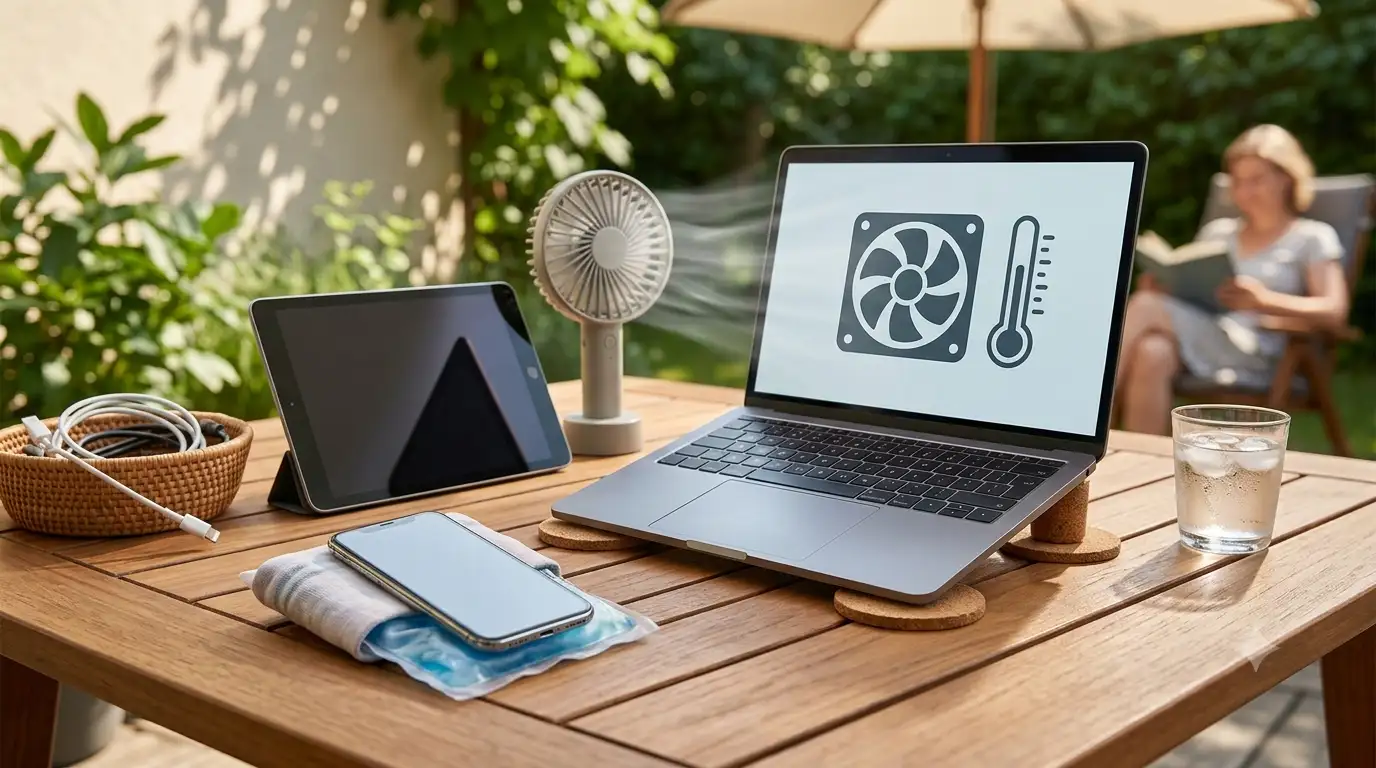
Smartphones are particularly vulnerable because people often use them for navigation, photography, gaming and video calls throughout the day. Combining heavy usage with hot weather can increase internal temperatures quickly.
According to technology experts, prolonged exposure to high temperatures can reduce battery efficiency over time. Lithium-ion batteries, commonly used in smartphones and laptops, perform best under moderate conditions.
A phone that becomes unusually hot may automatically reduce performance to protect internal components. In extreme cases, prolonged heat exposure can damage the battery or display.
Using a protective cover that does not trap excessive heat and keeping devices in shaded areas can help maintain normal temperatures.
Avoid charging smartphones under pillows, blankets or enclosed spaces where heat cannot escape. It is also better to remove unnecessary background applications while charging, as they can increase processor activity.
Using original chargers or certified charging accessories can also reduce the risk of overheating problems.
Using a flat, hard surface allows better airflow around cooling systems. Regularly cleaning dust from vents can also improve cooling efficiency.
For people working outdoors or travelling with laptops, avoiding leaving devices inside parked vehicles is crucial, as closed cars can become extremely hot within minutes.
While these accessories can help, they should support basic heat management habits rather than replace them. Simple actions like reducing unnecessary workload and maintaining airflow often make the biggest difference.
Replacing damaged batteries or repairing overheated devices can be expensive, while preventive care requires only small changes in daily habits.
Climate change has also increased the frequency of extreme heat events, making technology protection a growing concern for users worldwide.
Why Extreme Heat Affects Electronic Devices
Electronic gadgets generate heat naturally while operating. When external temperatures rise, devices have a harder time releasing this extra heat, which can lead to slower performance or sudden shutdowns.Smartphones are particularly vulnerable because people often use them for navigation, photography, gaming and video calls throughout the day. Combining heavy usage with hot weather can increase internal temperatures quickly.
According to technology experts, prolonged exposure to high temperatures can reduce battery efficiency over time. Lithium-ion batteries, commonly used in smartphones and laptops, perform best under moderate conditions.
Keep Smartphones Away from Direct Sunlight
One of the simplest Indian summer tech tips is avoiding leaving your phone under direct sunlight. Many people accidentally leave devices on car dashboards, outdoor tables or near windows, where temperatures can rise rapidly.A phone that becomes unusually hot may automatically reduce performance to protect internal components. In extreme cases, prolonged heat exposure can damage the battery or display.
Using a protective cover that does not trap excessive heat and keeping devices in shaded areas can help maintain normal temperatures.
Smart Charging Habits During Hot Weather
Charging already generates additional heat, so charging a device in a warm environment can increase stress on the battery.Avoid charging smartphones under pillows, blankets or enclosed spaces where heat cannot escape. It is also better to remove unnecessary background applications while charging, as they can increase processor activity.
You may also like
- Andrej Karpathy 'complains' of getting trolled on Twitter, his former boss Elon Musk responds; says: We need...
- Supreme Court 'allows' US Border Patrol agents to deport Green Card holders who ...
- India's First “Data Center City”: A 1,500-Acre Digital Hub Coming Near Hyderabad
- Itel launches Power 451 feature phone with AI ENC, type-C charging, priced at Rs 1,699
- Microsoft hikes price of Xbox consoles for the third time in almost a year: Check how much they will cost and more details
Using original chargers or certified charging accessories can also reduce the risk of overheating problems.
Protect Laptops and Work Devices
With remote work and online learning becoming common, laptops have become essential tools. During summer, keeping laptops on soft surfaces like beds or sofas can block ventilation openings.Using a flat, hard surface allows better airflow around cooling systems. Regularly cleaning dust from vents can also improve cooling efficiency.
For people working outdoors or travelling with laptops, avoiding leaving devices inside parked vehicles is crucial, as closed cars can become extremely hot within minutes.
The Importance of Cooling Accessories
Technology users are increasingly turning towards cooling solutions such as laptop stands, cooling pads and breathable device bags.While these accessories can help, they should support basic heat management habits rather than replace them. Simple actions like reducing unnecessary workload and maintaining airflow often make the biggest difference.
Why Summer Tech Protection Matters Today
As people rely more heavily on digital devices for work, communication, banking and entertainment, gadget maintenance has become part of everyday planning.Replacing damaged batteries or repairing overheated devices can be expensive, while preventive care requires only small changes in daily habits.
Climate change has also increased the frequency of extreme heat events, making technology protection a growing concern for users worldwide.






More from our partners


Loving Newspoint? Download the app now
