
Google’s New Android Feature Can Detect AI Voice Scam Calls Before You Get Tricked

Google has announced a new Android security feature aimed at protecting users from one of the fastest-growing forms of digital fraud: AI-powered impersonation scams .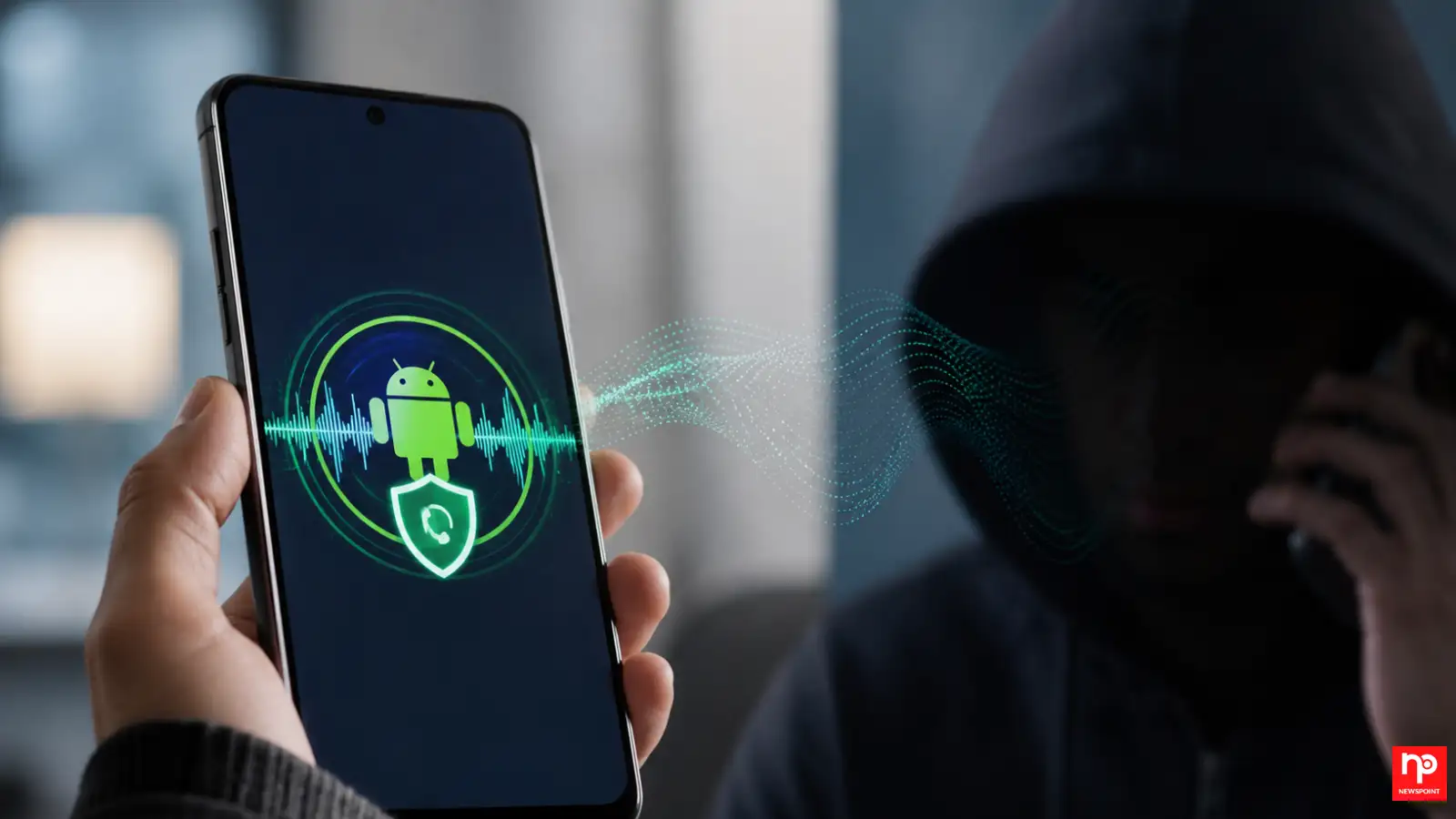
Known as Fake Call Detection , the new Android feature can identify and flag suspicious spoofed calls where scammers use artificial intelligence to clone the voice of someone the victim knows. According to Google, this is the first feature of its kind in the mobile industry and has been designed to tackle increasingly sophisticated deepfake scams and AI voice fraud .
As AI-generated scams become more convincing, Google’s latest Android security update is intended to give users an extra layer of protection against fraudsters who exploit voice-cloning technology and caller ID spoofing.
In many cases, scammers can mimic both a person's voice and phone number, making it appear as though the call is coming from a trusted family member, friend, or contact. These fraudsters often create fake emergencies or urgent financial requests to pressure victims into sending money or sharing sensitive information.
With AI voice cloning technology becoming more accessible and realistic, traditional caller ID systems are no longer as effective at identifying fraudulent calls. Google says its new Android scam protection feature is designed specifically to address this growing challenge.
When a legitimate call is made, the caller's device sends a secure verification signal to the recipient's phone using end-to-end encrypted Rich Communication Services (RCS) technology.
Google describes the process as a digital handshake between devices. This verification helps confirm that the caller is genuinely who they claim to be, adding an extra layer of trust to phone conversations.
The system checks with the actual contact's device to determine whether that person is genuinely placing a call. If the contact's device confirms that no call is being made, the recipient receives an on-screen warning indicating that the caller may be impersonating someone they know.
The alert advises users to end the call immediately, helping prevent potential fraud before sensitive information is shared.
The communication between devices is encrypted, ensuring that personal information remains protected throughout the verification process. The company also notes that the feature is enabled by default, although users can choose to disable it through the Phone by Google app settings if they prefer.
By combining scam detection with encrypted communication, Google aims to strengthen Android security without compromising user privacy.
According to the Global Financial Fraud Threat Assessment published by INTERPOL in March 2026, impersonation fraud is one of the leading contributors to more than $400 billion in global losses. Meanwhile, the U.S. Federal Trade Commission reported that impersonation scams resulted in nearly $3 billion in losses in 2024 alone.
These figures highlight the increasing scale of AI-powered scams and explain why technology companies are investing heavily in fraud prevention and scam protection tools .
Users with compatible Android devices can access the feature by downloading the Phone by Google app from the Play Store and setting it as their default calling application.
The rollout is part of Google's broader effort to improve Android scam protection. It joins existing security features such as AI-powered scam detection in Google Messages and verified business communication through RCS.
As AI voice-cloning scams continue to evolve, Google’s Fake Call Detection feature could become an important tool in helping Android users identify fraudulent calls before they become victims of increasingly sophisticated cybercrime.
Known as Fake Call Detection , the new Android feature can identify and flag suspicious spoofed calls where scammers use artificial intelligence to clone the voice of someone the victim knows. According to Google, this is the first feature of its kind in the mobile industry and has been designed to tackle increasingly sophisticated deepfake scams and AI voice fraud .
As AI-generated scams become more convincing, Google’s latest Android security update is intended to give users an extra layer of protection against fraudsters who exploit voice-cloning technology and caller ID spoofing.
Why AI-Powered Impersonation Scams Are Becoming a Major Threat
The launch of Fake Call Detection comes at a time when cybercriminals are increasingly using AI-generated voices to deceive people.In many cases, scammers can mimic both a person's voice and phone number, making it appear as though the call is coming from a trusted family member, friend, or contact. These fraudsters often create fake emergencies or urgent financial requests to pressure victims into sending money or sharing sensitive information.
With AI voice cloning technology becoming more accessible and realistic, traditional caller ID systems are no longer as effective at identifying fraudulent calls. Google says its new Android scam protection feature is designed specifically to address this growing challenge.
How Google’s Fake Call Detection Works
According to Google, Fake Call Detection operates automatically when both the caller and recipient are using the Phone by Google app.When a legitimate call is made, the caller's device sends a secure verification signal to the recipient's phone using end-to-end encrypted Rich Communication Services (RCS) technology.
Google describes the process as a digital handshake between devices. This verification helps confirm that the caller is genuinely who they claim to be, adding an extra layer of trust to phone conversations.
What Happens If a Call Cannot Be Verified?
If a caller claims to be someone saved in your contacts but the verification signal is missing, Android takes an additional step.The system checks with the actual contact's device to determine whether that person is genuinely placing a call. If the contact's device confirms that no call is being made, the recipient receives an on-screen warning indicating that the caller may be impersonating someone they know.
The alert advises users to end the call immediately, helping prevent potential fraud before sensitive information is shared.
Privacy Remains a Key Part of the System
Google says the entire verification process is built with privacy in mind.The communication between devices is encrypted, ensuring that personal information remains protected throughout the verification process. The company also notes that the feature is enabled by default, although users can choose to disable it through the Phone by Google app settings if they prefer.
By combining scam detection with encrypted communication, Google aims to strengthen Android security without compromising user privacy.
Why Google Is Launching the Feature Now
The rollout comes amid growing concerns about AI-fuelled financial fraud around the world.According to the Global Financial Fraud Threat Assessment published by INTERPOL in March 2026, impersonation fraud is one of the leading contributors to more than $400 billion in global losses. Meanwhile, the U.S. Federal Trade Commission reported that impersonation scams resulted in nearly $3 billion in losses in 2024 alone.
These figures highlight the increasing scale of AI-powered scams and explain why technology companies are investing heavily in fraud prevention and scam protection tools .
When Will Fake Call Detection Be Available?
Google has confirmed that Fake Call Detection is beginning to roll out globally this month on Android 12 and newer devices, starting with Pixel smartphones.Users with compatible Android devices can access the feature by downloading the Phone by Google app from the Play Store and setting it as their default calling application.
The rollout is part of Google's broader effort to improve Android scam protection. It joins existing security features such as AI-powered scam detection in Google Messages and verified business communication through RCS.
As AI voice-cloning scams continue to evolve, Google’s Fake Call Detection feature could become an important tool in helping Android users identify fraudulent calls before they become victims of increasingly sophisticated cybercrime.
Next Story