
Why So Many People Feel Exhausted After Spending Hours on Social Media

Social media platforms are designed to entertain, connect, and engage users continuously. Yet many people notice they feel mentally exhausted after spending long periods scrolling online even when the experience itself seemed enjoyable at the time.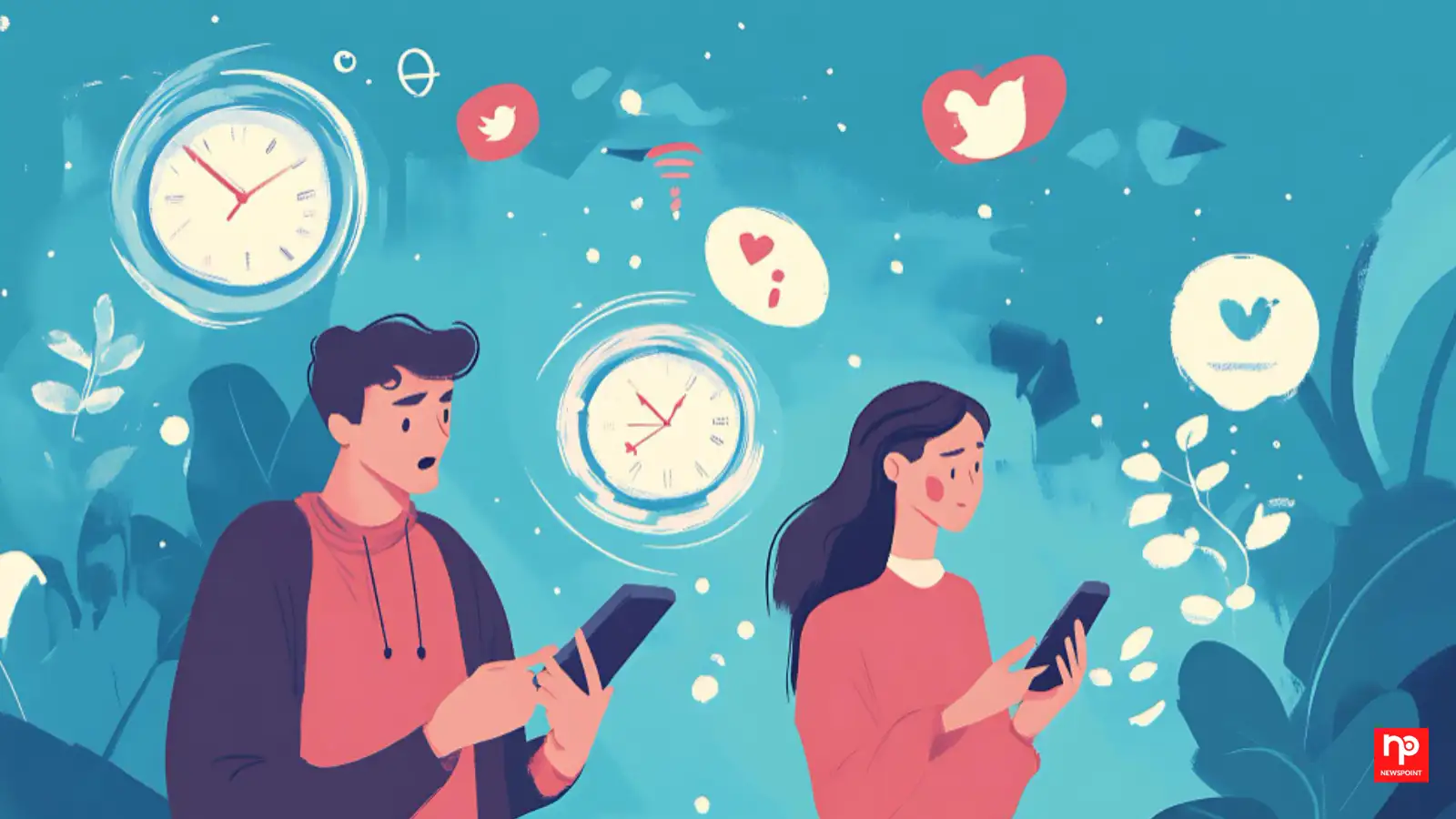
This digital fatigue became increasingly common in the smartphone era.
News updates, short videos, advertisements, emotional stories, memes, messages, and trending topics appear continuously without natural stopping points. The brain constantly processes new emotional and visual input at unusually high speed.
Over time, this continuous stimulation becomes mentally tiring.
Users may switch between dozens or hundreds of unrelated topics within minutes while scrolling. This repeated attention shifting increases cognitive load because the brain keeps adjusting rapidly to changing information and emotions.
Even when users understand content is curated carefully, constant exposure can still affect mood, confidence, or emotional energy unconsciously.
Many users rarely experience long periods completely disconnected from digital stimulation anymore. This constant connectivity reduces opportunities for mental recovery and uninterrupted focus.
The brain receives stimulation, novelty, humour, and social interaction simultaneously, but too much continuous input eventually creates exhaustion rather than relaxation.
Technology made entertainment available endlessly, yet human attention and mental energy still remain limited resources underneath constant digital activity.
This digital fatigue became increasingly common in the smartphone era.
Endless Information Overloads the Brain
Social media delivers enormous amounts of information rapidly.News updates, short videos, advertisements, emotional stories, memes, messages, and trending topics appear continuously without natural stopping points. The brain constantly processes new emotional and visual input at unusually high speed.
Over time, this continuous stimulation becomes mentally tiring.
Short-Form Content Trains Constant Attention Switching
Modern platforms especially emphasise fast, short-form content.Users may switch between dozens or hundreds of unrelated topics within minutes while scrolling. This repeated attention shifting increases cognitive load because the brain keeps adjusting rapidly to changing information and emotions.
Emotional Comparison Plays a Role
Social media also encourages subconscious comparison with other people’s lifestyles, achievements, travel experiences, relationships, or appearance.Even when users understand content is curated carefully, constant exposure can still affect mood, confidence, or emotional energy unconsciously.
Notifications Prevent Mental Rest
Notifications, alerts, and recommendation systems continuously encourage re-engagement throughout the day.Many users rarely experience long periods completely disconnected from digital stimulation anymore. This constant connectivity reduces opportunities for mental recovery and uninterrupted focus.
Entertainment and Exhaustion Can Coexist
One reason digital fatigue feels confusing is that social media remains genuinely entertaining while also being mentally demanding.The brain receives stimulation, novelty, humour, and social interaction simultaneously, but too much continuous input eventually creates exhaustion rather than relaxation.
Technology made entertainment available endlessly, yet human attention and mental energy still remain limited resources underneath constant digital activity.
Next Story