
Why Phone Cameras Make Food Look Better Than Reality

Many people noticed the same strange effect while scrolling through social media. Burgers appear juicier, desserts look richer, and coffee seems more aesthetic online than in real life.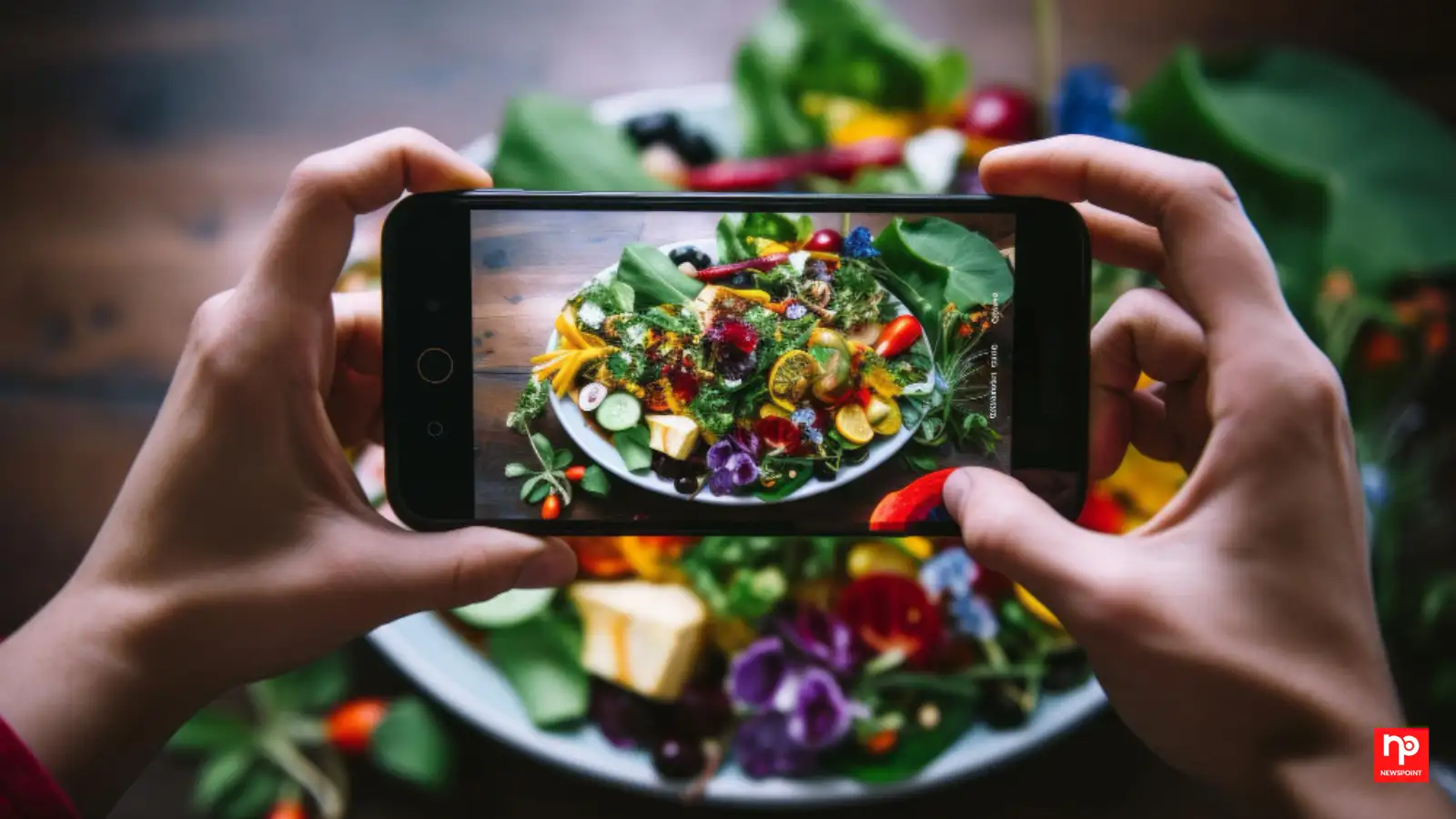
This is not always because restaurants suddenly improved dramatically.
Modern smartphone cameras actively enhance food photography automatically through software and image processing.
When food is detected, the camera may automatically boost brightness, colour saturation, contrast, and sharpness to make meals appear more visually appealing.
Warm tones often become richer because humans psychologically associate them with freshness and flavour.
Restaurants quickly realised visually attractive dishes perform well online because customers share them publicly.
Presentation became part of marketing strategy itself.
Some cafés even design lighting specifically to improve smartphone photography conditions.
People became accustomed to highly polished images where colours look more dramatic than reality. Over time, natural-looking food sometimes began appearing “less attractive” simply because expectations shifted online.
Computational photography combines multiple exposures, adjusts lighting automatically, sharpens textures, and balances colours within seconds using AI systems.
This creates visually impressive results but sometimes reduces realism.
Many people now pause meals to photograph them first, especially in restaurants or cafés with visually distinctive presentation.
Smartphone cameras did not just improve food photography. They changed how restaurants design meals and how people emotionally experience dining itself.
This is not always because restaurants suddenly improved dramatically.
Modern smartphone cameras actively enhance food photography automatically through software and image processing.
Smartphones Optimise Colours Automatically
Phone cameras now use artificial intelligence systems that recognise objects such as food, faces, landscapes, and pets instantly.When food is detected, the camera may automatically boost brightness, colour saturation, contrast, and sharpness to make meals appear more visually appealing.
Warm tones often become richer because humans psychologically associate them with freshness and flavour.
Social Media Encouraged “Food Aesthetics”
Food photography exploded alongside platforms like Instagram, TikTok, and short-form video apps.Restaurants quickly realised visually attractive dishes perform well online because customers share them publicly.
Presentation became part of marketing strategy itself.
Some cafés even design lighting specifically to improve smartphone photography conditions.
Filters Changed Expectations
Editing tools and filters further transformed how food appears digitally.People became accustomed to highly polished images where colours look more dramatic than reality. Over time, natural-looking food sometimes began appearing “less attractive” simply because expectations shifted online.
Camera Processing Happens Instantly
Unlike older cameras, modern smartphones process images heavily before users even see the final photo.Computational photography combines multiple exposures, adjusts lighting automatically, sharpens textures, and balances colours within seconds using AI systems.
This creates visually impressive results but sometimes reduces realism.
Technology Changed How People Experience Meals
Food today is often consumed visually before it is eaten physically.Many people now pause meals to photograph them first, especially in restaurants or cafés with visually distinctive presentation.
Smartphone cameras did not just improve food photography. They changed how restaurants design meals and how people emotionally experience dining itself.
Next Story