
How Wireless Charging Transfers Energy Without Wires

Putting a phone on a charging pad and watching its battery percentage rise can feel almost like magic. There is no cable plugged into the phone, yet electrical energy is somehow reaching the battery. The secret is not electricity travelling freely through the air. Wireless charging uses a carefully controlled electromagnetic field to transfer energy over a very short distance. Inside the charging pad and the phone are coils of wire that work together much like two parts of a transformer. When they are correctly aligned, one coil creates a changing magnetic field and the other converts that changing field back into electrical energy.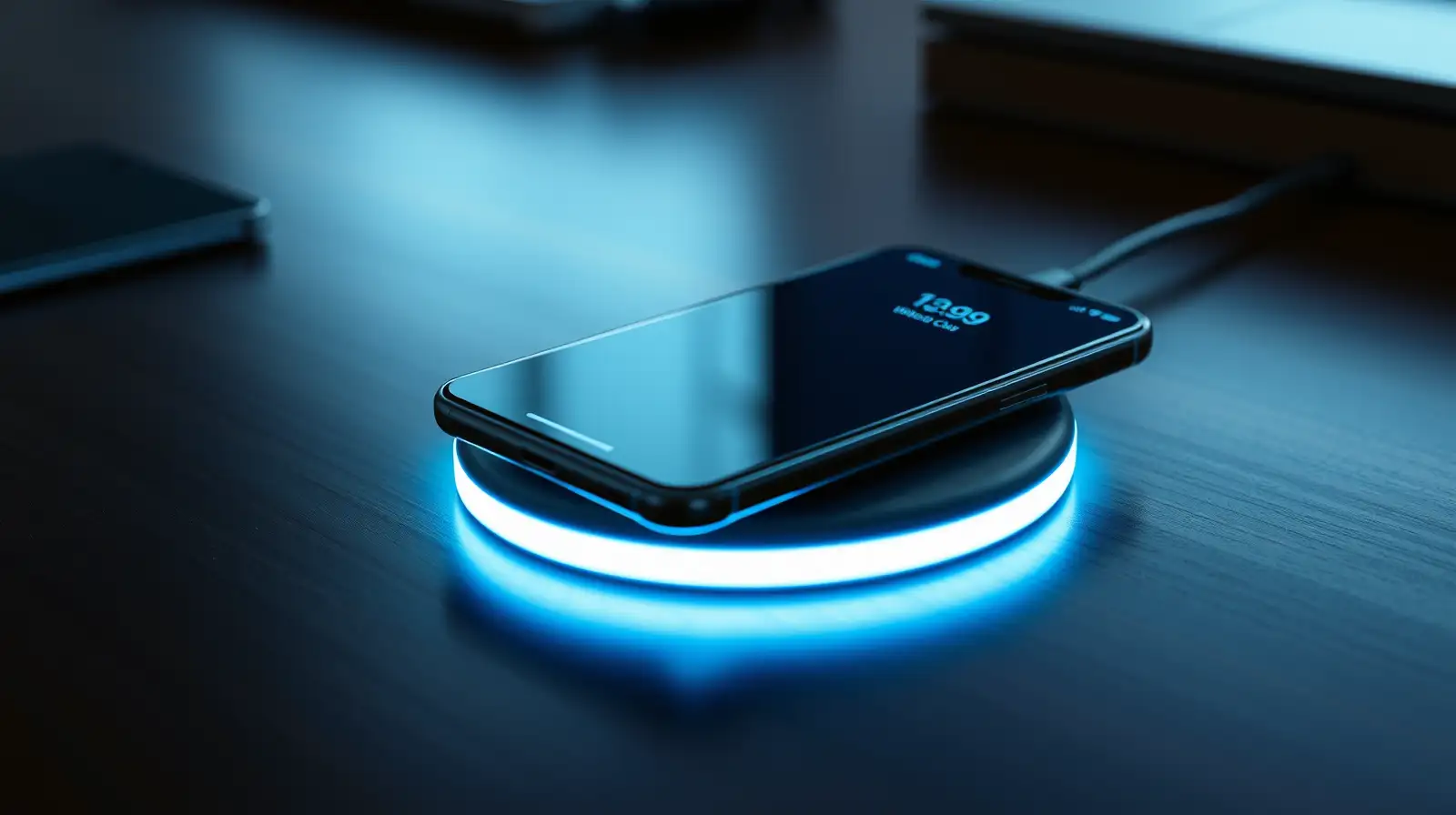
Electricity enters the charging pad and passes through a coil of wire. The electronics inside the pad rapidly change the current flowing through this coil, creating a changing magnetic field around it.
This magnetic field is the key to the entire process.
Unlike a traditional charger, the electricity does not need to make direct physical contact with the phone's charging circuit. Instead, energy is transferred through electromagnetic induction .
When the phone is placed close enough to the charging pad, the changing magnetic field produced by the pad passes through this second coil.
According to the principles of electromagnetic induction, a changing magnetic field can induce an electrical current in a nearby conductor.
The phone therefore receives electrical energy without a metal connection between the two devices.
The phone's charging circuitry converts and regulates the incoming electrical energy before it reaches the battery. Sophisticated control systems constantly manage factors such as voltage, current and temperature.
This is why wireless charging is much more than simply placing a coil next to another coil.
The phone and charger need to communicate and regulate the process so that energy is delivered safely and efficiently.
If the phone is significantly off-centre, the magnetic coupling between the two coils becomes weaker. Less energy can then be transferred efficiently, which can increase charging time or generate additional heat.
Modern charging systems have improved alignment and power management, but physical positioning still matters.
This is also why some charging accessories use magnets to help keep the phone and charging coil in the right position.
In reality, some energy is lost during the conversion and transfer process, often appearing as heat. This is one reason wired charging can be more efficient in certain situations.
The efficiency depends on the charging technology, distance between the coils, alignment and other factors.
Wireless charging therefore trades some efficiency for convenience.
The principles of electromagnetic induction were demonstrated during the 19th century, particularly through the work of scientists such as Michael Faraday. Modern wireless charging simply applies these established principles using compact electronics and precisely designed coils.
What once required laboratory equipment can now happen on a bedside table.
A charging pad creates a changing magnetic field, a coil inside the phone responds to it, and electronics turn the induced energy into usable power for the battery.
So when a phone begins charging without a cable, nothing mysterious is happening. It is a compact, modern application of electromagnetic physics that scientists began understanding more than a century ago.
The Process Begins Inside the Charging Pad
A wireless charging pad is connected to a power source just like a conventional charger.Electricity enters the charging pad and passes through a coil of wire. The electronics inside the pad rapidly change the current flowing through this coil, creating a changing magnetic field around it.
This magnetic field is the key to the entire process.
Unlike a traditional charger, the electricity does not need to make direct physical contact with the phone's charging circuit. Instead, energy is transferred through electromagnetic induction .
Your Phone Has Its Own Charging Coil
Inside compatible smartphones is another coil, usually positioned towards the back of the device.When the phone is placed close enough to the charging pad, the changing magnetic field produced by the pad passes through this second coil.
According to the principles of electromagnetic induction, a changing magnetic field can induce an electrical current in a nearby conductor.
The phone therefore receives electrical energy without a metal connection between the two devices.
The Electricity Still Needs to Be Converted
The current generated inside the phone is not immediately suitable for charging the battery.The phone's charging circuitry converts and regulates the incoming electrical energy before it reaches the battery. Sophisticated control systems constantly manage factors such as voltage, current and temperature.
This is why wireless charging is much more than simply placing a coil next to another coil.
The phone and charger need to communicate and regulate the process so that energy is delivered safely and efficiently.
Why Alignment Matters
Wireless charging works best when the coils are positioned correctly.If the phone is significantly off-centre, the magnetic coupling between the two coils becomes weaker. Less energy can then be transferred efficiently, which can increase charging time or generate additional heat.
Modern charging systems have improved alignment and power management, but physical positioning still matters.
This is also why some charging accessories use magnets to help keep the phone and charging coil in the right position.
Wireless Does Not Mean Lossless
One common misconception is that wireless charging transfers energy with no losses.In reality, some energy is lost during the conversion and transfer process, often appearing as heat. This is one reason wired charging can be more efficient in certain situations.
You may also like
- California city declares State emergency as cyber attacks hit crucial services, including 911: Here's what happened
- Fresher hiring intent rises to 75 pc, AI skills gain prominence
- Google Drive to end Photos backups starting August 10: What users need to do
- Melbourne man asked his AI assistant to book a gym class, and it went on to hack the gym; it is the assistant that Sam Altman spent millions on to ...
- Jeff Bezos says he does not want any employee at Amazon celebrating what was never really…
The efficiency depends on the charging technology, distance between the coils, alignment and other factors.
Wireless charging therefore trades some efficiency for convenience.
The Idea Is Older Than Smartphones
The science behind wireless charging is not new.The principles of electromagnetic induction were demonstrated during the 19th century, particularly through the work of scientists such as Michael Faraday. Modern wireless charging simply applies these established principles using compact electronics and precisely designed coils.
What once required laboratory equipment can now happen on a bedside table.
A Small Demonstration of Big Physics
Wireless charging is a good reminder that electricity does not always need a visible path between two objects.A charging pad creates a changing magnetic field, a coil inside the phone responds to it, and electronics turn the induced energy into usable power for the battery.
So when a phone begins charging without a cable, nothing mysterious is happening. It is a compact, modern application of electromagnetic physics that scientists began understanding more than a century ago.






Loving Newspoint? Download the app now
