
Malware Alert: 10 Warning Signs Your Computer Could Already Be Compromised

Malware can find its way onto a computer through suspicious links, infected downloads, fake software updates or malicious email attachments. According to cybersecurity experts, many users do not realise their devices have been compromised until noticeable performance issues or unusual behaviour begin to appear. While some symptoms may have harmless explanations, a combination of warning signs should never be ignored. Identifying a possible malware infection early can help limit damage, protect sensitive information and reduce the chances of data loss or identity theft.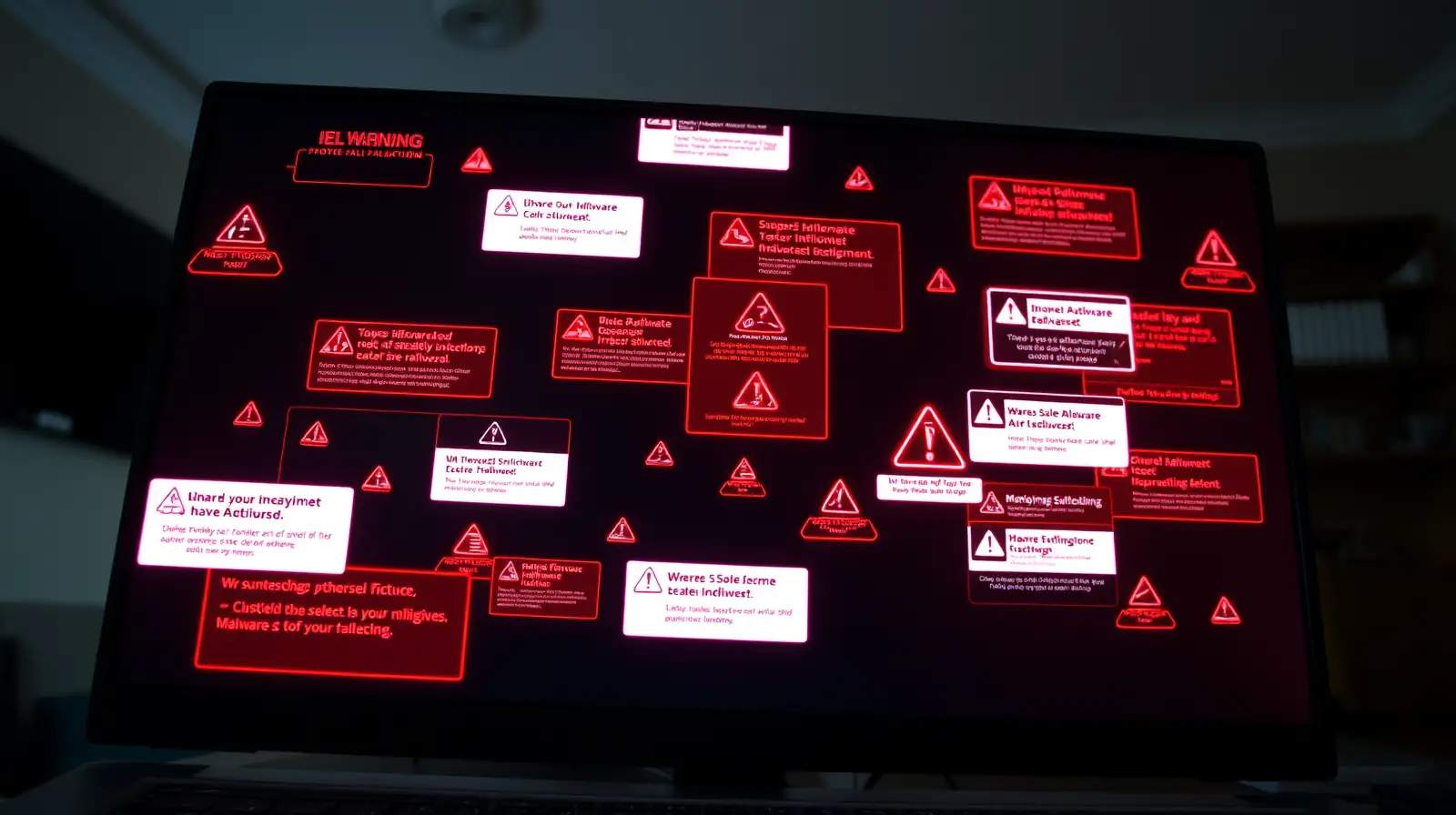
Staying cautious online remains one of the best cybersecurity tips . Avoid downloading software from untrusted sources, keep applications updated and think carefully before opening unfamiliar links or attachments. These simple habits can go a long way in helping protect your PC from future malware infections.
1. Your Computer Has Become Unusually Slow
A sudden drop in performance without any obvious reason could indicate malicious software running in the background and consuming system resources.2. Frequent Pop-Up Advertisements
If unwanted adverts appear constantly, even when your browser is closed or you're not visiting suspicious websites, adware or another form of malware may be responsible.3. Programmes Crash Unexpectedly
Applications that repeatedly freeze or close without warning may point to system instability. According to experts, malware can interfere with normal software operations.4. Your Browser Keeps Redirecting
Being redirected to unfamiliar websites or finding that your homepage or search engine has changed without permission is a common warning sign.You may also like
- While tech layoffs cross 1 lakh in US, Europe's biggest technology company is offering employees $20,000-plus bonus if they stay until 2030
- India can produce green jet fuel at 40 pc below global cost: Study
- Samsung built the foldable smartphone market, now it must defend it
- Google and YouTube launch Digital Wellbeing guidebook for Indian families
- Google employees' Union president gives what is called 'never-before-delivered' petition to CEO Sundar Pichai; says: Make no mistake that this is a company that is...
5. Unknown Programmes Appear
If software you never installed suddenly shows up on your computer, it could have been bundled with malicious downloads or installed without your knowledge.6. Antivirus Software Stops Working
Some malware is designed to disable security tools to avoid detection. If your antivirus suddenly turns off or refuses to update, investigate immediately.7. High Network Or Data Usage
Unexpected spikes in internet activity may indicate malware communicating with remote servers or secretly downloading additional malicious files.8. Files Go Missing Or Become Encrypted
If documents disappear, become inaccessible or display unusual file extensions, ransomware or another type of malware could be involved.9. Unusual Account Activity
Receiving password reset emails you did not request or noticing unfamiliar logins may suggest your credentials have been compromised.10. The Computer Restarts On Its Own
Frequent unexpected restarts or repeated error messages, particularly when combined with other symptoms, may indicate a deeper security problem.What To Do If You Suspect Malware
If you notice several of these computer virus symptoms , disconnect your device from the internet if practical and run a full scan using trusted computer security software. Experts also recommend updating your operating system, changing important passwords from a clean device and backing up essential files.Staying cautious online remains one of the best cybersecurity tips . Avoid downloading software from untrusted sources, keep applications updated and think carefully before opening unfamiliar links or attachments. These simple habits can go a long way in helping protect your PC from future malware infections.






Loving Newspoint? Download the app now
