
OpenAI’s GPT-5.6 Release Limited After White House Pushes for Tighter AI Oversight

OpenAI’s release of its newest model, GPT 5.6, reportedly won’t be like its previous releases. Instead of distributing it to the public, the company plans to share it only with a select group of close partners because the Trump administration told it to, reports The Information.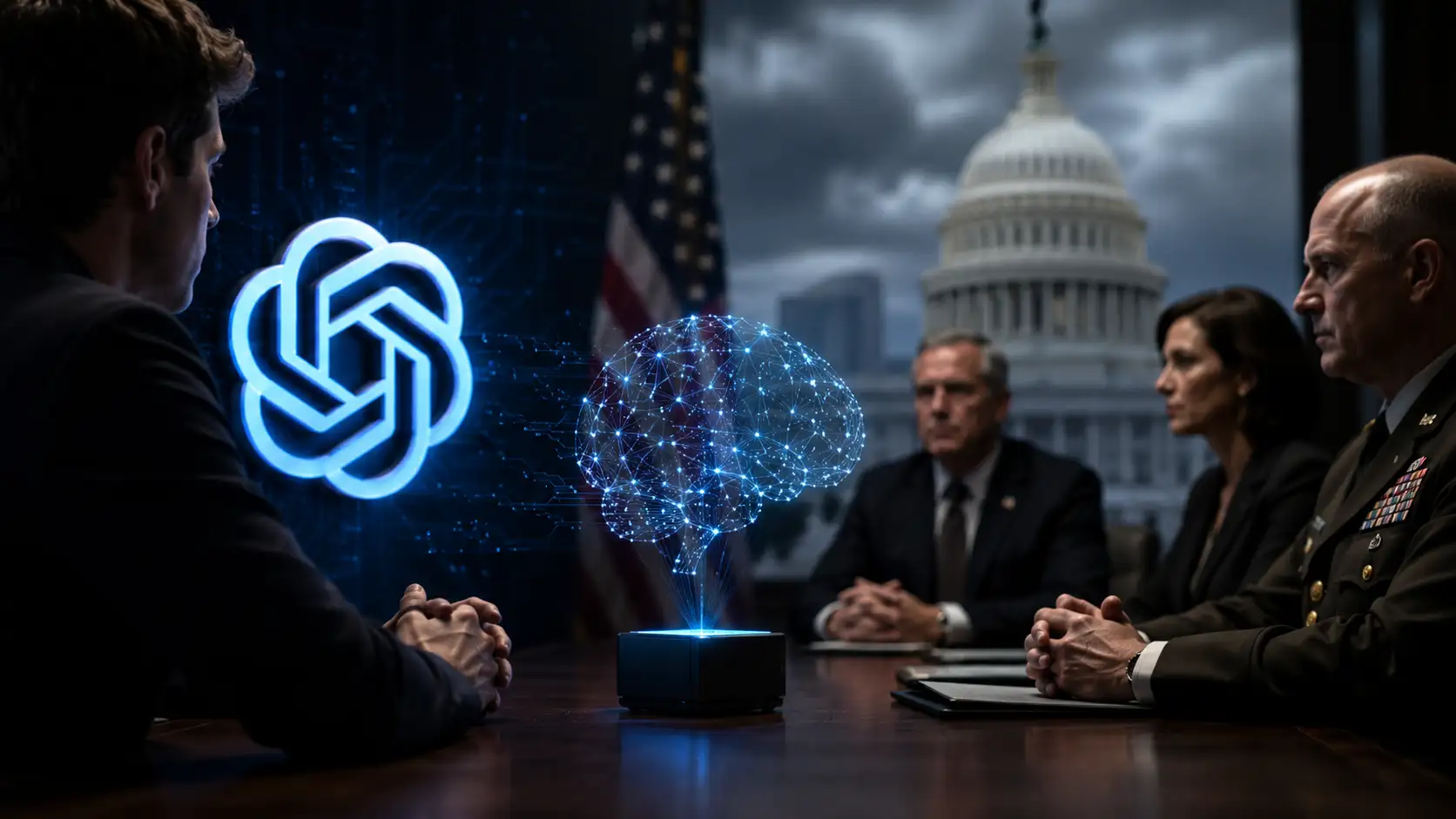
At a meeting this week, CEO Sam Altman reportedly told staff that the government would be ‘approving access to customer by customer’ during a preview period. Altman reportedly added that if the limited release goes well, OpenAI hopes to follow with a general, broader release a “couple of weeks later.”
In other words, the Trump administration appears to be pressuring OpenAI to do what Anthropic is already voluntarily doing: keeping its most powerful AI models under wraps.
According to The Information, OpenAI’s new model is not only being reviewed by the administration, but its staffers also ‘worked closely’ with the government on the upcoming release. The agencies that reportedly asked for a limited release were the Office of the National Cyber Director and the Office of Science and Technology Policy.
Earlier this year, Anthropic sparked no small amount of controversy when it announced that its new frontier cyber model, Claude Mythos, would only be released to a small coterie of partners through a program called Project Glasswing. Anthropic argued that its model was simply too powerful and could, in the wrong hands, cause more harm than good. Observers have since debated whether Anthropic’s rhetoric is a mere marketing gimmick or a legitimate attempt to keep a powerful model from being misused. The answer may be somewhere in between.
In the interim, there’s confusion among AI companies on who or which agency is directing AI regulation . The request to OpenAI came from the White House, whereas the export control ban on Anthropic came from the Commerce Department.
The government should be involved in conversations about AI safety, especially those that impact national security, experts say. But as it stands, there is no transparent, consistent framework for regulating AI and experts fret that could stifle the industry.
“The Fable episode shows the need for clear regulations. Right now, you have an ad hoc, personalized, opaque, possibly lawless approach,” Brad Carson, head of Public First, a bipartisan pro-AI safety super PAC said last week. “It is certainly appropriate for the government to recall dangerous products, including AI models, but it has to be done in a way consistent with transparency and basic fairness.”
At a meeting this week, CEO Sam Altman reportedly told staff that the government would be ‘approving access to customer by customer’ during a preview period. Altman reportedly added that if the limited release goes well, OpenAI hopes to follow with a general, broader release a “couple of weeks later.”
In other words, the Trump administration appears to be pressuring OpenAI to do what Anthropic is already voluntarily doing: keeping its most powerful AI models under wraps.
According to The Information, OpenAI’s new model is not only being reviewed by the administration, but its staffers also ‘worked closely’ with the government on the upcoming release. The agencies that reportedly asked for a limited release were the Office of the National Cyber Director and the Office of Science and Technology Policy.
Trump Calls For Check
The Trump administration which originally positioned itself as taking a ‘hands off’ approach to AI has in recent months pushed for federal oversight of new models. Earlier this month, Trump signed an executive order directing certain AI companies to voluntarily submit new models to the government for testing and evaluation before releasing them publicly.You may also like
- Upcoming Apple products expected for 2026: New iPhones, Mac, iPads and wearables
- New budget Samsung phone gets upgrade even the Galaxy S26 can't match
- Pharmeasy founders' new venture All Home raises Rs 200 crore
- American billionaire Mark Cuban says that the problem is not Elon Musk becoming a trillionaire; but there are people who cannot pay …
- After pleading with the US government for months to allow sale of high-end Nvidia chips in China; CEO Jensen Huang now tells Shareholders: National security is ...
Earlier this year, Anthropic sparked no small amount of controversy when it announced that its new frontier cyber model, Claude Mythos, would only be released to a small coterie of partners through a program called Project Glasswing. Anthropic argued that its model was simply too powerful and could, in the wrong hands, cause more harm than good. Observers have since debated whether Anthropic’s rhetoric is a mere marketing gimmick or a legitimate attempt to keep a powerful model from being misused. The answer may be somewhere in between.
OpenAI declined to comment
Though President Donald Trump signed an executive order earlier this month that asked AI companies with advanced models to voluntarily submit them for government review 30 days before release, the framework for that has not been established.In the interim, there’s confusion among AI companies on who or which agency is directing AI regulation . The request to OpenAI came from the White House, whereas the export control ban on Anthropic came from the Commerce Department.
The government should be involved in conversations about AI safety, especially those that impact national security, experts say. But as it stands, there is no transparent, consistent framework for regulating AI and experts fret that could stifle the industry.
“The Fable episode shows the need for clear regulations. Right now, you have an ad hoc, personalized, opaque, possibly lawless approach,” Brad Carson, head of Public First, a bipartisan pro-AI safety super PAC said last week. “It is certainly appropriate for the government to recall dangerous products, including AI models, but it has to be done in a way consistent with transparency and basic fairness.”






More from our partners


Loving Newspoint? Download the app now
