
Quote of the day by Elon Musk: "Some people don't like change, but you need to…" - a reminder that standing still can be the riskiest move of all


We like to think of change as the dangerous choice and staying the same as the safe one. Elon Musk flips that idea around. He points out that sometimes refusing to change is what leads to ruin, while embracing it, however uncomfortable, is the only way to survive. It is a simple thought, but it cuts against a deep human instinct. Most of us cling to what is familiar, even when the familiar is quietly falling apart. This quote is a nudge to look honestly at our situation and ask a harder question. What happens if I do not change at all?
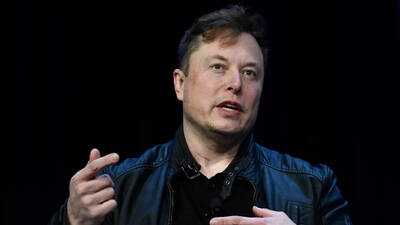
Quote of the day by Elon Musk
"Some people don't like change, but you need to embrace change if the alternative is disaster."
Elon Musk: The man behind the bold bets
Elon Musk is one of the most well known entrepreneurs in the world, best known for leading the electric car company Tesla and the rocket company SpaceX. Whatever one thinks of him, his career has been built on attempting things that many people insisted could not be done.
He bet on electric cars when most of the industry doubted them, and on reusable rockets when the idea sounded like science fiction. Both of those bets meant breaking with how things had always been done. In a sense, his whole working life has been one long argument for change. So when he talks about embracing it before disaster strikes, he is describing the approach that shaped everything he built.
When staying the same is the real danger
The heart of the quote is the idea that not all situations are stable. Sometimes the ground beneath you is shifting, and standing still simply means sinking with it.
Musk is not saying you should chase change for its own sake or throw out everything that works. His point is sharper than that. When the old way is clearly heading toward failure, refusing to adapt is not caution. It is a slow walk into trouble. The discomfort of changing feels real and immediate, so we avoid it. The cost of not changing feels distant, so we ignore it, right up until it arrives. The quote asks us to weigh those two costs honestly, instead of always defaulting to whatever feels comfortable today.
Why this hits home for all of us
You do not need to run a company to see the truth in this. History is full of examples of what happens when people and businesses refuse to move with the times.
Kodak, the company that once ruled photography, actually invented an early digital camera, then clung to film because that is where its money was. The world moved on without it. Blockbuster, the giant of video rental, had the chance to adapt to streaming and chose not to. It vanished. The same pattern shows up in ordinary life, in careers that fade because someone refused to learn a new skill, or habits that quietly cause harm because changing them felt like too much effort. In every case, the disaster did not come from changing. It came from refusing to.
How to handle change better
The good news is that getting better at change is a skill, not a personality trait. A few simple habits make it far less frightening.
Quote of the day by Elon Musk
"Some people don't like change, but you need to embrace change if the alternative is disaster."
Elon Musk: The man behind the bold bets
Elon Musk is one of the most well known entrepreneurs in the world, best known for leading the electric car company Tesla and the rocket company SpaceX. Whatever one thinks of him, his career has been built on attempting things that many people insisted could not be done.
He bet on electric cars when most of the industry doubted them, and on reusable rockets when the idea sounded like science fiction. Both of those bets meant breaking with how things had always been done. In a sense, his whole working life has been one long argument for change. So when he talks about embracing it before disaster strikes, he is describing the approach that shaped everything he built.
When staying the same is the real danger
The heart of the quote is the idea that not all situations are stable. Sometimes the ground beneath you is shifting, and standing still simply means sinking with it.
Musk is not saying you should chase change for its own sake or throw out everything that works. His point is sharper than that. When the old way is clearly heading toward failure, refusing to adapt is not caution. It is a slow walk into trouble. The discomfort of changing feels real and immediate, so we avoid it. The cost of not changing feels distant, so we ignore it, right up until it arrives. The quote asks us to weigh those two costs honestly, instead of always defaulting to whatever feels comfortable today.
Why this hits home for all of us
You do not need to run a company to see the truth in this. History is full of examples of what happens when people and businesses refuse to move with the times.
Kodak, the company that once ruled photography, actually invented an early digital camera, then clung to film because that is where its money was. The world moved on without it. Blockbuster, the giant of video rental, had the chance to adapt to streaming and chose not to. It vanished. The same pattern shows up in ordinary life, in careers that fade because someone refused to learn a new skill, or habits that quietly cause harm because changing them felt like too much effort. In every case, the disaster did not come from changing. It came from refusing to.
How to handle change better
The good news is that getting better at change is a skill, not a personality trait. A few simple habits make it far less frightening.
- Ask whether standing still is really the safe option. We tend to treat change as the gamble and staying put as the sure thing. Be honest about which one actually carries the bigger risk in your situation.
- Start small instead of waiting for a giant leap. One modest change made today is far easier than a huge one forced on you in a panic later. Small steps build the courage for bigger ones.
- Tell nerves apart from genuine warning signs. Some of your resistance is just discomfort with the unfamiliar. Learn to separate that ordinary fear from a real reason to be careful.
- Keep an eye on the wider world, not just your own routine. Jobs, tools and industries shift constantly. Noticing where things are heading lets you change by choice, rather than being dragged into it by a crisis.
Next Story