
How Artificial Intelligence Is Transforming Modern Healthcare

Artificial intelligence is rapidly changing how healthcare systems operate around the world. Hospitals, clinics, and research centers are increasingly using AI powered tools to improve patient care, reduce errors, and save valuable time.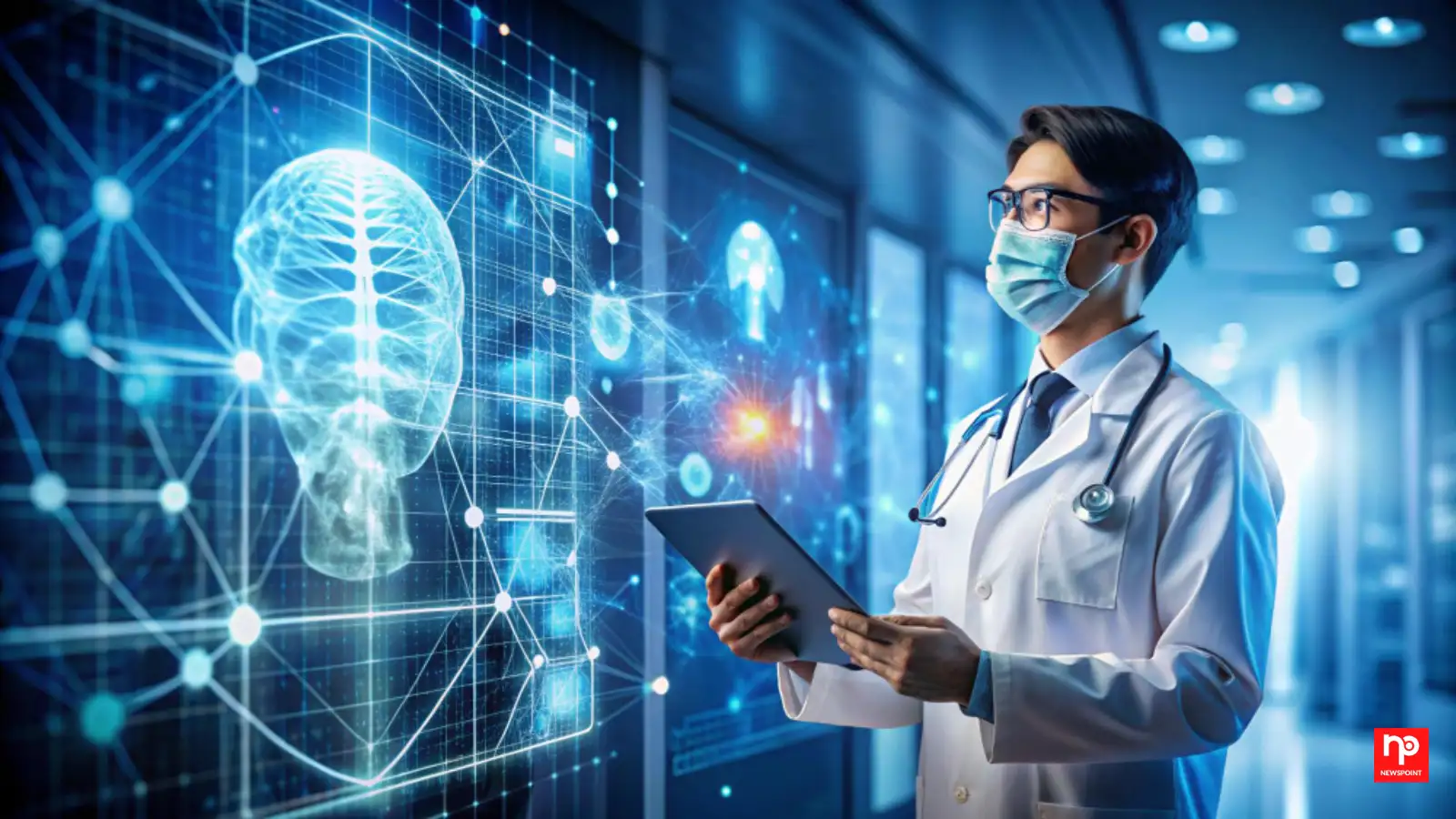
From faster disease detection to smarter hospital management, AI is becoming an important part of modern medicine. While technology cannot replace doctors, it is helping healthcare professionals make quicker and more informed decisions.
Doctors now use AI tools to support diagnosis in areas like radiology, cancer screening, and heart health monitoring. This can help patients receive treatment earlier and improve overall outcomes.
For example, wearable devices and health apps collect information about sleep, activity, and heart rate. AI systems can analyze this data and provide useful insights for managing lifestyle related conditions.
This personalized approach may become even more advanced in the future as healthcare technology continues to improve.
This allows doctors and nurses to spend more time focusing on patient care instead of routine administrative work. In busy healthcare environments, even small time savings can make a significant difference.
Patients today are already seeing benefits through faster services, virtual health assistants, and smarter monitoring systems. As technology develops further, AI may help make healthcare more accessible, efficient, and personalized for people around the world.
The future of medicine will likely combine human expertise with intelligent technology, creating healthcare systems that are both more advanced and more responsive to patient needs.
From faster disease detection to smarter hospital management, AI is becoming an important part of modern medicine. While technology cannot replace doctors, it is helping healthcare professionals make quicker and more informed decisions.
Faster Diagnosis and Better Accuracy
One of the biggest advantages of AI in healthcare is speed. AI systems can analyze large amounts of medical data much faster than humans. In some cases, advanced software can detect patterns in scans or reports that may be difficult to notice immediately.Doctors now use AI tools to support diagnosis in areas like radiology, cancer screening, and heart health monitoring. This can help patients receive treatment earlier and improve overall outcomes.
Personalized Treatment Is Becoming More Common
Healthcare is slowly moving away from one size fits all treatment approaches. AI helps doctors study patient data more carefully and create personalized care plans based on individual needs.You may also like
- Minecraft 26.2 update gets seventh snapshot: Friend-list system, multiplayer support and other changes coming to the game
- Canon EOS R6 V with RF 20-50 F4L IS USM lens launched: Price in India, features about the company's latest camera for video makers
- GTA 6 fans resort to extreme measures to discover Trailer 3 release date
- As GM cuts hundreds of tech jobs; laid off employees say while 'describing job terminations': Oddly timed virtual meeting, scripted message from …
- SoftBank logs $600 million paper loss on India-listed portfolio in Jan-Mar
For example, wearable devices and health apps collect information about sleep, activity, and heart rate. AI systems can analyze this data and provide useful insights for managing lifestyle related conditions.
This personalized approach may become even more advanced in the future as healthcare technology continues to improve.
Reducing Workload for Healthcare Professionals
Hospitals often deal with large amounts of paperwork and administrative tasks. AI powered systems are helping automate scheduling, patient records, billing processes, and appointment reminders.This allows doctors and nurses to spend more time focusing on patient care instead of routine administrative work. In busy healthcare environments, even small time savings can make a significant difference.
The Future of Healthcare Technology
Artificial intelligence still faces challenges related to privacy, accuracy, and ethical use. However, its impact on healthcare is expected to grow significantly over the coming years.Patients today are already seeing benefits through faster services, virtual health assistants, and smarter monitoring systems. As technology develops further, AI may help make healthcare more accessible, efficient, and personalized for people around the world.
The future of medicine will likely combine human expertise with intelligent technology, creating healthcare systems that are both more advanced and more responsive to patient needs.






More from our partners


Loving Newspoint? Download the app now
