
Scientists say current Antarctic ice loss can guide sea-level planning until mid-century, but forecasts become far less certain later as retreat may accelerate


Governments have a crucial 30 to 50 year window to plan for rising sea levels using dependable computer models, before Antarctic ice melt becomes far harder to predict.
Scientists say current Antarctic ice loss can guide sea-level planning until mid-century, but forecasts become far less certain later as retreat may accelerate. According to a study published on 23 July in the journal Nature, computer models can reliably track melting ice over the next few decades. Led by Dr Felicity McCormack of Monash University and Securing Antarctica's Environmental Future (SAEF), the research team evaluated various ice sheet models to test how far ahead ice loss can be accurately projected.
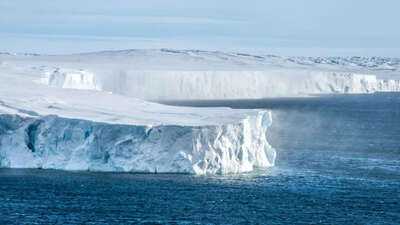
Scientists say current Antarctic ice loss can guide sea-level planning until mid-century, but forecasts become far less certain later as retreat may accelerate. According to a study published on 23 July in the journal Nature, computer models can reliably track melting ice over the next few decades. Led by Dr Felicity McCormack of Monash University and Securing Antarctica's Environmental Future (SAEF), the research team evaluated various ice sheet models to test how far ahead ice loss can be accurately projected.
Next Story