
The Strange History of Phone Numbers and Why They Exist

Today, remembering phone numbers feels increasingly unnecessary. Smartphones store contacts automatically, and messaging apps often work without numbers at all.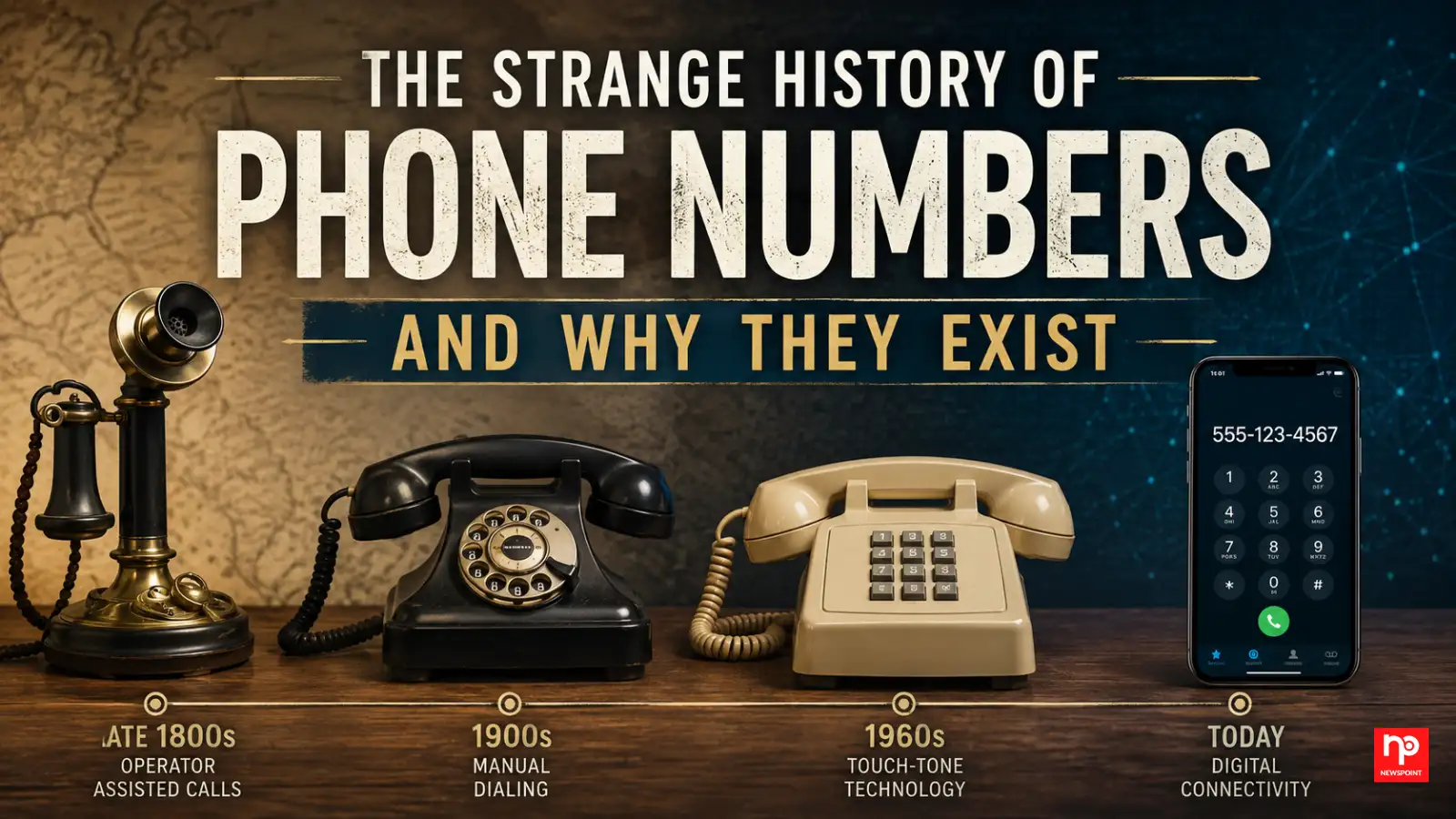
But for most of the twentieth century, phone numbers were among the most important pieces of personal information people memorised.
The system itself has a surprisingly interesting history.
In small towns, people sometimes requested calls simply by saying a person’s name or business location.
As telephone systems expanded rapidly, this approach quickly became impractical. Operators could no longer remember every subscriber manually in growing cities.
Number-based systems solved the problem by creating organised ways to identify individual connections.
The first few letters represented local exchange names while the remaining digits identified individual lines.
This system made numbers easier to remember before digital contact storage existed.
Films, advertisements, and songs from the mid-twentieth century often referenced these exchange names because they became part of everyday culture.
Governments and telecom organisations needed structures capable of supporting millions of users reliably across different regions and countries.
Area codes, country codes, and standardised formats eventually emerged to handle growing complexity.
The modern numbering system quietly supports billions of global connections every day.
Researchers studying digital behaviour found many users today can recall very few phone numbers from memory compared to previous generations.
Instead of memorising contacts directly, people now rely heavily on device storage and search functions.
Technology reduced cognitive effort while simultaneously making users more dependent on digital systems.
Yet behind every simple contact lies more than a century of communication infrastructure evolution.
Even as messaging platforms continue changing how humans connect, numbered identity systems remain one of the invisible foundations supporting modern global communication.
But for most of the twentieth century, phone numbers were among the most important pieces of personal information people memorised.
The system itself has a surprisingly interesting history.
Early Telephones Did Not Use Numbers
When telephone networks first appeared, users often connected through local operators instead of dialling directly.In small towns, people sometimes requested calls simply by saying a person’s name or business location.
As telephone systems expanded rapidly, this approach quickly became impractical. Operators could no longer remember every subscriber manually in growing cities.
Number-based systems solved the problem by creating organised ways to identify individual connections.
Why Old Numbers Included Words
Many older telephone systems combined letters with numbers. Names like “Butterfield 8” or “Pennsylvania 6” reflected telephone exchanges linked to specific areas.The first few letters represented local exchange names while the remaining digits identified individual lines.
This system made numbers easier to remember before digital contact storage existed.
Films, advertisements, and songs from the mid-twentieth century often referenced these exchange names because they became part of everyday culture.
The Explosion of Global Communication
As populations grew and international communication expanded, numbering systems became increasingly standardised.Governments and telecom organisations needed structures capable of supporting millions of users reliably across different regions and countries.
Area codes, country codes, and standardised formats eventually emerged to handle growing complexity.
You may also like
- Everything Google announced at I/O 2026: Gemini 3.5, Omni, Spark, and the Search that's changed forever
- Motorola Razr Fold and Moto Buds 2 Plus go on sale in India: Launch offers, key features and other things to know
- U&i expands Entry Star series With ANC neckband, powerbank, and car chargers, price starts at Rs 399
- Forget fibre broadband, new Wi-Fi device will change the way you access the web
- LinkedIn to lay off over 600 employees
The modern numbering system quietly supports billions of global connections every day.
Mobile Phones Changed Human Memory
Interestingly, smartphones dramatically changed how people remember information.Researchers studying digital behaviour found many users today can recall very few phone numbers from memory compared to previous generations.
Instead of memorising contacts directly, people now rely heavily on device storage and search functions.
Technology reduced cognitive effort while simultaneously making users more dependent on digital systems.
A System Most People Never Think About
Phone numbers became so normal that most people rarely question where the system came from or why it developed that way.Yet behind every simple contact lies more than a century of communication infrastructure evolution.
Even as messaging platforms continue changing how humans connect, numbered identity systems remain one of the invisible foundations supporting modern global communication.






More from our partners


Loving Newspoint? Download the app now
