
What If GPS Failed for a Day? The World Could Face Major Disruption

Most people associate GPS with navigation apps that help drivers avoid traffic. In reality, the Global Positioning System supports far more than directions. Financial markets, mobile phone networks, shipping operations, aviation systems and emergency services all depend on highly accurate timing signals provided by GPS satellites . If GPS stopped working for just 24 hours, the effects would extend far beyond getting lost. The disruption could ripple through economies, transport networks and communication systems around the world.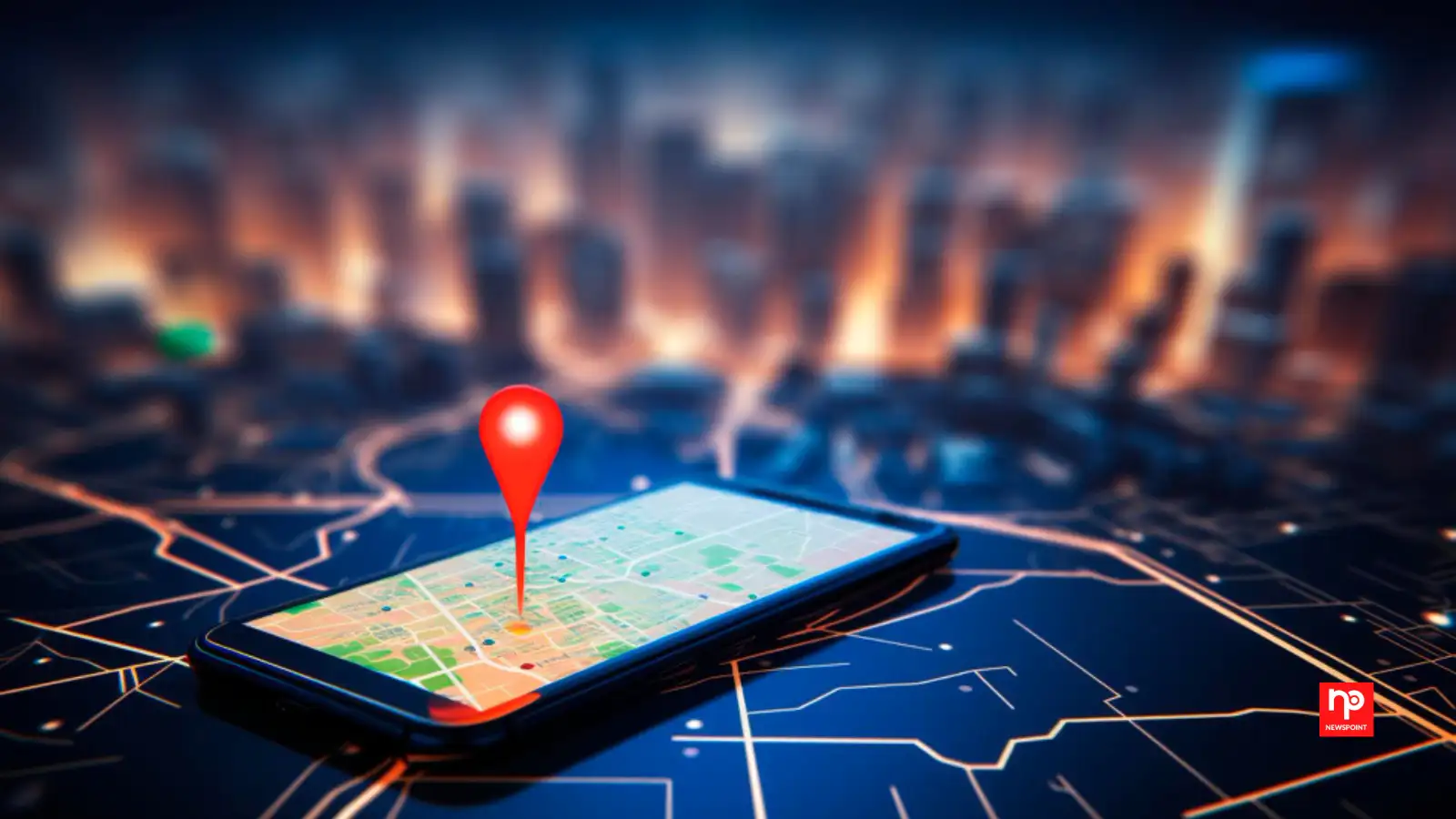
Banking transactions, telecommunications infrastructure and power grids often rely on this precision.
Shipping companies and logistics providers would also face delays. Modern supply chains depend heavily on accurate positioning data.
Without GPS timing signals, some trading systems could experience delays or require alternative synchronisation methods.
Emergency responders would still operate, but locating incidents and coordinating resources could become more difficult.
However, a large-scale GPS outage would reveal how deeply satellite infrastructure is woven into daily life.
More Than Just Maps
GPS provides location information, but its timing function is equally important. Many critical systems synchronise their operations using signals from GPS satellites.Banking transactions, telecommunications infrastructure and power grids often rely on this precision.
Transport Would Feel the Impact Quickly
Airlines use satellite navigation extensively. While pilots have backup systems, flight operations could become more complicated and less efficient.Shipping companies and logistics providers would also face delays. Modern supply chains depend heavily on accurate positioning data.
Financial Networks Could Be Disrupted
Financial institutions require precise timestamps to process transactions and maintain regulatory compliance.Without GPS timing signals, some trading systems could experience delays or require alternative synchronisation methods.
Mobile Networks and Emergency Services
Mobile phone towers often depend on GPS timing. A prolonged outage could affect network performance and capacity.Emergency responders would still operate, but locating incidents and coordinating resources could become more difficult.
Could Society Cope?
Fortunately, many critical systems include backup procedures. Alternative navigation technologies and timing systems exist.However, a large-scale GPS outage would reveal how deeply satellite infrastructure is woven into daily life.
Next Story