
Why So Many People Forget Passwords Despite Using Them Daily

Modern life depends heavily on passwords. Banking apps, streaming services, work accounts, shopping platforms, email systems, and social media all require separate login credentials. Yet despite using passwords constantly, people still forget them remarkably often.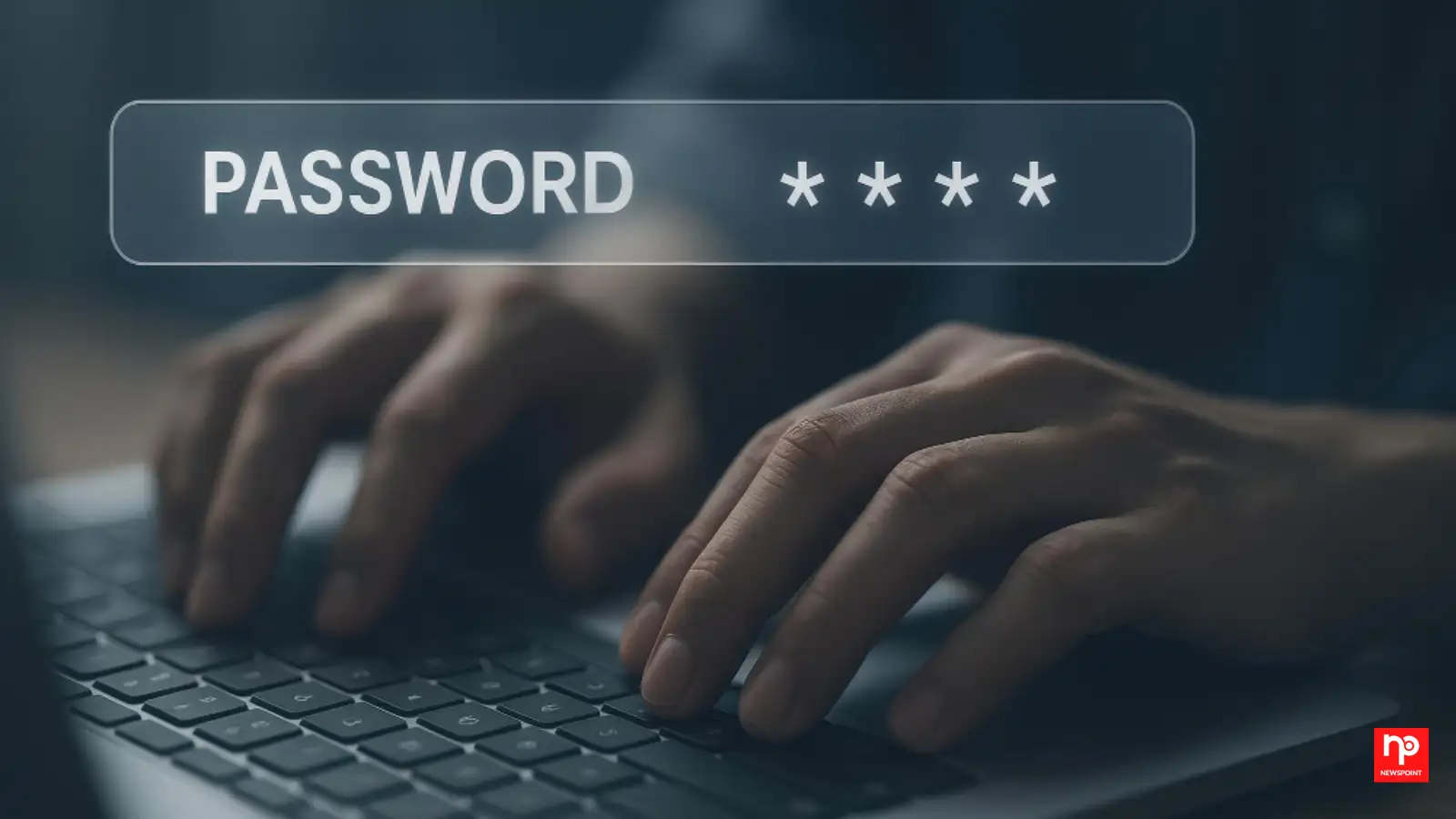
The problem comes from how human memory interacts with digital security demands.
Unfortunately, strong cybersecurity practices often require exactly those kinds of difficult passwords.
As online accounts multiplied rapidly, memory systems designed for ordinary human relationships became overloaded with artificial security data instead.
Cybersecurity experts repeatedly warn against this because one leaked password can potentially expose multiple accounts simultaneously.
Still, convenience often wins over ideal security behaviour.
This inconsistency increases confusion further, especially when users update passwords repeatedly over time.
Many people eventually forget which variation belongs to which platform.
Biometric systems such as fingerprints and face recognition also started replacing traditional passwords gradually in some situations.
Managing digital identity now requires remembering far more security information than previous generations ever faced.
The internet made life more connected and convenient, but it also quietly turned memory itself into a daily cybersecurity challenge.
The problem comes from how human memory interacts with digital security demands.
Human Memory Was Not Built for Dozens of Passwords
People naturally remember meaningful information more easily than random combinations of symbols, numbers, and uppercase letters.Unfortunately, strong cybersecurity practices often require exactly those kinds of difficult passwords.
As online accounts multiplied rapidly, memory systems designed for ordinary human relationships became overloaded with artificial security data instead.
Password Reuse Became Common
Because remembering many unique passwords feels difficult, many users reuse the same passwords across multiple websites.Cybersecurity experts repeatedly warn against this because one leaked password can potentially expose multiple accounts simultaneously.
Still, convenience often wins over ideal security behaviour.
Password Rules Increased Frustration
Different websites impose different password requirements involving symbols, length rules, numbers, and capital letters.This inconsistency increases confusion further, especially when users update passwords repeatedly over time.
Many people eventually forget which variation belongs to which platform.
Password Managers Became More Important
Password manager apps gained popularity because they store complex passwords securely while reducing memory burden for users.Biometric systems such as fingerprints and face recognition also started replacing traditional passwords gradually in some situations.
Digital Identity Became Complicated
Passwords reveal how modern technology created entirely new mental responsibilities for ordinary people.Managing digital identity now requires remembering far more security information than previous generations ever faced.
The internet made life more connected and convenient, but it also quietly turned memory itself into a daily cybersecurity challenge.
Next Story