
How Gadgets Quietly Took Over Everyday Living Spaces

Smartphones, tablets, laptops, gaming consoles, smart televisions, speakers, routers, chargers, wearable devices, and kitchen gadgets now occupy almost every room. Yet despite these innovations promising convenience and simplicity, many people feel their homes became more crowded and cluttered over time.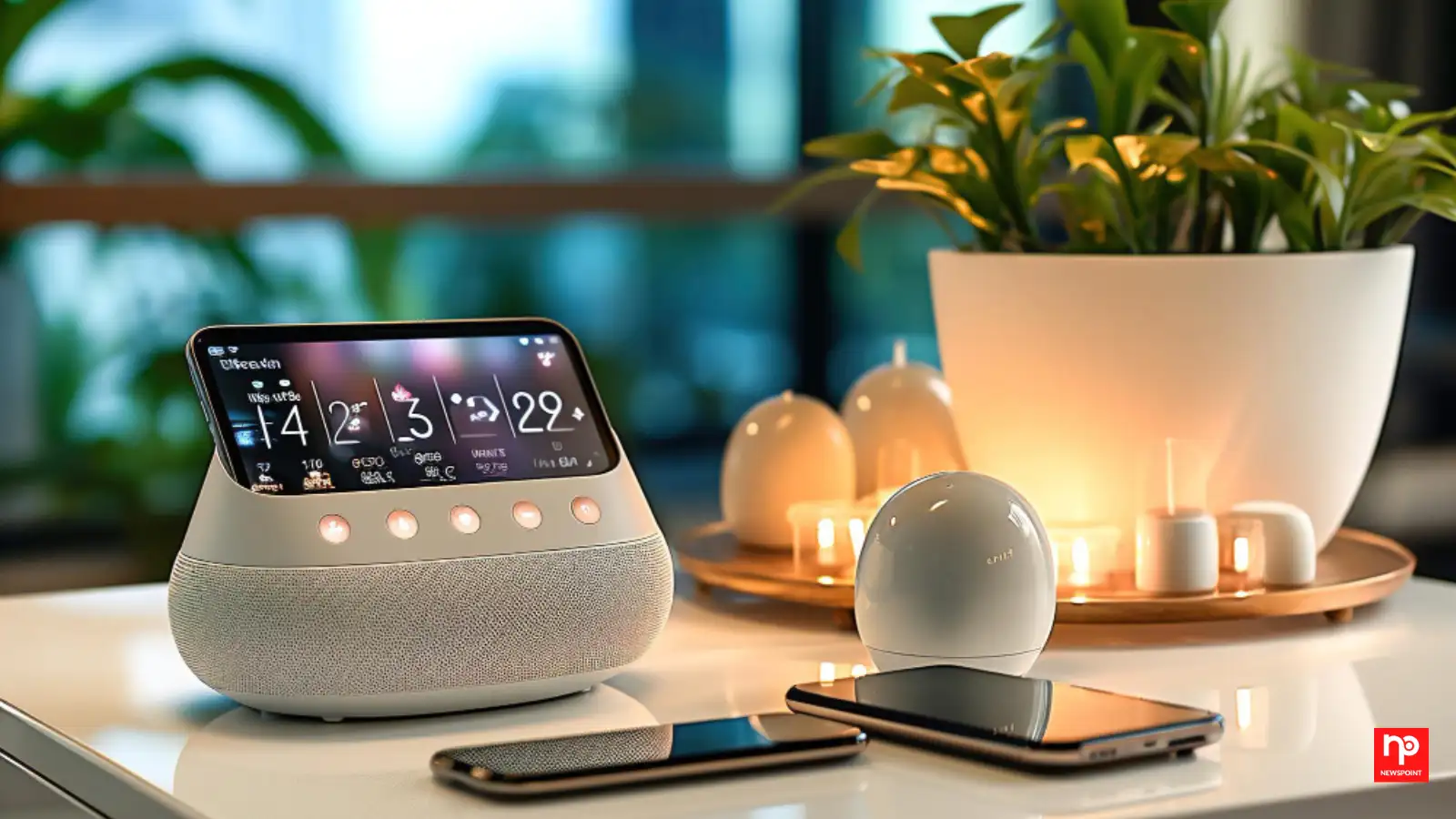
Most gadgets require chargers, cables, adapters, stands, batteries, cases, remotes, or additional storage systems. Over time, these small accessories accumulate quietly across bedrooms, living rooms, kitchens, and workspaces.
Many households now dedicate entire drawers just for cables and unused electronics.
Dining tables became workstations, spare rooms turned into meeting areas, and desks filled with monitors, headphones, webcams, and charging equipment.
Technology expanded beyond entertainment into nearly every part of domestic life.
Smart speakers, WiFi extenders, security cameras, streaming sticks, and home automation systems added more visible hardware throughout living spaces.
The average household now manages far more electronic devices than before.
Small gadgets, lifestyle accessories, and discounted tech products are easier to purchase impulsively than ever. Many items enter homes quickly but remain rarely used long-term.
At the same time, it also introduced new forms of physical and digital clutter that previous generations never experienced. Homes today are not simply living spaces anymore. They increasingly function as charging stations, entertainment hubs, offices, and connected ecosystems all operating simultaneously.
Every Device Needs Accessories
Technology rarely arrives alone.Most gadgets require chargers, cables, adapters, stands, batteries, cases, remotes, or additional storage systems. Over time, these small accessories accumulate quietly across bedrooms, living rooms, kitchens, and workspaces.
Many households now dedicate entire drawers just for cables and unused electronics.
Remote Work Changed Home Layouts
The rise of remote and hybrid work transformed homes into partial office spaces.Dining tables became workstations, spare rooms turned into meeting areas, and desks filled with monitors, headphones, webcams, and charging equipment.
Technology expanded beyond entertainment into nearly every part of domestic life.
Smart Devices Increased Visible Clutter
Wireless technology reduced some cable problems, but connected devices themselves multiplied rapidly.Smart speakers, WiFi extenders, security cameras, streaming sticks, and home automation systems added more visible hardware throughout living spaces.
The average household now manages far more electronic devices than before.
Online Shopping Made Accumulation Easier
E-commerce also contributed to growing household clutter.Small gadgets, lifestyle accessories, and discounted tech products are easier to purchase impulsively than ever. Many items enter homes quickly but remain rarely used long-term.
Convenience Sometimes Creates Complexity
Technology genuinely improved comfort, productivity, and entertainment inside modern homes.At the same time, it also introduced new forms of physical and digital clutter that previous generations never experienced. Homes today are not simply living spaces anymore. They increasingly function as charging stations, entertainment hubs, offices, and connected ecosystems all operating simultaneously.
Next Story