
Why People Trust Blue Verification Ticks So Easily Online

Blue verification ticks were originally introduced to solve a fairly practical problem. Social media platforms needed ways to confirm whether celebrity, journalist, politician, or brand accounts were genuinely authentic.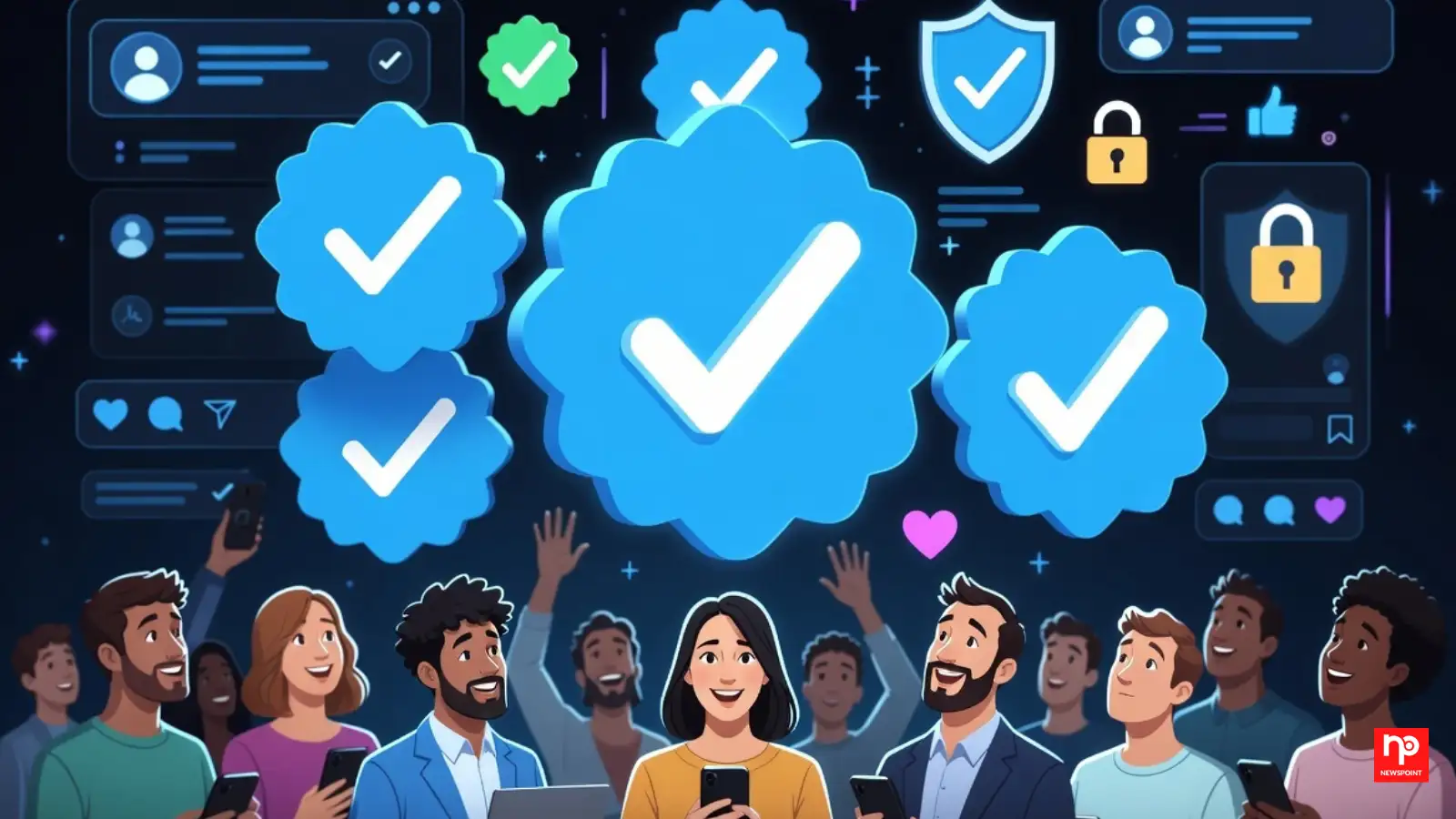
Over time, however, these small symbols evolved into something much bigger.
Today, verification marks strongly influence how people judge credibility online, sometimes more than the actual content itself.
Users began associating verification with influence, authority, and importance. Accounts carrying visible badges often appeared more trustworthy automatically, even when audiences knew little about the individual behind them.
Psychologists describe this as authority bias , where visual indicators subtly shape human judgement.
Fake verified profiles, imitation accounts, and misleading usernames have become common tactics across major platforms. Even temporary confusion can help scammers spread misinformation, financial fraud, or malicious links rapidly.
Some fraudsters deliberately mimic public figures because audiences react faster when they believe information comes from trusted sources.
Previously, many users viewed verification primarily as identity confirmation. Once platforms started selling badges more widely, people became less certain about what the symbols actually represented.
Did verification indicate authenticity, popularity, payment status, or platform approval? The meaning became increasingly blurred.
The internet contains overwhelming amounts of information, making quick trust signals psychologically appealing. Symbols, ratings, follower counts, and verification marks all help people process credibility rapidly without extensive investigation.
The problem is that visual shortcuts are not always reliable indicators of truth.
Simple symbols alone may no longer provide enough reassurance.
The blue tick remains powerful not because it guarantees honesty, but because humans instinctively search for signals telling them who seems trustworthy in crowded digital environments.
Over time, however, these small symbols evolved into something much bigger.
Today, verification marks strongly influence how people judge credibility online, sometimes more than the actual content itself.
Verification Quickly Became Social Status
As social media expanded, blue ticks gradually transformed from identity tools into status symbols.Users began associating verification with influence, authority, and importance. Accounts carrying visible badges often appeared more trustworthy automatically, even when audiences knew little about the individual behind them.
Psychologists describe this as authority bias , where visual indicators subtly shape human judgement.
Scammers Exploit Visual Trust
Cybercriminals understand this behaviour extremely well.Fake verified profiles, imitation accounts, and misleading usernames have become common tactics across major platforms. Even temporary confusion can help scammers spread misinformation, financial fraud, or malicious links rapidly.
Some fraudsters deliberately mimic public figures because audiences react faster when they believe information comes from trusted sources.
Paid Verification Changed Perception
The rise of subscription-based verification systems created new debates online.Previously, many users viewed verification primarily as identity confirmation. Once platforms started selling badges more widely, people became less certain about what the symbols actually represented.
Did verification indicate authenticity, popularity, payment status, or platform approval? The meaning became increasingly blurred.
Humans Naturally Look for Shortcuts
The popularity of verification systems reflects a deeper truth about online behaviour.The internet contains overwhelming amounts of information, making quick trust signals psychologically appealing. Symbols, ratings, follower counts, and verification marks all help people process credibility rapidly without extensive investigation.
The problem is that visual shortcuts are not always reliable indicators of truth.
Digital Trust Is Becoming More Complicated
As artificial intelligence, impersonation tools, and misinformation continue evolving, verifying identity online may become increasingly difficult.Simple symbols alone may no longer provide enough reassurance.
The blue tick remains powerful not because it guarantees honesty, but because humans instinctively search for signals telling them who seems trustworthy in crowded digital environments.
Next Story