
How Modern Screens Became a Major Health Debate

Blue light has become one of the biggest modern wellness buzzwords. From smartphone settings and special glasses to social media advice and sleep tips, people are constantly warned about the dangers of screen exposure.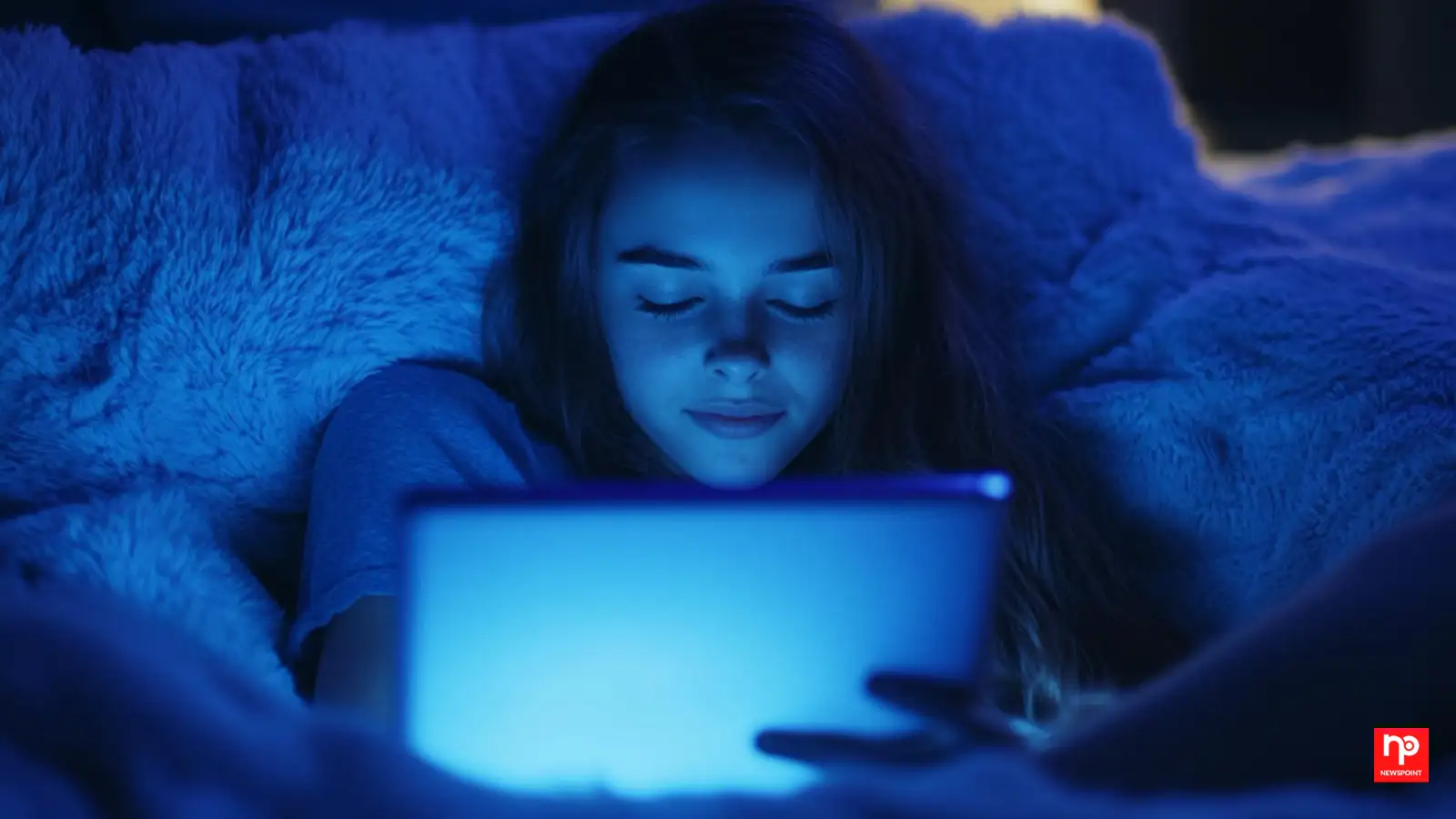
Many now believe blue light from phones and laptops is severely damaging eyesight or permanently harming health. The truth, however, is more complicated than many online claims suggest.
While researchers do believe excessive screen use can affect sleep and eye comfort, some of the most dramatic fears surrounding blue light have been heavily exaggerated.
The human body uses blue light to regulate circadian rhythms, helping control alertness and sleep cycles. Exposure during daytime hours is actually beneficial because it helps maintain healthy biological timing.
The issue begins when people receive large amounts of artificial light late at night, particularly before sleep.
This becomes more noticeable because modern lifestyles already involve late-night screen habits. Many people scroll social media, watch videos, or answer emails right before bed.
The problem is not only blue light itself. Mental stimulation also plays a major role. Stressful news, endless notifications, and emotionally engaging content keep the brain active when it should be winding down.
Humans blink less frequently while concentrating on screens, causing dryness and irritation. Poor posture, brightness settings, and extended close-up viewing contribute as well.
The common twenty-twenty-twenty rule is often recommended by eye specialists. Every twenty minutes, people should look at something around twenty feet away for at least twenty seconds.
Some users genuinely report improved comfort while wearing blue light filtering lenses, particularly in the evening. However, scientific evidence regarding major long-term eye protection remains mixed.
For many people, healthier screen habits matter more than expensive accessories.
This nonstop digital exposure affects sleep, posture, stress levels, concentration, and physical movement far beyond simple light exposure alone.
Blue light itself is not an invisible villain attacking modern society. Instead, it became a symbol of a broader question people are still learning to manage which is how human biology adapts to a permanently connected digital lifestyle.
Many now believe blue light from phones and laptops is severely damaging eyesight or permanently harming health. The truth, however, is more complicated than many online claims suggest.
While researchers do believe excessive screen use can affect sleep and eye comfort, some of the most dramatic fears surrounding blue light have been heavily exaggerated.
What Blue Light Actually Is
Blue light is not something invented by smartphones. It exists naturally in sunlight and has always been part of the human environment. In fact, natural daylight contains far more blue light than most electronic screens.The human body uses blue light to regulate circadian rhythms, helping control alertness and sleep cycles. Exposure during daytime hours is actually beneficial because it helps maintain healthy biological timing.
The issue begins when people receive large amounts of artificial light late at night, particularly before sleep.
Why Screens Affect Sleep More Than Eyesight
Researchers believe the main concern with evening screen use is melatonin suppression. Bright artificial light can confuse the brain into thinking it is still daytime, delaying sleepiness and disrupting sleep quality.This becomes more noticeable because modern lifestyles already involve late-night screen habits. Many people scroll social media, watch videos, or answer emails right before bed.
The problem is not only blue light itself. Mental stimulation also plays a major role. Stressful news, endless notifications, and emotionally engaging content keep the brain active when it should be winding down.
The Truth About Digital Eye Strain
Many people experience tired eyes, headaches, or blurred vision after long screen sessions. However, experts say this is often caused more by reduced blinking and prolonged focus rather than blue light damage itself.Humans blink less frequently while concentrating on screens, causing dryness and irritation. Poor posture, brightness settings, and extended close-up viewing contribute as well.
The common twenty-twenty-twenty rule is often recommended by eye specialists. Every twenty minutes, people should look at something around twenty feet away for at least twenty seconds.
Why Blue Light Glasses Became So Popular
The growing market for blue light glasses reflects how health anxiety and technology intersect in modern culture. As screen time increased dramatically, consumers searched for simple solutions to reduce digital discomfort.Some users genuinely report improved comfort while wearing blue light filtering lenses, particularly in the evening. However, scientific evidence regarding major long-term eye protection remains mixed.
For many people, healthier screen habits matter more than expensive accessories.
The Bigger Issue Behind the Debate
The intense focus on blue light sometimes distracts from a larger reality. Modern life keeps people connected to screens almost constantly. Smartphones are used for work, entertainment, communication, navigation, shopping, and relaxation all within the same day.This nonstop digital exposure affects sleep, posture, stress levels, concentration, and physical movement far beyond simple light exposure alone.
Blue light itself is not an invisible villain attacking modern society. Instead, it became a symbol of a broader question people are still learning to manage which is how human biology adapts to a permanently connected digital lifestyle.
Next Story