
Think Public Wi-Fi Is Safe? Here’s How Hackers Can Steal Your Data and Money in Seconds

Public Wi-Fi safety has become a serious concern in today’s hyper-connected world. From airports and cafés to railway stations and malls, millions of people in India rely on free internet access daily. While it may seem convenient, unsecured networks can quietly expose your personal data, banking details, and even your hard-earned money to cybercriminals. As digital payments and mobile banking continue to grow in 2026, understanding the risks of public Wi-Fi is no longer optional - it’s essential.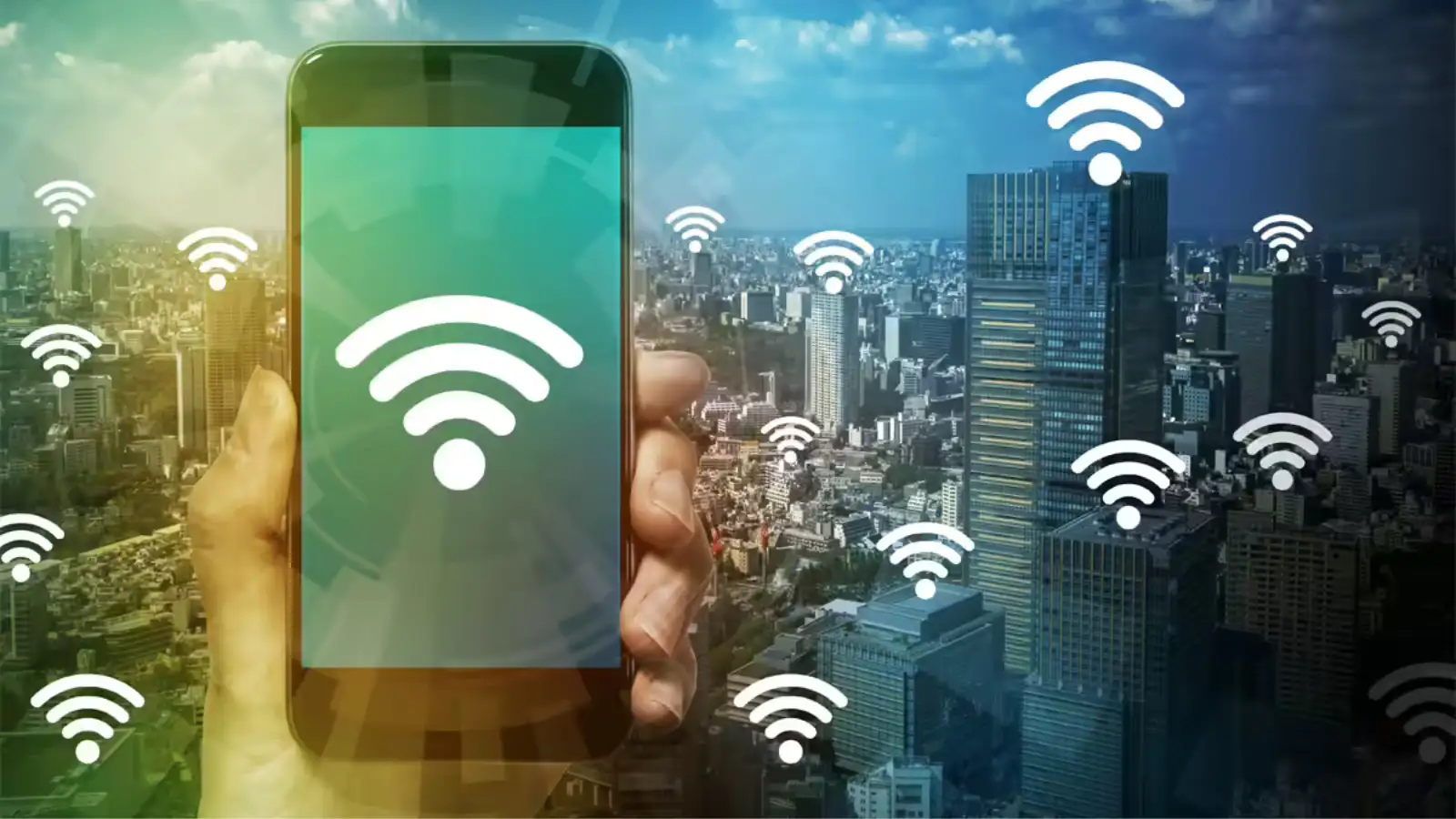
What Really Happens When You Connect to Public Wi-Fi
When you connect to a public Wi-Fi network, your device communicates over a shared system that often lacks proper encryption. This creates an easy entry point for hackers who are connected to the same network.
One of the most common techniques used is a man-in-the-middle attack, where cybercriminals secretly position themselves between you and the website you’re accessing. This allows them to monitor and capture everything you do online.
In simple terms:
…can all be intercepted if the connection is not secure.
Even more dangerous are fake Wi-Fi hotspots that mimic legitimate networks. These traps are designed to trick users into connecting, giving hackers direct access to sensitive information.
Major Public Wi-Fi Dangers You Should Know
Using unsecured networks can lead to several serious risks that go beyond just slow internet speeds.
1. Identity Theft
Hackers can steal your login credentials for social media, emails, and work accounts, potentially misusing your identity.
2. Financial Fraud
Access to banking apps or UPI platforms can result in unauthorised transactions and direct loss of money.
3. Session Hijacking
In this method, attackers take control of your already logged-in accounts—without needing your password again.
4. Malware Attacks
Some public networks can inject malicious software into your device, which continues to track your activity even after you disconnect.
For everyday users, this can mean:
Smart Ways to Stay Safe on Public Wi-Fi
You don’t have to completely stop using public Wi-Fi, but you do need to use it wisely. Here are some simple yet effective precautions:
Avoid Financial Transactions
Never access banking apps or make payments on open networks. It’s one of the easiest ways for hackers to steal your money.
Check for Secure Websites
Always look for “HTTPS” in the website URL. The “S” indicates that the connection is encrypted and safer to use.
Turn Off Auto-Connect
Disable automatic Wi-Fi connections on your phone to prevent it from joining unknown networks without your knowledge.
Use a VPN
A Virtual Private Network (VPN) encrypts your internet traffic, making it much harder for hackers to access your data.
Enable Two-Factor Authentication (2FA)
Adding an extra verification step ensures that even if your password is compromised, your accounts remain protected.
Why Public Wi-Fi Safety Matters More Than Ever
India’s growing dependence on digital payments and mobile banking has made online security a daily necessity. A single unsafe connection can lead to significant financial loss and long-term privacy issues.
With public Wi-Fi available almost everywhere - from metro stations to shopping centres - the risk is constant. However, the good news is that a few mindful habits can drastically reduce your exposure to cyber threats.
Public Wi-Fi is undeniably convenient, but it comes with hidden dangers that many users overlook. By understanding how these networks work and adopting basic safety measures, you can protect your money, personal data, and digital identity.
Staying informed is your first line of defence - because in today’s digital world, a secure connection is just as important as staying connected.
What Really Happens When You Connect to Public Wi-Fi
When you connect to a public Wi-Fi network, your device communicates over a shared system that often lacks proper encryption. This creates an easy entry point for hackers who are connected to the same network.
One of the most common techniques used is a man-in-the-middle attack, where cybercriminals secretly position themselves between you and the website you’re accessing. This allows them to monitor and capture everything you do online.
In simple terms:
- Passwords
- OTPs (One-Time Passwords)
- Emails and messages
…can all be intercepted if the connection is not secure.
Even more dangerous are fake Wi-Fi hotspots that mimic legitimate networks. These traps are designed to trick users into connecting, giving hackers direct access to sensitive information.
Major Public Wi-Fi Dangers You Should Know
Using unsecured networks can lead to several serious risks that go beyond just slow internet speeds.
1. Identity Theft
Hackers can steal your login credentials for social media, emails, and work accounts, potentially misusing your identity. 2. Financial Fraud
Access to banking apps or UPI platforms can result in unauthorised transactions and direct loss of money. 3. Session Hijacking
In this method, attackers take control of your already logged-in accounts—without needing your password again.4. Malware Attacks
Some public networks can inject malicious software into your device, which continues to track your activity even after you disconnect. For everyday users, this can mean:
- Drained bank accounts
- Compromised personal photos and chats
- Misuse of sensitive data
Smart Ways to Stay Safe on Public Wi-Fi
You don’t have to completely stop using public Wi-Fi, but you do need to use it wisely. Here are some simple yet effective precautions:
Avoid Financial Transactions
Never access banking apps or make payments on open networks. It’s one of the easiest ways for hackers to steal your money. Check for Secure Websites
Always look for “HTTPS” in the website URL. The “S” indicates that the connection is encrypted and safer to use. Turn Off Auto-Connect
Disable automatic Wi-Fi connections on your phone to prevent it from joining unknown networks without your knowledge.You may also like
- As Dell CEO Michael Dell to move company's base to Texas from Delaware; gets message from Governor Greg Abbott
- Apex Legends Overclocked Season 29 start time on PlayStation, Xbox and PC
- Bank of America's report to every American 'panicking' about AI taking away jobs: Yes, AI will wipe away jobs but there are …
- Elon Musk vs Sam Altman: From $10 million 'arrangement' hidden from Elon Musk to other 'embarrassing' diary entries of OpenAI President Greg Brockman revealed in court
- Avatar Legends: The Fighting Game new trailer breaks the internet with Zuko's insane gameplay technique and flow combat system
Use a VPN
A Virtual Private Network (VPN) encrypts your internet traffic, making it much harder for hackers to access your data. Enable Two-Factor Authentication (2FA)
Adding an extra verification step ensures that even if your password is compromised, your accounts remain protected.
Why Public Wi-Fi Safety Matters More Than Ever
India’s growing dependence on digital payments and mobile banking has made online security a daily necessity. A single unsafe connection can lead to significant financial loss and long-term privacy issues.
With public Wi-Fi available almost everywhere - from metro stations to shopping centres - the risk is constant. However, the good news is that a few mindful habits can drastically reduce your exposure to cyber threats.
Public Wi-Fi is undeniably convenient, but it comes with hidden dangers that many users overlook. By understanding how these networks work and adopting basic safety measures, you can protect your money, personal data, and digital identity.
Staying informed is your first line of defence - because in today’s digital world, a secure connection is just as important as staying connected.






More from our partners


Loving Newspoint? Download the app now
