
How Smart Home Devices Are Transforming Everyday Life in 2026

Not long ago, the idea of controlling lights, locks and appliances with a simple voice command sounded like science fiction. Today, smart home devices have become a practical part of everyday life for millions of households around the world. From helping people save energy to improving home security and convenience, these connected technologies are changing the way we live. What makes smart home technology particularly appealing is that it often solves ordinary problems. Whether it is remembering to switch off lights, monitoring deliveries while away from home or adjusting room temperatures automatically, smart home devices are designed to make daily tasks simpler and more efficient.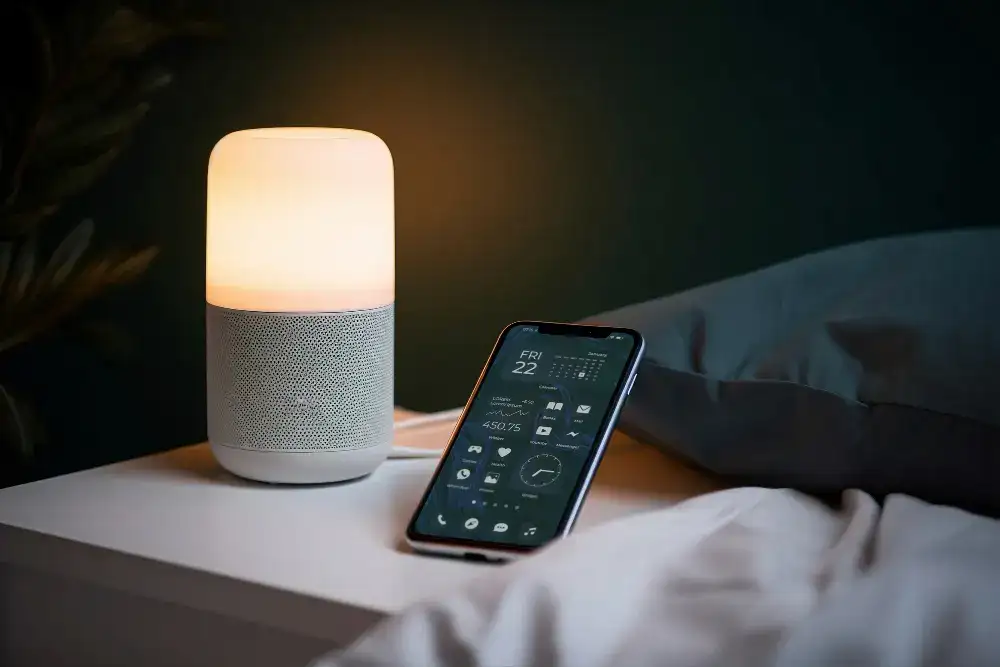
Today, many smart home devices are affordable and easy to install. Most can be controlled through a smartphone app, while others integrate with voice assistants to create a seamless experience. As internet-connected devices become more sophisticated, homeowners are finding new ways to automate everyday tasks.
The global smart home market has grown rapidly because consumers increasingly value convenience, security and energy efficiency. These priorities have become even more important as people spend more time working and managing their lives from home.
A smart speaker can play music, provide weather updates, set reminders and manage connected devices throughout the house. Instead of opening separate applications, users can simply ask the system to switch off lights, lock doors or adjust thermostats.
One lesser-known advantage is accessibility. Voice-controlled technology can make everyday living easier for older adults and people with mobility challenges by reducing the need to physically operate switches and controls.
Imagine arriving home after sunset and having lights automatically switch on as you enter. Similarly, lights can be programmed to turn off when nobody is present, helping reduce electricity consumption.
Many homeowners use smart lighting to create routines. For example, lights can gradually brighten in the morning to mimic sunrise, helping people wake up more naturally. In the evening, warmer light settings can support relaxation before bedtime.
Homeowners can receive alerts whenever motion is detected, view live footage from anywhere and communicate with visitors through their phones. This can be particularly useful when receiving deliveries or checking on a property while travelling.
Smart locks offer additional convenience. Instead of carrying keys, users can unlock doors through mobile apps or temporary digital access codes. Some systems even allow homeowners to monitor who enters and leaves the property.
Interestingly, studies suggest that visible security technology can act as a deterrent, reducing the likelihood of opportunistic crime.
Unlike traditional thermostats, smart models can analyse occupancy patterns and local weather conditions. If nobody is at home, the system can reduce energy use and then restore comfortable temperatures before residents return.
The result is often a noticeable reduction in energy consumption without sacrificing comfort. This combination of convenience and efficiency explains why smart thermostats have become one of the fastest-growing categories in home automation.
Although some features may initially seem unnecessary, many prove useful in daily life. For example, receiving a notification when a washing cycle finishes can help people manage their time more effectively.
Robot vacuum cleaners have also become particularly popular. These devices can automatically clean floors according to scheduled routines, freeing homeowners from a repetitive household chore.
Air quality monitors can track indoor pollution levels and humidity. Smart blinds can regulate natural light throughout the day. Water leak sensors can identify small plumbing problems before they become expensive repairs.
These preventative functions often save money over time while improving overall comfort and wellbeing.
At the same time, concerns about energy efficiency, sustainability and security continue to grow. Smart home technology addresses all three areas by giving homeowners greater control over how their properties operate.
The trend also reflects a broader shift towards personalised living environments where technology adapts to individual habits and preferences rather than requiring people to adjust their behaviour.
The Rise of the Smart Home
The concept of a connected home has been developing for decades. Early home automation systems were expensive and mainly found in luxury properties. Advances in wireless internet, cloud computing and artificial intelligence have dramatically changed that situation.Today, many smart home devices are affordable and easy to install. Most can be controlled through a smartphone app, while others integrate with voice assistants to create a seamless experience. As internet-connected devices become more sophisticated, homeowners are finding new ways to automate everyday tasks.
The global smart home market has grown rapidly because consumers increasingly value convenience, security and energy efficiency. These priorities have become even more important as people spend more time working and managing their lives from home.
Smart Speakers as the Centre of the Connected Home
For many households, smart speakers act as the command centre of a smart home setup. Devices equipped with voice assistants allow users to control multiple gadgets through simple spoken commands.A smart speaker can play music, provide weather updates, set reminders and manage connected devices throughout the house. Instead of opening separate applications, users can simply ask the system to switch off lights, lock doors or adjust thermostats.
One lesser-known advantage is accessibility. Voice-controlled technology can make everyday living easier for older adults and people with mobility challenges by reducing the need to physically operate switches and controls.
Smart Lighting That Saves Energy and Time
Lighting is often one of the first areas people automate. Smart bulbs and lighting systems allow users to control brightness, colour and schedules remotely.Imagine arriving home after sunset and having lights automatically switch on as you enter. Similarly, lights can be programmed to turn off when nobody is present, helping reduce electricity consumption.
Many homeowners use smart lighting to create routines. For example, lights can gradually brighten in the morning to mimic sunrise, helping people wake up more naturally. In the evening, warmer light settings can support relaxation before bedtime.
Smart Security Devices for Greater Peace of Mind
Security remains one of the strongest reasons people invest in smart home devices. Video doorbells, connected cameras and smart locks provide real-time monitoring and control.Homeowners can receive alerts whenever motion is detected, view live footage from anywhere and communicate with visitors through their phones. This can be particularly useful when receiving deliveries or checking on a property while travelling.
Smart locks offer additional convenience. Instead of carrying keys, users can unlock doors through mobile apps or temporary digital access codes. Some systems even allow homeowners to monitor who enters and leaves the property.
Interestingly, studies suggest that visible security technology can act as a deterrent, reducing the likelihood of opportunistic crime.
Smart Thermostats and Energy Efficiency
Energy costs remain a major concern for households worldwide. Smart thermostats help address this issue by learning user preferences and adjusting heating or cooling systems automatically.Unlike traditional thermostats, smart models can analyse occupancy patterns and local weather conditions. If nobody is at home, the system can reduce energy use and then restore comfortable temperatures before residents return.
The result is often a noticeable reduction in energy consumption without sacrificing comfort. This combination of convenience and efficiency explains why smart thermostats have become one of the fastest-growing categories in home automation.
Smart Appliances in Everyday Life
Connected appliances are becoming increasingly common in modern kitchens and laundry rooms. Smart refrigerators can monitor food inventories, while smart washing machines can be controlled remotely.Although some features may initially seem unnecessary, many prove useful in daily life. For example, receiving a notification when a washing cycle finishes can help people manage their time more effectively.
You may also like
- Netflix to add new FIFA World Cup Launch Edition game to its catalogue: Availability date, how to play and more
- White House AI policy adviser Krishnan to leave position: Report
- ASML lines up Elon Musk for virtual conference spotlight
- As Jamie Dimon calls Elon Musk 'Edison of our time', Tesla CEO responds saying 'Many years from now, there will …'
- Quote of the day by Jeff Bezos: “People who are right most of the time are people who change their minds often”
Robot vacuum cleaners have also become particularly popular. These devices can automatically clean floors according to scheduled routines, freeing homeowners from a repetitive household chore.
Lesser-Known Benefits of Smart Home Technology
While convenience often receives the most attention, smart home devices offer several hidden advantages. Automated systems can help reduce wasted energy, improve home maintenance and even support healthier lifestyles.Air quality monitors can track indoor pollution levels and humidity. Smart blinds can regulate natural light throughout the day. Water leak sensors can identify small plumbing problems before they become expensive repairs.
These preventative functions often save money over time while improving overall comfort and wellbeing.
Why Smart Home Devices Matter Today
As technology becomes more integrated into daily life, smart home devices are helping people manage increasingly busy schedules. The ability to automate routine tasks creates more time for work, family and leisure activities.At the same time, concerns about energy efficiency, sustainability and security continue to grow. Smart home technology addresses all three areas by giving homeowners greater control over how their properties operate.
The trend also reflects a broader shift towards personalised living environments where technology adapts to individual habits and preferences rather than requiring people to adjust their behaviour.






More from our partners


Loving Newspoint? Download the app now
