
How Network Congestion Quietly Affects Smartphone Users

Many smartphone users notice a strange pattern almost every evening. Their phone shows full network bars, yet videos buffer slowly, social media takes longer to load, and downloads suddenly feel frustratingly delayed.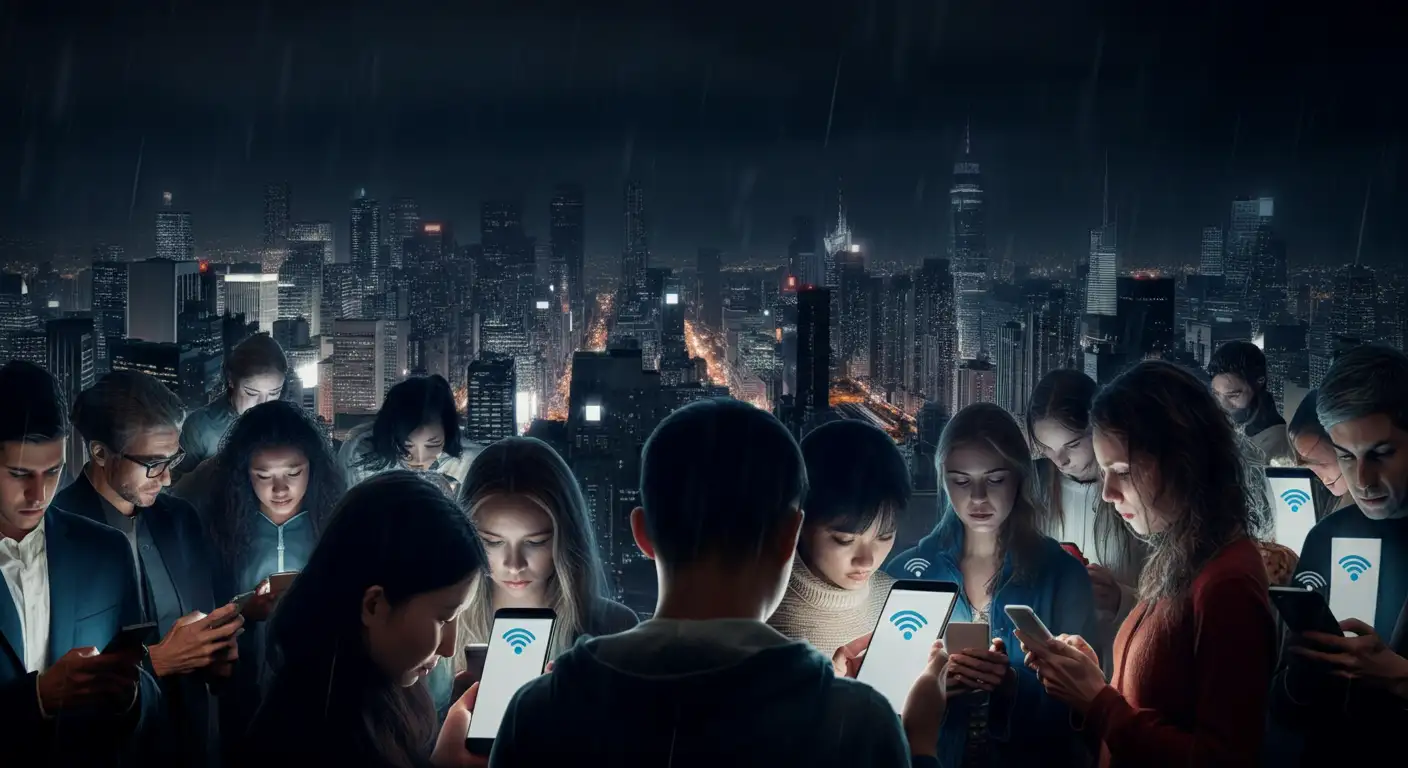
At first, most people assume their telecom provider is having technical issues. In reality, the slowdown often happens because mobile internet networks become overcrowded during specific hours of the day.
Every mobile tower supports thousands of connected devices simultaneously within a particular area. During evenings and late-night hours, far more people start streaming videos, playing online games, attending video calls, and scrolling social media after work or school.
This sudden rise in digital activity creates network congestion , reducing internet speed for everyone connected nearby.
Strong signal strength simply means the phone maintains good connection with the tower. It does not guarantee high-speed internet performance.
If too many people are sharing the same network resources at once, speeds may still drop dramatically despite full coverage appearing on the screen.
Earlier mobile internet activity focused mainly on messaging and light browsing. Today, ultra-high-definition video streaming consumes enormous amounts of bandwidth continuously.
Short-form video apps also increased background internet usage because content loads automatically even when users scroll casually.
Large public events can temporarily overload local mobile infrastructure within minutes.
Telecom companies continuously expand network capacity, but user demand often grows even faster.
However, as devices become more connected and digital consumption keeps rising, mobile networks will continue facing pressure from growing user expectations.
The problem today is not simply getting internet access anymore. It is ensuring millions of people receive fast, stable connections simultaneously in an always-online world.
At first, most people assume their telecom provider is having technical issues. In reality, the slowdown often happens because mobile internet networks become overcrowded during specific hours of the day.
Peak Usage Hours Overload Mobile Networks
Internet speed depends on more than signal strength alone.Every mobile tower supports thousands of connected devices simultaneously within a particular area. During evenings and late-night hours, far more people start streaming videos, playing online games, attending video calls, and scrolling social media after work or school.
This sudden rise in digital activity creates network congestion , reducing internet speed for everyone connected nearby.
Full Signal Does Not Always Mean Fast Internet
Many users misunderstand mobile signal bars completely.Strong signal strength simply means the phone maintains good connection with the tower. It does not guarantee high-speed internet performance.
If too many people are sharing the same network resources at once, speeds may still drop dramatically despite full coverage appearing on the screen.
Video Streaming Changed Internet Behaviour
Streaming platforms transformed internet usage patterns worldwide.Earlier mobile internet activity focused mainly on messaging and light browsing. Today, ultra-high-definition video streaming consumes enormous amounts of bandwidth continuously.
Short-form video apps also increased background internet usage because content loads automatically even when users scroll casually.
Urban Areas Face Bigger Congestion Problems
Internet slowdowns often become worse in crowded cities, apartment complexes, hostels, and stadiums where massive numbers of users rely on nearby towers simultaneously.Large public events can temporarily overload local mobile infrastructure within minutes.
Telecom companies continuously expand network capacity, but user demand often grows even faster.
The Future Depends on Smarter Networks
Technologies such as 5G aim to reduce congestion by improving data handling efficiency and increasing overall network capacity.However, as devices become more connected and digital consumption keeps rising, mobile networks will continue facing pressure from growing user expectations.
The problem today is not simply getting internet access anymore. It is ensuring millions of people receive fast, stable connections simultaneously in an always-online world.
Next Story