
Why People Feel “Phantom Vibrations” From Their Phones

Many smartphone users experienced the same strange moment at least once. They suddenly feel their phone vibrating in a pocket or bag, reach for it immediately, and discover nothing actually happened.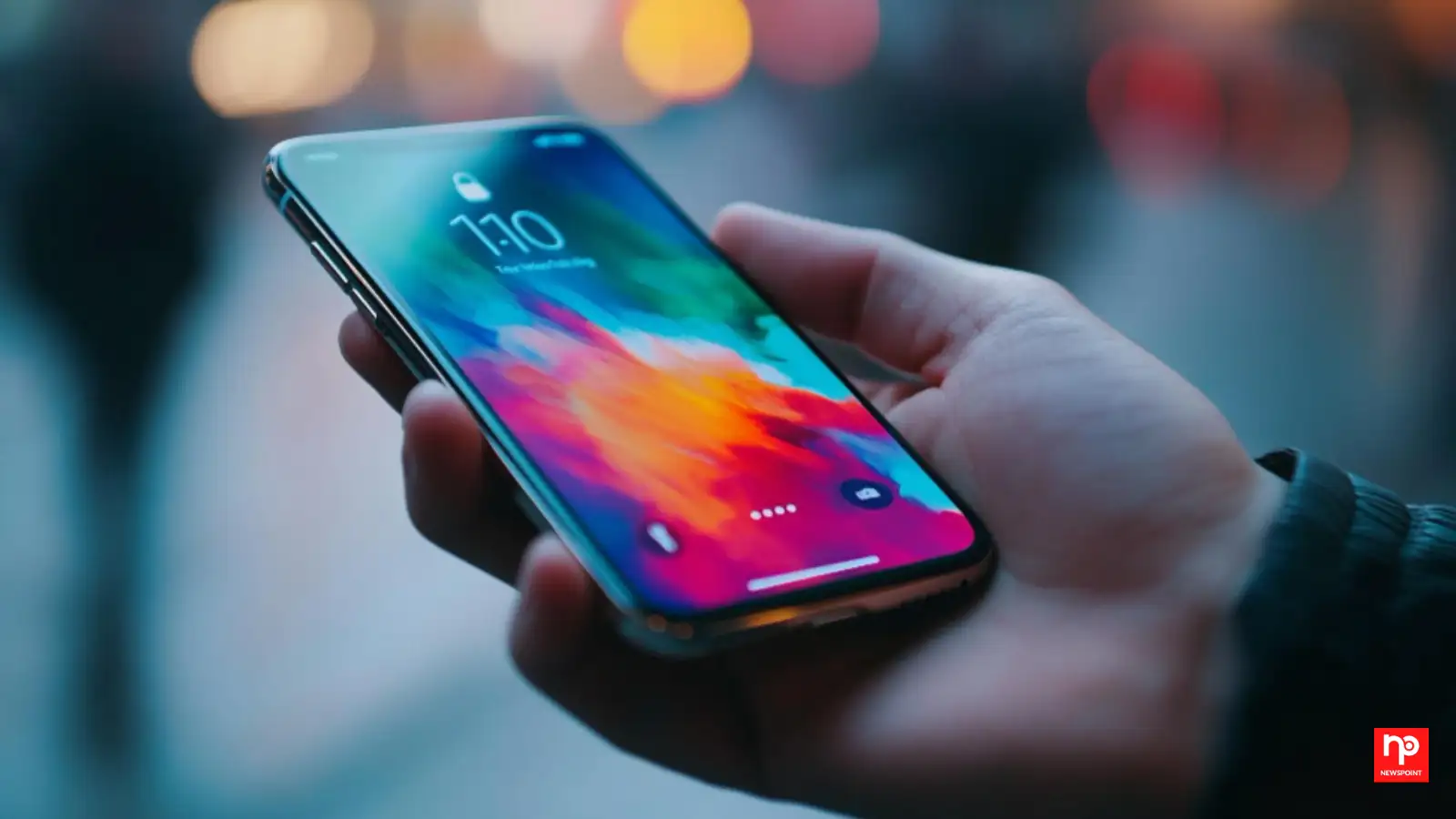
This phenomenon became so common that psychologists gave it a name: phantom vibration syndrome .
Because smartphones constantly interrupt daily life through calls, messages, and app alerts, the brain becomes highly conditioned to anticipate notifications regularly.
Over time, small physical sensations such as fabric movement or muscle twitches may accidentally get interpreted as phone vibrations.
Work messages, social media notifications, delivery updates, and personal chats create continuous anticipation around incoming communication.
This heightened expectation increases sensitivity towards anything resembling a phone alert.
People waiting for important calls or messages often experience stronger notification anticipation psychologically.
Many people experience them occasionally, especially during periods of high smartphone usage .
Reducing notification frequency and taking breaks from constant phone checking may help decrease the effect.
Devices originally designed as communication tools now influence attention patterns, emotional responses, and even physical perception in subtle everyday ways.
The human brain adapts remarkably quickly to technology, sometimes faster than people fully realise.
This phenomenon became so common that psychologists gave it a name: phantom vibration syndrome .
The Brain Learns Notification Patterns
Human brains are extremely good at recognising repeated patterns.Because smartphones constantly interrupt daily life through calls, messages, and app alerts, the brain becomes highly conditioned to anticipate notifications regularly.
Over time, small physical sensations such as fabric movement or muscle twitches may accidentally get interpreted as phone vibrations.
Constant Connectivity Changes Attention
Modern digital culture encourages people to remain mentally available almost all the time.Work messages, social media notifications, delivery updates, and personal chats create continuous anticipation around incoming communication.
This heightened expectation increases sensitivity towards anything resembling a phone alert.
Anxiety and Stress Can Increase It
Researchers found phantom vibrations may become more common during stressful periods or among individuals who rely heavily on smartphones professionally.You may also like
- 9 technology companies that will make their employees millionaires on the way to IPO
- Subnautica 2 developer refuses to budge on the one thing players keep asking for
- Win a 65" Hisense U8Q and PureFlat Eclipse Fridge Freezer
- India's 'Cockroach Janta Party' group goes viral, spotlights Gen Z worries
- The Amazon Kindle Scribe Colorsoft is having an expensive identity crisis
People waiting for important calls or messages often experience stronger notification anticipation psychologically.
It Is Usually Harmless
Despite sounding unusual, phantom vibrations are generally considered harmless behavioural phenomena rather than medical problems.Many people experience them occasionally, especially during periods of high smartphone usage .
Reducing notification frequency and taking breaks from constant phone checking may help decrease the effect.
Smartphones Quietly Reshaped Human Behaviour
Phantom vibrations reveal how deeply mobile technology integrated itself into human psychology within only a few decades.Devices originally designed as communication tools now influence attention patterns, emotional responses, and even physical perception in subtle everyday ways.
The human brain adapts remarkably quickly to technology, sometimes faster than people fully realise.






More from our partners


Loving Newspoint? Download the app now
