
AI Technology Explained: Simple Ways Artificial Intelligence Can Help You Every Day

Artificial intelligence has moved beyond science fiction and become a part of everyday life. From voice assistants on smartphones to personalised recommendations on shopping and streaming platforms, AI technology quietly influences many decisions people make every day. While large companies use artificial intelligence for advanced research and automation, ordinary users are also discovering practical ways to use AI for saving time, improving productivity, and solving everyday problems. The rapid growth of AI is changing how people work, learn, communicate, and manage personal tasks. Understanding these developments can help individuals make smarter choices in an increasingly digital world.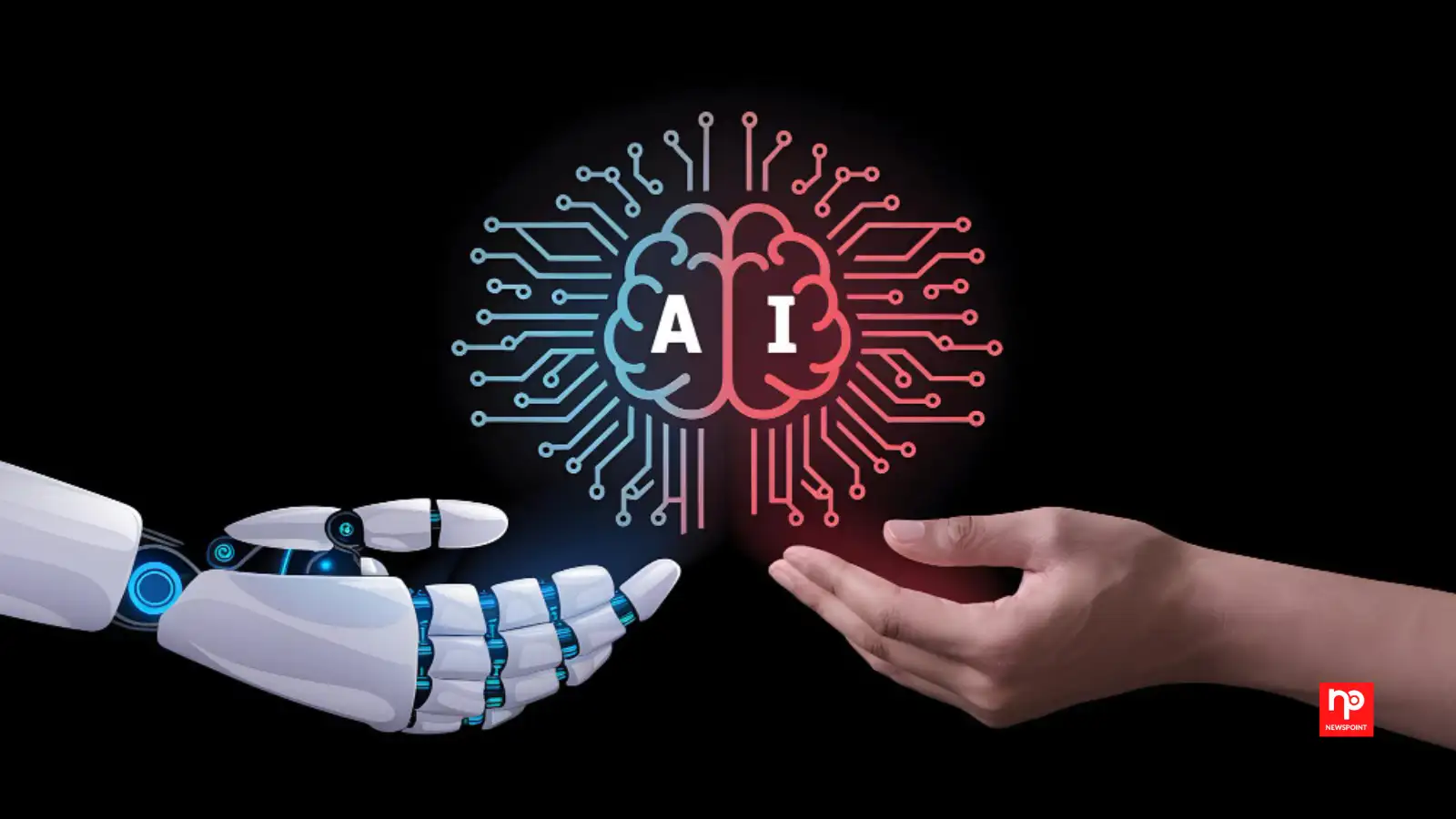
For many years, AI remained mostly limited to research laboratories because computers lacked the processing power and data required for advanced learning. However, improvements in cloud computing, internet connectivity, and machine learning have accelerated its growth.
Today, AI technology powers many services people use without even noticing. Search engines, navigation apps, online banking systems, and digital assistants all rely on artificial intelligence to provide faster and more personalised experiences.
Students can use AI-based learning platforms to understand difficult concepts, practise skills, and receive personalised guidance. Small businesses are also adopting AI for customer support, marketing analysis, and inventory management.
The important change is that AI is no longer only available to large technology companies. Everyday users can access practical AI solutions through smartphones and online platforms.
Although these systems provide convenience, understanding how they work is becoming increasingly important. Users should remain aware of privacy settings and how personal data is collected.
AI can support decision-making, but human judgement remains essential. Technology works best when it assists people rather than completely replacing critical thinking.
Farmers are using AI-based systems to analyse weather patterns and improve crop management. Researchers are applying AI to study complex scientific problems that would take humans much longer to process manually.
These examples show that AI technology is not only about convenience but also about solving larger global challenges.
How Artificial Intelligence Became Part of Everyday Life
Artificial intelligence has a long history, with early research beginning in the mid-20th century when scientists started exploring whether machines could simulate human thinking.For many years, AI remained mostly limited to research laboratories because computers lacked the processing power and data required for advanced learning. However, improvements in cloud computing, internet connectivity, and machine learning have accelerated its growth.
Today, AI technology powers many services people use without even noticing. Search engines, navigation apps, online banking systems, and digital assistants all rely on artificial intelligence to provide faster and more personalised experiences.
AI Tools That Improve Productivity
One of the biggest advantages of AI technology is its ability to automate repetitive tasks. Professionals now use AI-powered tools for organising schedules, summarising information, generating ideas, and improving workflow efficiency.You may also like
- Land donated for a park for $10 30 years ago, sold for $10 million to build a data center; US city's Community services head says he doesn't need approval from any resident because…
- Jeff Bezos told Zohran Mamdani that if we ran Amazon like New York City runs its School system, packages delivery would take weeks; Canadian billionaire Kevin O'Leary joins the debate, says: Bezos should ...
- I wore the Fitbit Air and Whoop band to see which is best
- From Google engineer to AI startup founder: How a podcast with 100,000 YouTube views gave 23-year-old Aashna Doshi the confidence to quit Google
- Apple to White House: Allow us to work with this 'banned' Chinese company as ...
Students can use AI-based learning platforms to understand difficult concepts, practise skills, and receive personalised guidance. Small businesses are also adopting AI for customer support, marketing analysis, and inventory management.
The important change is that AI is no longer only available to large technology companies. Everyday users can access practical AI solutions through smartphones and online platforms.
The Role of AI in Personal Decision-Making
Many people interact with AI when choosing entertainment, shopping products, or planning journeys. Recommendation systems analyse user behaviour to suggest movies, music, products, or travel options.Although these systems provide convenience, understanding how they work is becoming increasingly important. Users should remain aware of privacy settings and how personal data is collected.
AI can support decision-making, but human judgement remains essential. Technology works best when it assists people rather than completely replacing critical thinking.
Lesser-Known Uses of AI Technology
Beyond popular applications, artificial intelligence is being used in areas such as agriculture, healthcare research, climate monitoring, and disaster prediction.Farmers are using AI-based systems to analyse weather patterns and improve crop management. Researchers are applying AI to study complex scientific problems that would take humans much longer to process manually.
These examples show that AI technology is not only about convenience but also about solving larger global challenges.






More from our partners


Loving Newspoint? Download the app now
