
3 Numbers on a Charger and What Each One Means

Pick up any charger and turn it over. Somewhere on the body, usually in small print, are three numbers: a voltage figure marked V, a current figure marked A, and a power figure marked W. Most people glance past them. Understanding what each one means takes about two minutes and changes how you read every charger you own.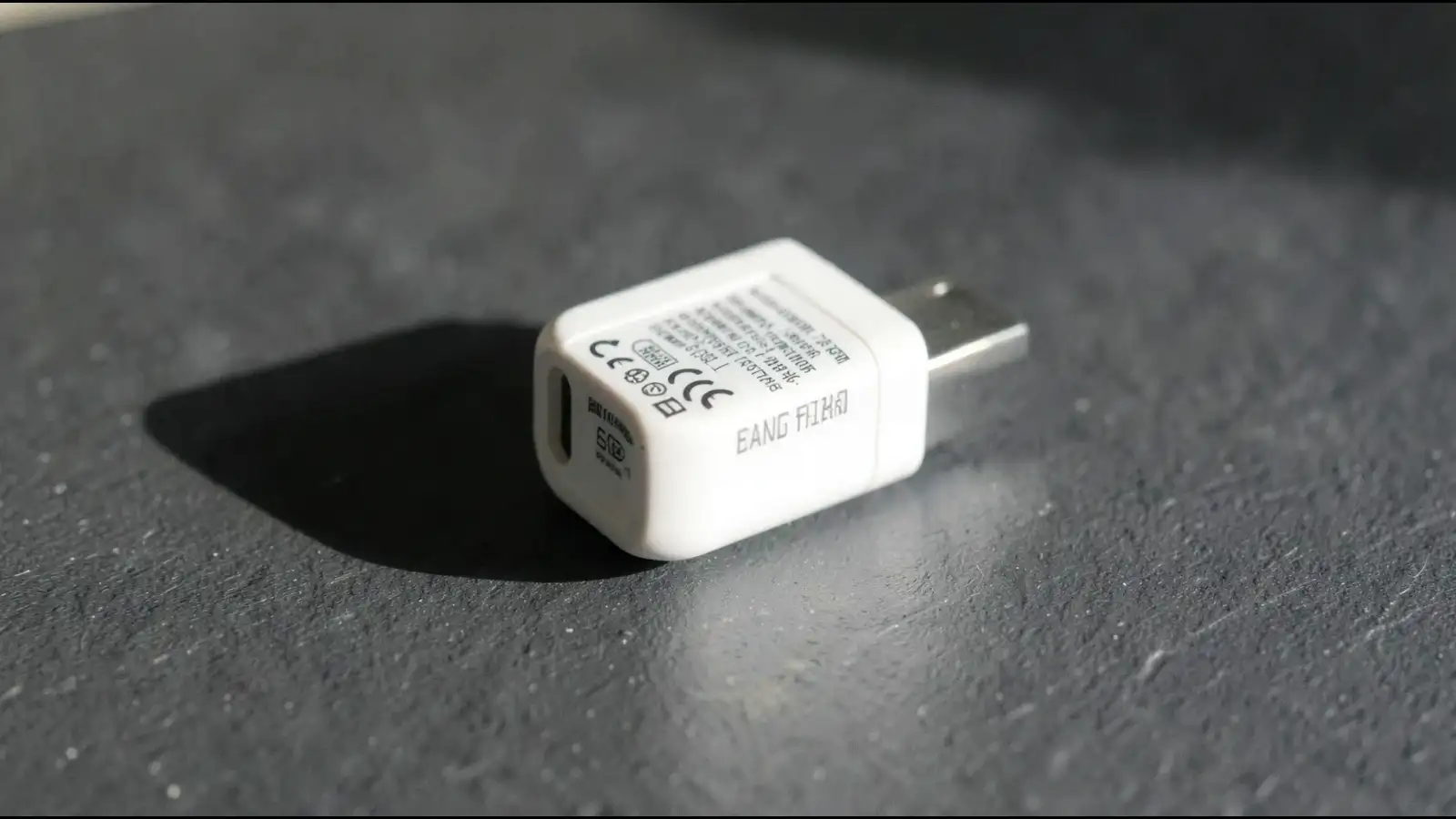
The voltage a charger outputs must match what the device expects. A device's charging controller manages this, but a significant mismatch, especially a charger running higher voltage than the device is designed for, can stress the battery over time. Modern fast chargers negotiate voltage with the device before delivering it, which is why a fast charger plugged into an older phone simply charges at the older phone's slower, lower-voltage rate rather than frying it.
Devices pull only as much current as they are built to handle. Plugging a phone into a 3A charger when the phone's charging circuit is rated for 2A will not damage the phone, it will simply draw 2A and leave the rest unused. The risk runs the other way: using a charger with too low an amp rating for a power-hungry device, like a tablet or a laptop, means the device may charge extremely slowly or, while in use, may not charge at all.
Wattage is what determines how fast a battery fills. When a phone manufacturer says a device supports 65W charging, they mean the phone can accept up to 65 watts of power from a compatible charger. Plug in a 20W charger and it will charge, just more slowly. Plug in an 18W charger into a device that only supports 10W and the device will cap the intake at 10W, the extra capacity sits unused.
This is why the watt rating on a charger is the first number worth checking when you buy a replacement. A charger with lower wattage than your original will always be slower. A charger with higher wattage will not be faster unless your device supports that higher rate, but it will not cause harm either, because the device controls how much power it draws.
Counterfeit and low-quality chargers are a separate problem. A charger labelled 18W that is poorly built may not actually deliver stable voltage at that level. Voltage that fluctuates can stress a battery's charging circuit over many cycles. This is the practical reason to use chargers from the device's manufacturer or from established brands whose components are tested to deliver what the label says.
The three numbers, volts, amps, watts, are not there for engineers. They are a plain description of what the charger does. Once you know how to read them, you can tell in ten seconds whether a charger will work well for a device, whether it will be slow, and whether the one you are about to buy is worth the price.
Volts, The Pressure Behind the Power
Voltage is the electrical pressure that pushes current through a circuit. A charger rated at 5V pushes electricity at a set pressure into your device. Most standard USB chargers operate at 5V. Fast chargers, the kind that can take a phone from empty to half in under thirty minutes, often push higher voltages: 9V, 12V, or 20V, depending on the fast-charging standard the device supports.The voltage a charger outputs must match what the device expects. A device's charging controller manages this, but a significant mismatch, especially a charger running higher voltage than the device is designed for, can stress the battery over time. Modern fast chargers negotiate voltage with the device before delivering it, which is why a fast charger plugged into an older phone simply charges at the older phone's slower, lower-voltage rate rather than frying it.
Amps, The Volume of Flow
If voltage is pressure, amperage is how much electricity flows through at that pressure. A charger marked 2A delivers twice the current of one marked 1A at the same voltage. More current means more electricity moves into the battery in a given time, so a higher-amp charger charges faster, provided the device can accept that rate.Devices pull only as much current as they are built to handle. Plugging a phone into a 3A charger when the phone's charging circuit is rated for 2A will not damage the phone, it will simply draw 2A and leave the rest unused. The risk runs the other way: using a charger with too low an amp rating for a power-hungry device, like a tablet or a laptop, means the device may charge extremely slowly or, while in use, may not charge at all.
You may also like
- Days after Sundar Pichai congratulated Elon Musk's space company, Google picks SpaceX-rival to launch AI computing satellites in 2029
- Microsoft is ending free email for students and alumni starting in 2028: Here's what it means for users who rely on their school accounts
- Samsung co-CEO TM Roh steps down as mobile chief to focus on robotics, Galaxy S26 lead Won-Joon Choi takes over
- Apple is hiring engineers to build its own AI agent to take on Meta's Muse, OpenAI's Dots, and others
- Best Samsung microwave ovens in India: 23 L solo, 23 L grill, 28 L convection and 32 L Slim Fry models
Watts, The Number That Tells You Charging Speed
Watts are the product of volts multiplied by amps, and they are the single most useful number on a charger for everyday decisions. A 5V charger at 2A delivers 10W. A 9V charger at 3A delivers 27W. A 20V charger at 5A delivers 100W.Wattage is what determines how fast a battery fills. When a phone manufacturer says a device supports 65W charging, they mean the phone can accept up to 65 watts of power from a compatible charger. Plug in a 20W charger and it will charge, just more slowly. Plug in an 18W charger into a device that only supports 10W and the device will cap the intake at 10W, the extra capacity sits unused.
This is why the watt rating on a charger is the first number worth checking when you buy a replacement. A charger with lower wattage than your original will always be slower. A charger with higher wattage will not be faster unless your device supports that higher rate, but it will not cause harm either, because the device controls how much power it draws.
Why Two Identical-Looking Chargers Can Behave Differently
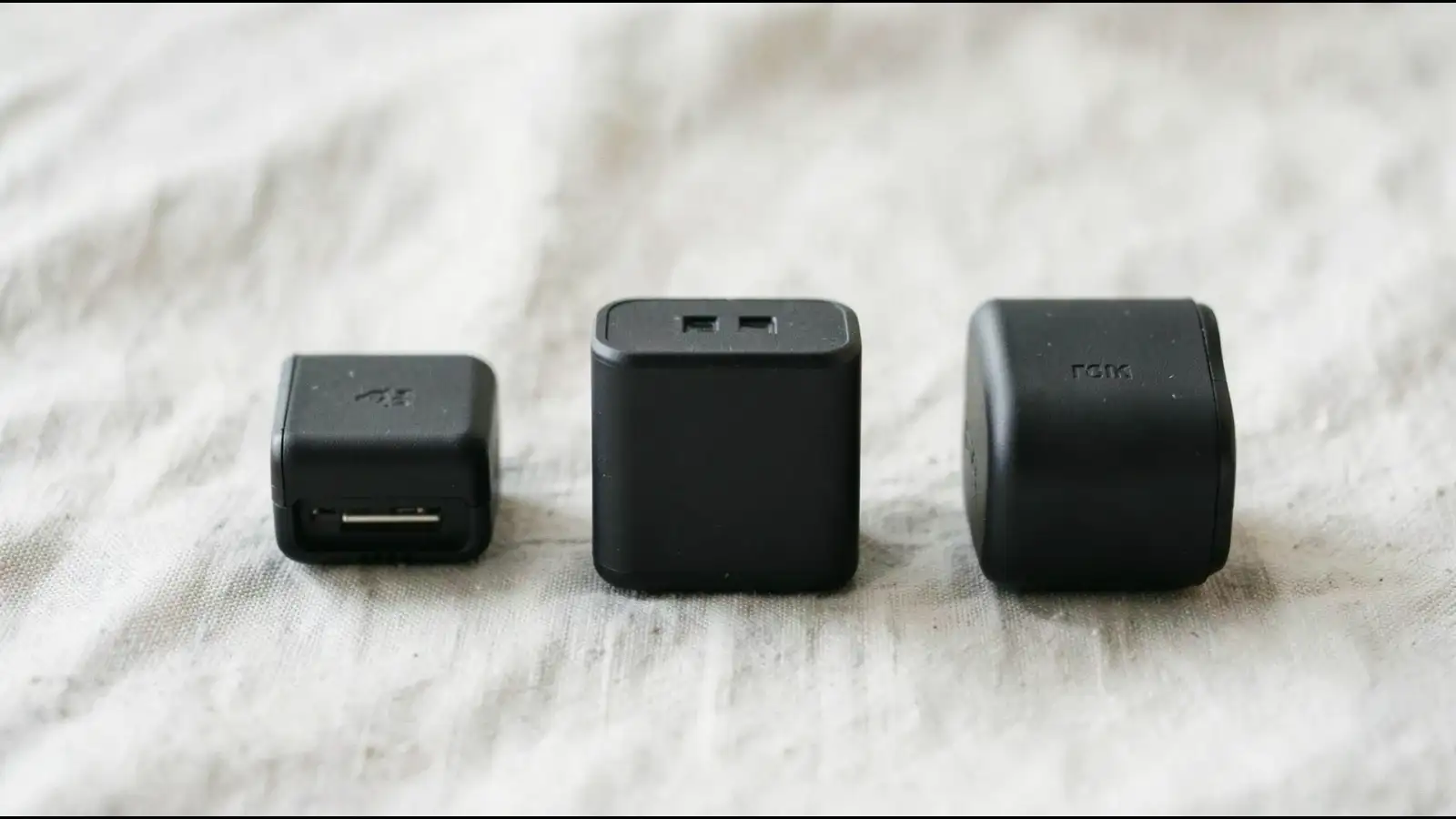
Two white rectangular chargers sitting side by side can have completely different numbers. One might be 5V at 1A, 5W total. The other might be 9V at 2A, 18W total. Plugged into the same phone, the first takes three times as long to charge. The only way to know which is which is to read the label.Counterfeit and low-quality chargers are a separate problem. A charger labelled 18W that is poorly built may not actually deliver stable voltage at that level. Voltage that fluctuates can stress a battery's charging circuit over many cycles. This is the practical reason to use chargers from the device's manufacturer or from established brands whose components are tested to deliver what the label says.
The three numbers, volts, amps, watts, are not there for engineers. They are a plain description of what the charger does. Once you know how to read them, you can tell in ten seconds whether a charger will work well for a device, whether it will be slow, and whether the one you are about to buy is worth the price.






Loving Newspoint? Download the app now
