
How ATMs Around the World Communicate: The Secret Network Behind Cash Machines

An ATM may look like a simple machine that gives you cash after inserting a card, but behind that quick transaction is a complex global technology network. Within seconds, an ATM can verify your identity, check your bank balance, communicate with financial institutions and approve a withdrawal from thousands of kilometres away. This process involves secure communication systems, international payment networks and advanced encryption technology working together. Whether you withdraw money in your home country or use your card while travelling abroad, a hidden digital infrastructure makes the transaction possible. The technology behind ATMs is one of the most important yet least noticed systems supporting modern banking.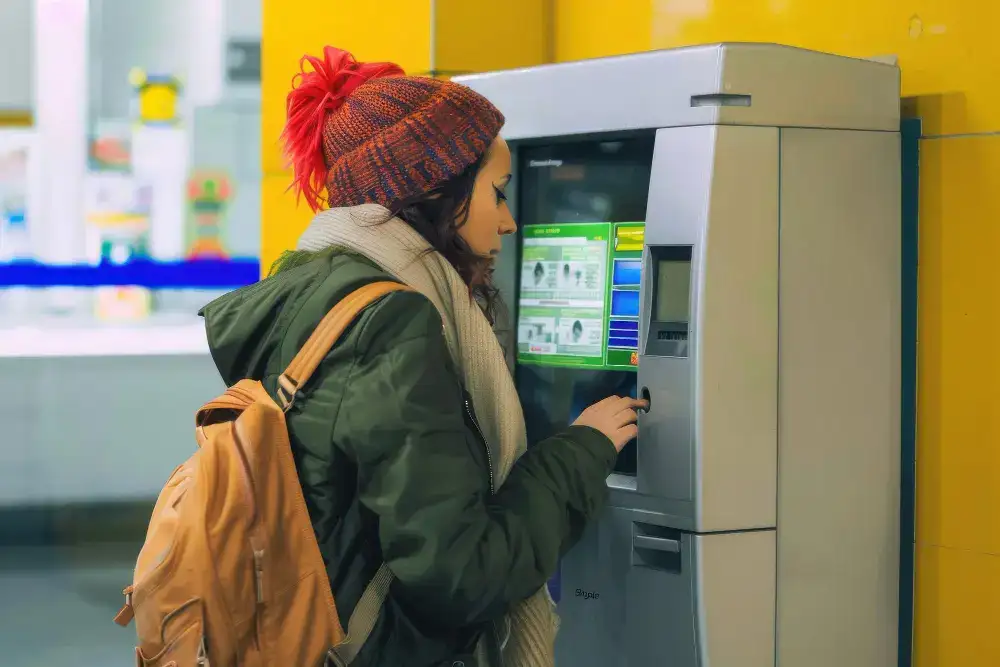
The first widely recognised cash machine was introduced in the late 1960s. Since then, ATMs have evolved from simple cash dispensers into advanced banking terminals capable of handling deposits, account services and digital verification.
Today, millions of ATMs operate worldwide, creating a global network that connects customers with their banks.
The ATM communicates with a payment processor, which then connects with the customer’s bank to verify details such as account status, available funds and transaction approval.
This entire process usually happens within seconds because financial networks are designed to handle millions of transactions simultaneously.
Companies such as Visa and Mastercard operate worldwide networks that allow cards issued in one country to work in another.
When a traveller uses a bank card overseas, these systems help translate and verify the transaction between different financial institutions.
Without these networks, international ATM withdrawals would not be possible.
The PIN entered at an ATM is not simply sent as plain information. It is transformed into secure data that makes it extremely difficult for criminals to intercept.
Banks also use monitoring systems to detect unusual activity and prevent fraud.
Modern ATMs can identify different types of banknotes, detect suspicious activity and monitor their own internal conditions.
Some advanced machines even use biometric verification, such as fingerprint or facial recognition, in certain regions.
They provide access to cash, especially in areas where banking services are limited. They also act as important backup systems during emergencies when people need physical money.
The technology behind ATMs demonstrates how financial systems have become increasingly connected, secure and global.
Artificial intelligence may help detect fraud faster, while biometric systems could reduce dependence on traditional cards and PINs.
Even as banking changes, the basic idea of instant access to money will continue to depend on powerful networks operating quietly in the background.
The Birth of the ATM Changed How People Access Money
Before ATMs became common, customers had to visit bank branches during working hours to withdraw cash. The introduction of automated teller machines transformed banking by allowing people to access money at any time.The first widely recognised cash machine was introduced in the late 1960s. Since then, ATMs have evolved from simple cash dispensers into advanced banking terminals capable of handling deposits, account services and digital verification.
Today, millions of ATMs operate worldwide, creating a global network that connects customers with their banks.
How an ATM Communicates With Your Bank
When a person inserts a card and enters a PIN, the ATM does not directly access the customer’s account. Instead, it sends encrypted information through banking networks.The ATM communicates with a payment processor, which then connects with the customer’s bank to verify details such as account status, available funds and transaction approval.
This entire process usually happens within seconds because financial networks are designed to handle millions of transactions simultaneously.
The Role of Global Payment Networks
International ATM access is possible because of global payment networks that connect banks and financial institutions across countries.Companies such as Visa and Mastercard operate worldwide networks that allow cards issued in one country to work in another.
When a traveller uses a bank card overseas, these systems help translate and verify the transaction between different financial institutions.
Without these networks, international ATM withdrawals would not be possible.
Encryption: The Technology Protecting Your Money
Security is one of the most important parts of ATM technology . Every transaction contains sensitive financial information, so systems use advanced encryption methods to protect data.The PIN entered at an ATM is not simply sent as plain information. It is transformed into secure data that makes it extremely difficult for criminals to intercept.
Banks also use monitoring systems to detect unusual activity and prevent fraud.
The Hidden Hardware Inside Every ATM
An ATM contains much more technology than most people realise. Inside the machine are computers, card readers, cash storage systems, sensors and communication equipment.Modern ATMs can identify different types of banknotes, detect suspicious activity and monitor their own internal conditions.
Some advanced machines even use biometric verification, such as fingerprint or facial recognition, in certain regions.
Why ATM Technology Still Matters in a Digital Age
Although digital payments and mobile banking are growing rapidly, ATMs remain essential for millions of people around the world.They provide access to cash, especially in areas where banking services are limited. They also act as important backup systems during emergencies when people need physical money.
The technology behind ATMs demonstrates how financial systems have become increasingly connected, secure and global.
The Future of ATM Networks
Future ATMs are expected to become more intelligent, with improved security features, contactless technology and better integration with digital banking services.Artificial intelligence may help detect fraud faster, while biometric systems could reduce dependence on traditional cards and PINs.
Even as banking changes, the basic idea of instant access to money will continue to depend on powerful networks operating quietly in the background.
Next Story