
The Hidden Technology Inside Contactless Payment Cards

Buying coffee with a quick tap of a bank card now feels completely normal in many countries. The entire process often takes only seconds, with no need to enter cash amounts manually or even type a PIN for smaller purchases.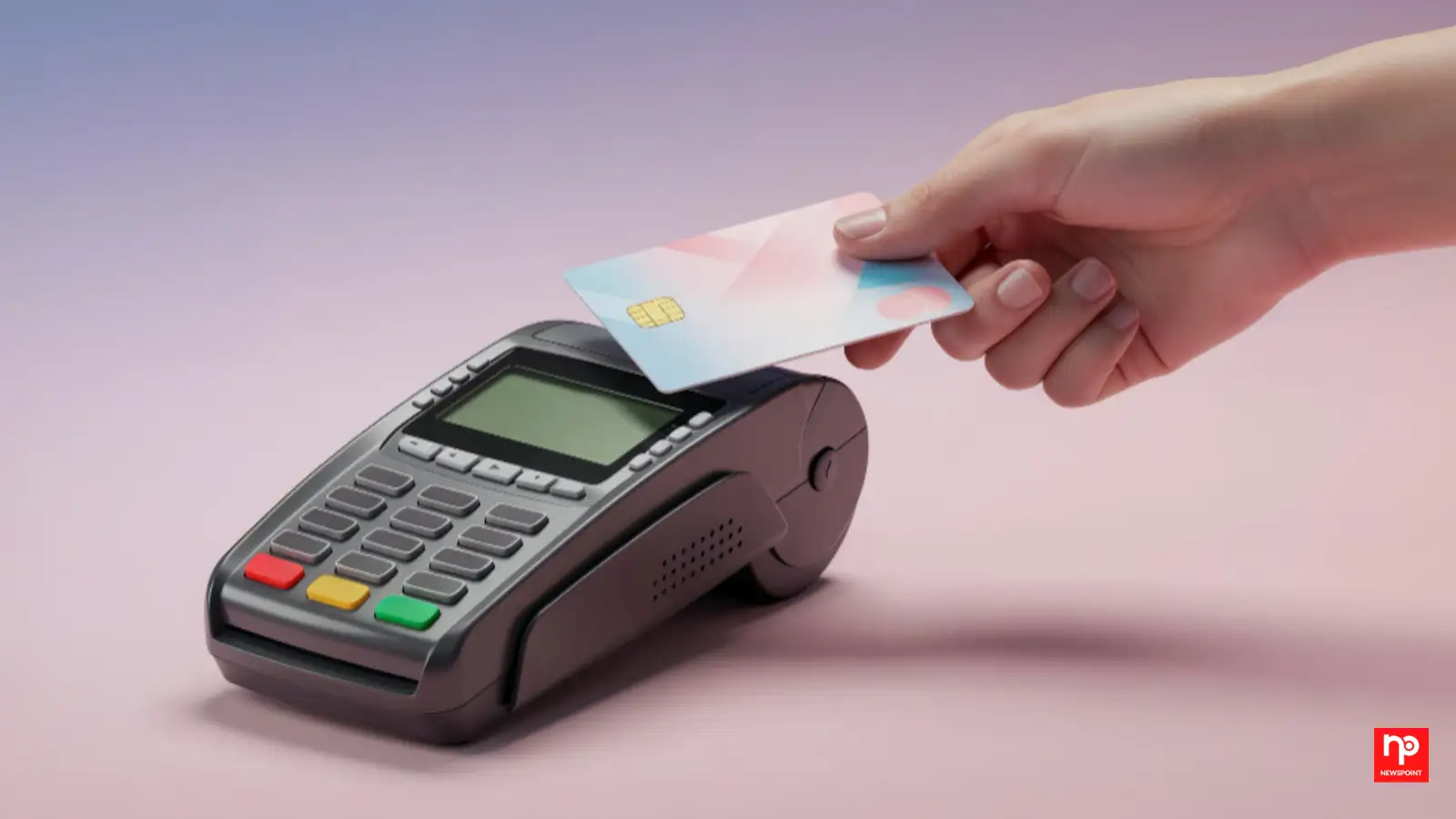
Behind that convenience lies a surprisingly advanced system of wireless communication technology packed inside thin plastic cards.
Inside each card sits a small chip connected to a miniature antenna. When the card moves close to a payment terminal, radio signals transfer encrypted payment information instantly between the two devices.
The range remains intentionally short, usually only a few centimetres, helping reduce accidental transmissions and security risks.
Faster transactions reduce queues in shops, public transport systems, and cafés. Businesses process more customers efficiently, while consumers enjoy smoother experiences with less friction during purchases.
Researchers studying spending behaviour also found that people tend to spend slightly more easily with contactless payments because physical cash feels psychologically more tangible than digital transactions.
Cybersecurity experts debated whether criminals could intercept payment signals secretly using nearby scanning devices.
Banks responded by introducing multiple security protections, including encrypted communication, transaction limits, and fraud monitoring systems designed to detect suspicious activity quickly.
Digital wallets added extra layers of security such as biometric verification, tokenisation, and device authentication.
As a result, many experts now consider mobile payments potentially safer than physical cards in certain situations because actual card numbers may never be transmitted directly during transactions.
What once seemed futuristic quietly became part of ordinary daily behaviour within only a few years.
The success of contactless systems reflects a broader pattern in modern technology. The smoother and more invisible a system becomes, the faster people integrate it into normal life without questioning how complicated it really is underneath.
Behind that convenience lies a surprisingly advanced system of wireless communication technology packed inside thin plastic cards.
Tiny Chips and Radio Signals
Contactless payment cards use a technology called Near Field Communication , commonly known as NFC.Inside each card sits a small chip connected to a miniature antenna. When the card moves close to a payment terminal, radio signals transfer encrypted payment information instantly between the two devices.
The range remains intentionally short, usually only a few centimetres, helping reduce accidental transmissions and security risks.
Speed Changed Consumer Behaviour
One reason contactless payments spread so rapidly is simple convenience.Faster transactions reduce queues in shops, public transport systems, and cafés. Businesses process more customers efficiently, while consumers enjoy smoother experiences with less friction during purchases.
Researchers studying spending behaviour also found that people tend to spend slightly more easily with contactless payments because physical cash feels psychologically more tangible than digital transactions.
Security Concerns Appeared Early
When contactless cards first became popular, many users worried about possible wireless theft or accidental payments.Cybersecurity experts debated whether criminals could intercept payment signals secretly using nearby scanning devices.
Banks responded by introducing multiple security protections, including encrypted communication, transaction limits, and fraud monitoring systems designed to detect suspicious activity quickly.
Smartphones Expanded the System Further
The same NFC technology later powered mobile payment systems through smartphones and smartwatches.Digital wallets added extra layers of security such as biometric verification, tokenisation, and device authentication.
As a result, many experts now consider mobile payments potentially safer than physical cards in certain situations because actual card numbers may never be transmitted directly during transactions.
Invisible Technology Became Everyday Routine
Most users rarely think about the engineering behind contactless payments anymore.What once seemed futuristic quietly became part of ordinary daily behaviour within only a few years.
The success of contactless systems reflects a broader pattern in modern technology. The smoother and more invisible a system becomes, the faster people integrate it into normal life without questioning how complicated it really is underneath.
Next Story