
How UPI Works: The Hidden Technology Behind Instant Digital Payments in India

A small QR code at a local shop, a quick mobile payment to a friend or an instant bill transaction has become a normal part of daily life for millions of Indians. Behind this simple experience is a powerful digital infrastructure known as Unified Payments Interface , or UPI. Launched to make financial transactions faster and easier, UPI has transformed the way people exchange money by reducing dependence on cash and traditional banking processes. Its success is not just a story about convenience but also about technology, innovation and financial inclusion . The science behind UPI combines secure data exchange, banking networks and real-time communication systems to create a payment system that operates within seconds.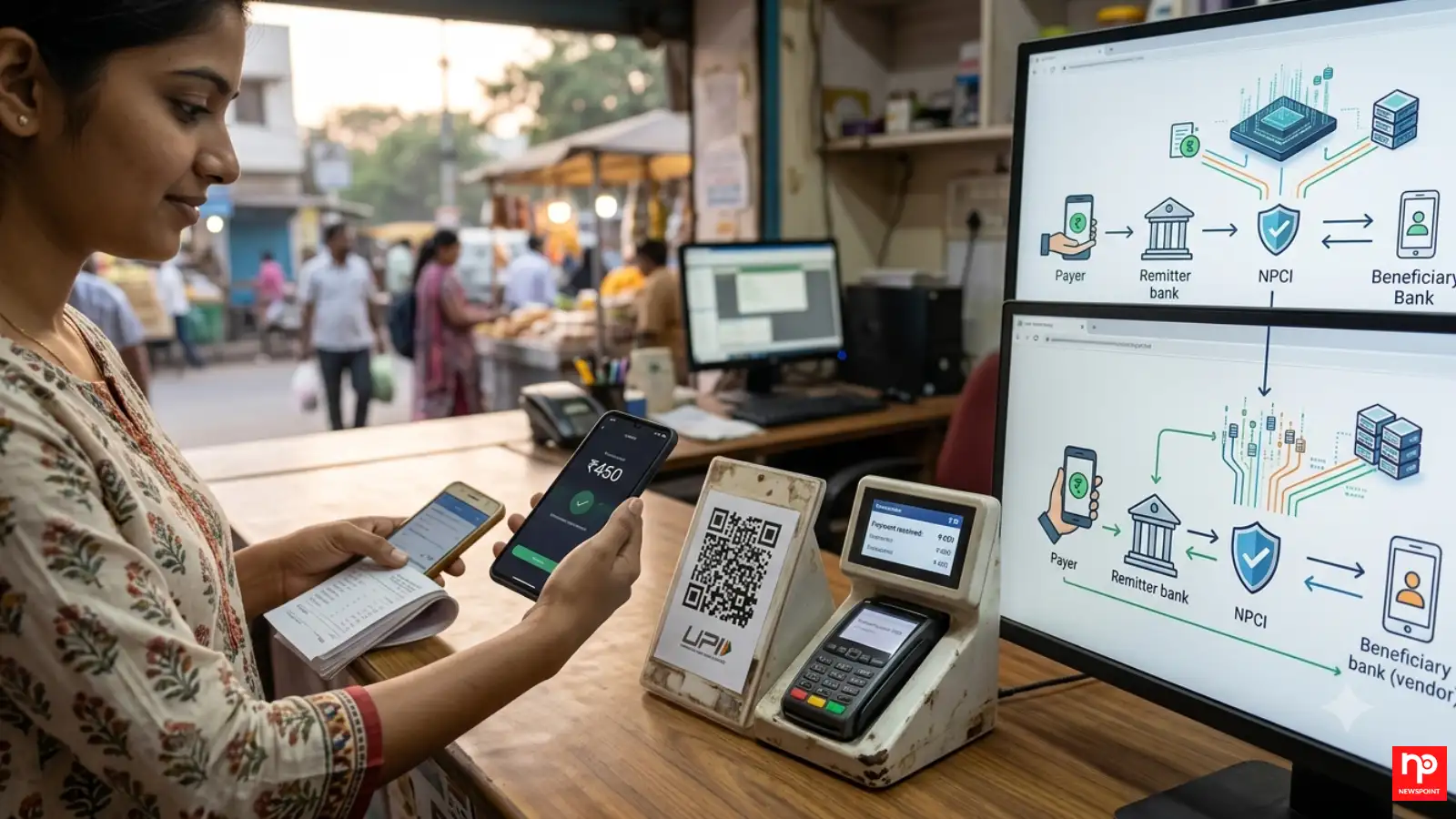
Unlike traditional banking methods that often require account details and multiple steps, UPI allows users to make transactions using a virtual payment address, mobile number or QR code.
The technology works by creating a connection between banks, payment apps and users through a secure digital network. When a user initiates a payment, the request travels through this network, gets verified and completes the transfer almost instantly.
Encryption protects sensitive information by converting data into a secure format that cannot be easily accessed by unauthorised users.
Two-factor authentication adds another layer of protection. Users typically confirm payments using a personal identification number, ensuring that transactions require approval from the account holder.
Behind every payment is a complex system of servers, databases and communication protocols working together in real time.
For customers, UPI provides convenience by allowing instant payments without carrying physical money. It has also made online shopping, bill payments and money transfers easier.
One of the biggest impacts has been financial inclusion. People who may not have had access to traditional banking facilities can participate in the digital economy through smartphones and basic bank accounts.
Another interesting aspect is that UPI was designed to handle a massive number of transactions simultaneously. Its architecture allows it to scale as more people adopt digital payments.
The system has also attracted international interest, with several countries exploring similar digital payment models.
Future developments may also expand digital payment access in rural areas through improved connectivity and easier user interfaces.
As smartphones become more common, digital payment systems are expected to become an even more important part of everyday economic activity.
For a country with a large and diverse population, creating a fast, affordable and accessible payment system is a significant technological achievement.
The success of UPI shows how carefully designed digital infrastructure can solve real-world problems at a massive scale.
Understanding the Technology Behind UPI
Unified Payments Interface is a digital payment system that allows users to transfer money directly between bank accounts through mobile applications. It was developed by the National Payments Corporation of India to simplify electronic payments.Unlike traditional banking methods that often require account details and multiple steps, UPI allows users to make transactions using a virtual payment address, mobile number or QR code.
The technology works by creating a connection between banks, payment apps and users through a secure digital network. When a user initiates a payment, the request travels through this network, gets verified and completes the transfer almost instantly.
The Science of Secure Digital Transactions
Security is one of the most important parts of UPI technology. Every transaction involves multiple verification steps to ensure that money reaches the correct person.Encryption protects sensitive information by converting data into a secure format that cannot be easily accessed by unauthorised users.
Two-factor authentication adds another layer of protection. Users typically confirm payments using a personal identification number, ensuring that transactions require approval from the account holder.
Behind every payment is a complex system of servers, databases and communication protocols working together in real time.
How UPI Changed Everyday Life
UPI has changed financial habits across India. Small businesses, street vendors and local shops that previously depended mainly on cash can now accept digital payments using simple QR codes.For customers, UPI provides convenience by allowing instant payments without carrying physical money. It has also made online shopping, bill payments and money transfers easier.
One of the biggest impacts has been financial inclusion. People who may not have had access to traditional banking facilities can participate in the digital economy through smartphones and basic bank accounts.
Lesser-Known Facts About UPI
One surprising fact about UPI is that it allows different banking applications to communicate with each other through a common platform. This means users do not need to be on the same banking service to send money.Another interesting aspect is that UPI was designed to handle a massive number of transactions simultaneously. Its architecture allows it to scale as more people adopt digital payments.
The system has also attracted international interest, with several countries exploring similar digital payment models.
You may also like
- Google CEO Sundar Pichai on how he 'cheered up' his team when then-Microsoft CEO Steve Ballmer called Chrome browser 'a rounding error'
- Accenture net income rises to $2.39 billion during March-May quarter
- Korean Telecom giant that made White House 'decide' that it could not trust Anthropic to safeguard its latest AI models
- Govt inaugurates Bharat Buildcon 2026 to deepen industry interaction among builders
- Manus backers plan buyback of firm from Meta for $2B
The Role of Technology in UPI’s Future
Emerging technologies such as artificial intelligence and advanced data analysis could further improve digital payments. AI-based systems may help detect unusual transaction patterns and strengthen fraud prevention.Future developments may also expand digital payment access in rural areas through improved connectivity and easier user interfaces.
As smartphones become more common, digital payment systems are expected to become an even more important part of everyday economic activity.
Why UPI Matters Today
UPI represents more than a payment method; it represents a major shift in how people interact with money. It has reduced barriers between consumers, businesses and financial institutions.For a country with a large and diverse population, creating a fast, affordable and accessible payment system is a significant technological achievement.
The success of UPI shows how carefully designed digital infrastructure can solve real-world problems at a massive scale.






More from our partners


Loving Newspoint? Download the app now
