
What Happens to Your Data After You Die? The Digital Legacy Most People Ignore

Most people spend years building a digital life without ever thinking about what happens to it after they die. Photos stored in the cloud, social media profiles, emails, online banking records, subscriptions and even cryptocurrency accounts can remain online long after a person is gone. In an age where much of our identity exists digitally, the question of what happens to your data after you die is becoming increasingly important. As billions of people leave behind growing digital footprints, families, technology companies and lawmakers are all trying to answer a surprisingly complex question: who controls our digital lives when we are no longer here?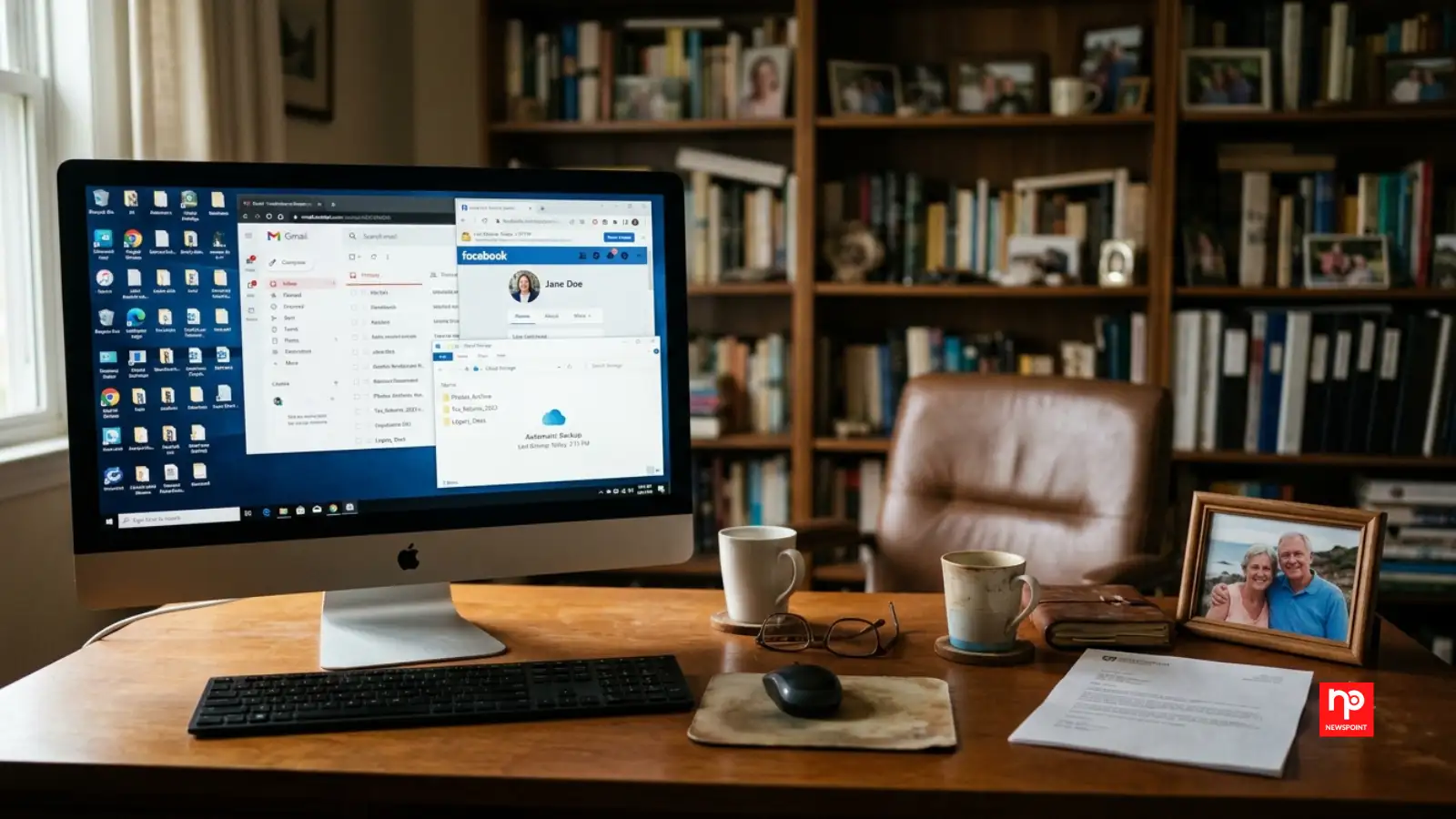
Many people leave behind social media accounts, cloud storage, streaming subscriptions and financial records. Some even have valuable digital assets such as domain names, online businesses or cryptocurrency holdings.
Technology companies often grant users a licence to use their services rather than outright ownership of the content. As a result, relatives may not automatically gain access after someone's death.
Email services tend to be more restrictive because of privacy concerns. Even close family members may struggle to gain access without legal approval.
These accounts create new questions about memory, privacy and history. Future generations may be able to explore detailed records of ordinary lives in a way that was never possible before.
Creating a digital estate plan, maintaining secure password records and specifying digital wishes in legal documents can help ensure a smoother transition.
The Digital Footprint We Leave Behind
Every message, photograph, search query and online purchase contributes to a person's digital footprint. Unlike physical possessions, digital assets often exist across dozens of platforms owned by different companies.Many people leave behind social media accounts, cloud storage, streaming subscriptions and financial records. Some even have valuable digital assets such as domain names, online businesses or cryptocurrency holdings.
Who Owns Your Data After Death ?
The answer varies depending on where you live and which platform holds the information. In many cases, ownership is governed by user agreements rather than traditional inheritance laws.Technology companies often grant users a licence to use their services rather than outright ownership of the content. As a result, relatives may not automatically gain access after someone's death.
What Major Platforms Do
Several major technology companies have introduced digital legacy tools. Some social media services allow accounts to be memorialised, preserving content while preventing normal activity. Others let users appoint trusted contacts who can manage limited aspects of their account.Email services tend to be more restrictive because of privacy concerns. Even close family members may struggle to gain access without legal approval.
The Growing Problem of Digital Graveyards
Researchers estimate that social media platforms could eventually host billions of accounts belonging to deceased users. Some experts describe these collections as digital graveyards.These accounts create new questions about memory, privacy and history. Future generations may be able to explore detailed records of ordinary lives in a way that was never possible before.
Why Digital Legacy Planning Matters
Many families discover too late that important information is locked behind passwords. This can create emotional and financial difficulties.Creating a digital estate plan, maintaining secure password records and specifying digital wishes in legal documents can help ensure a smoother transition.
Next Story