
How Voice Assistants Are Becoming Smarter Every Day

Not long ago, voice assistants could only perform basic tasks like setting alarms, playing music or checking the weather. Today, they are capable of holding more natural conversations, understanding complex requests and even learning user preferences over time. Thanks to rapid advances in artificial intelligence , voice assistants have become much more than digital helpers. They are now being integrated into smartphones, smart homes , cars and workplaces, making everyday life more convenient. As technology continues to evolve, these virtual assistants are becoming faster, more accurate and increasingly capable of understanding how people naturally speak, rather than relying on simple commands.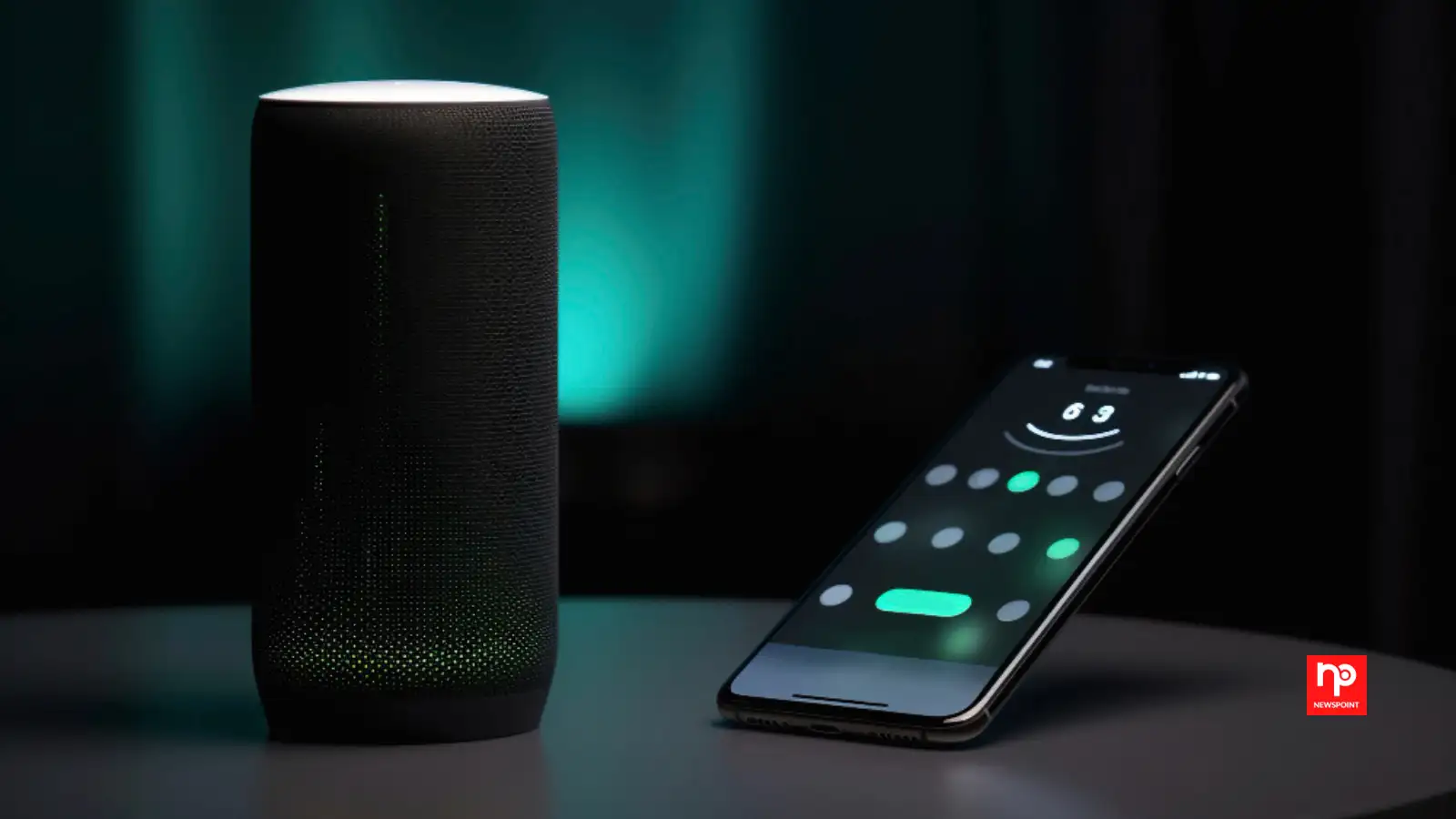
Modern voice assistants work very differently. Powered by advanced artificial intelligence and natural language processing , they can understand conversational language, recognise context and interpret follow-up questions. For example, someone can ask about tomorrow's weather and then simply say, "What about Friday?" without repeating the original question.
This ability to maintain context makes conversations feel much more natural and efficient.
Generative AI has taken this a step further by enabling assistants to create detailed responses instead of selecting from pre-written answers. This allows them to explain concepts, summarise information, draft messages and even assist with creative tasks.
Many voice assistants can also adapt to individual users. Over time, they learn frequently used contacts, favourite music, common routines and preferred settings, making interactions more personalised.
For busy families, this means routines can be automated. Lights can switch off at bedtime, heating can adjust automatically and reminders can be announced throughout the day. Voice assistants are also proving valuable for older adults and people with disabilities by making technology easier to access without using keyboards or touchscreens.
Cars are also becoming increasingly connected. Drivers can make calls, navigate routes, send messages and control entertainment systems using voice commands, helping reduce distractions while driving.
Another interesting development is multilingual understanding. Modern assistants can recognise and switch between multiple languages during a conversation, making them more useful in multilingual households.
Researchers are also developing voice assistants capable of recognising emotional cues in speech. While still evolving, this technology could eventually help assistants respond more appropriately to stress, frustration or urgency.
Businesses are also adopting voice technology for customer service, while healthcare providers are exploring its use for appointment scheduling and patient support. Education, retail and travel are seeing similar changes as conversational AI becomes more capable.
With improvements in privacy controls and artificial intelligence, voice assistants are likely to become trusted digital companions rather than simple tools.
From Simple Commands to Natural Conversations
The first generation of voice assistants relied on fixed commands. Users had to speak clearly and often use exact phrases for the assistant to understand what they wanted. Even slight variations in wording could lead to incorrect responses.Modern voice assistants work very differently. Powered by advanced artificial intelligence and natural language processing , they can understand conversational language, recognise context and interpret follow-up questions. For example, someone can ask about tomorrow's weather and then simply say, "What about Friday?" without repeating the original question.
This ability to maintain context makes conversations feel much more natural and efficient.
Artificial Intelligence Is Driving the Change
One of the biggest reasons voice assistants are becoming smarter is the rapid improvement in artificial intelligence. Machine learning allows these systems to analyse vast amounts of language data, helping them understand different accents, speaking styles and vocabulary.Generative AI has taken this a step further by enabling assistants to create detailed responses instead of selecting from pre-written answers. This allows them to explain concepts, summarise information, draft messages and even assist with creative tasks.
Many voice assistants can also adapt to individual users. Over time, they learn frequently used contacts, favourite music, common routines and preferred settings, making interactions more personalised.
Smarter Homes, Smarter Living
Voice assistants have become central to the growing popularity of smart homes. They can control lighting, thermostats, televisions, security cameras and household appliances with simple spoken instructions.For busy families, this means routines can be automated. Lights can switch off at bedtime, heating can adjust automatically and reminders can be announced throughout the day. Voice assistants are also proving valuable for older adults and people with disabilities by making technology easier to access without using keyboards or touchscreens.
You may also like
- After laying off 8,000 employees this year to spend $130 billion on AI, CEO Mark Zuckeberg says: AI has created a lot of jobs because...
- Xbox console price hike in UK and Europe: 512GB models and 1TB models gets costlier by up to $150
- Lauren Sanchez worked as a teen at New Mexico waterpark; 40 years later, her luxurious ocean trips in spotlight
- Indian airlines see stronger international traffic in June despite fuel headwinds: Report
- Hackers hit Bitcoin's safest hiding place in ongoing attack
Cars are also becoming increasingly connected. Drivers can make calls, navigate routes, send messages and control entertainment systems using voice commands, helping reduce distractions while driving.
Lesser-Known Facts About Voice Assistants
Many people assume voice assistants always send recordings to cloud servers, but newer devices can process certain requests directly on the device itself. This reduces response times and improves privacy.Another interesting development is multilingual understanding. Modern assistants can recognise and switch between multiple languages during a conversation, making them more useful in multilingual households.
Researchers are also developing voice assistants capable of recognising emotional cues in speech. While still evolving, this technology could eventually help assistants respond more appropriately to stress, frustration or urgency.
Why Smarter Voice Assistants Matter Today
As people become increasingly connected through digital devices, voice technology is making everyday tasks simpler and more accessible. Whether booking appointments, controlling home devices, managing calendars or finding information, voice assistants help save time and reduce effort.Businesses are also adopting voice technology for customer service, while healthcare providers are exploring its use for appointment scheduling and patient support. Education, retail and travel are seeing similar changes as conversational AI becomes more capable.
With improvements in privacy controls and artificial intelligence, voice assistants are likely to become trusted digital companions rather than simple tools.






Loving Newspoint? Download the app now
